
Supreme Court allows Texas to require age verification for mobile apps
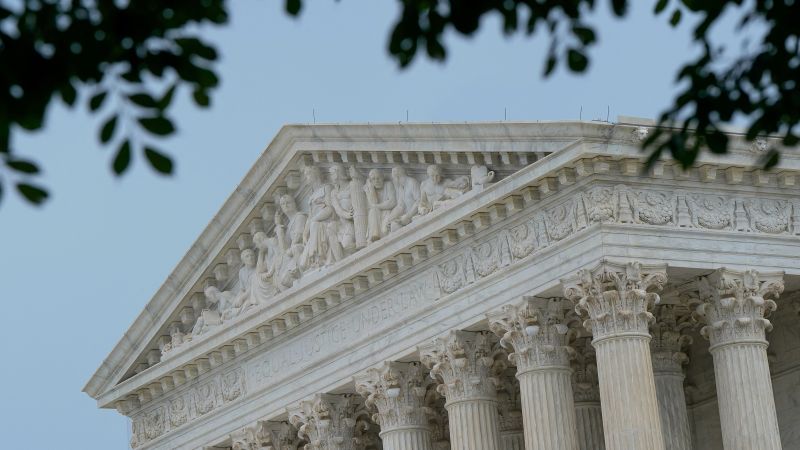
Supreme Court Allows Texas to Enforce Age Verification Requirement in Mobile App Stores
Supreme Court allows Texas to require – The U.S. Supreme Court has granted Texas the authority to implement a new regulation requiring mobile app stores to validate the age of users and secure parental approval for minors installing applications. This law, passed in 2025, aims to protect young users from potential online risks by ensuring their age is confirmed before they access digital content. The decision, reached in an emergency appeal, allows the law to take effect without further judicial intervention, despite objections from technology companies and advocacy groups who argue it infringes on First Amendment rights.
Legal Battle Over Digital Safety
Texas’ legislation, which targets mobile app stores, has sparked significant debate among legal and technological communities. The state contends that age verification is essential for safeguarding minors from inappropriate content, cyberbullying, and predatory online interactions. However, critics, including the Computer & Communications Industry Association (CCIA), have raised concerns that the law could stifle free speech by imposing restrictions on content access for young users. The CCIA, representing tech giants like Apple and Google, emphasized that the measure would effectively limit minors’ exposure to a wide array of material, from classic literature to popular music and educational resources.
“A minor child who downloads a software application from an app store agrees to contractual terms of service, including whether the child’s location will be tracked, whether the child’s privacy will be protected, whether information from the child’s phone can be sold by the developer, and whether the child waives the right to sue,” the state argued in its appeal to the Supreme Court.
The CCIA’s opposition highlights the broader implications of the law, suggesting it could have “profound consequences for the protection of digital speech.” The group warned that age verification mandates might force app developers to create separate platforms for minors, potentially segregating content and reducing the diversity of online expression. This argument aligns with the claim that the law could create barriers to access for young users, even as it seeks to enhance their safety.
A Growing Trend in Digital Regulation
As concerns about youth online safety escalate, several states have proposed similar laws in recent years. Texas’ law is part of a larger movement to tighten digital regulations, particularly in the wake of growing awareness about the risks associated with unmonitored internet use. Advocates argue that age verification is a necessary tool to combat misinformation, explicit content, and other hazards that may affect minors. However, the law’s critics stress that it could also be used to control what young users see and interact with, potentially reshaping the digital landscape for future generations.
While the Supreme Court’s decision in this case is narrow, it sets a precedent for other states considering similar measures. The ruling allows Texas to enforce the law temporarily, as the ongoing litigation continues to unfold. This marks the second time the Supreme Court has permitted Texas to impose age verification requirements, following a 2025 ruling that upheld a law mandating such checks for pornographic websites. That decision, which split the court along ideological lines, was championed by Justice Clarence Thomas, who authored the majority opinion, while the three liberal justices dissented.
Previous Precedents and Legal Challenges
The current case is not the first time the Supreme Court has addressed age verification requirements. Last summer, the court allowed Mississippi to enforce a law that required major social media platforms to confirm user ages and obtain parental consent for minors. In that instance, Justice Brett Kavanaugh, part of the court’s conservative faction, wrote a brief concurrence stating that the Mississippi law might be “likely unconstitutional,” but he noted that the companies challenging it had not sufficiently demonstrated harm from a temporary ruling in favor of the state.
Texas’ law, however, is broader in scope. While Mississippi’s measure focused on social media companies, Texas’ requirement extends to all mobile app stores, encompassing a wider range of digital services. This expansion has intensified the legal debate, with opponents claiming the law could disproportionately impact smaller developers and startups, which may lack the resources to implement complex age verification systems. The law’s critics also point to the potential for censorship, as app stores might prioritize content deemed “safe” for children over more diverse or edgy material.
The Path to Enforcement
The legal journey to enforce Texas’ law began in December 2025 when a federal district court temporarily blocked its implementation. The court cited concerns about the law’s impact on free speech and technological innovation. However, in early June, a three-judge panel of the conservative 5th U.S. Circuit Court of Appeals overturned this block, granting the state the green light to proceed. The Supreme Court’s recent emergency decision solidifies this ruling, allowing Texas to enforce the law as it awaits a full review of the case.
This development underscores the divided nature of the Supreme Court on issues of digital regulation. While the current decision is a victory for Texas, it leaves the broader question of age verification’s constitutionality unresolved. The ruling does not address the core argument about whether the law restricts free speech, but it provides a temporary reprieve for the state’s regulatory approach. The court’s lack of explanation in both the Texas and Mississippi cases has drawn attention to the speed at which it is making decisions on digital rights, with some observers questioning the depth of its analysis in such high-profile cases.
Implications for the Future
The Supreme Court’s endorsement of Texas’ law may influence other states eager to adopt similar measures. With online safety becoming a pressing issue for lawmakers and parents, the decision could pave the way for more stringent regulations across digital platforms. However, the ruling also raises concerns about the potential for overreach, as it allows states to impose age verification requirements without clear constitutional safeguards. Legal experts warn that this could set a precedent where states have greater power to control digital content, potentially reshaping the internet’s accessibility for minors.
In the broader context, Texas’ law reflects a growing tension between protecting young users and preserving digital freedoms. As technology evolves, so too do the challenges of balancing safety with innovation. The Supreme Court’s decision in this case will be closely watched by advocates, industry leaders, and policymakers, who will determine whether it represents a shift in the court’s approach to regulating the digital world or a continuation of its past rulings. For now, the law stands as a symbol of the ongoing debate over how best to safeguard the next generation in an increasingly connected society.
