
Penile implant specialist with history of far-right comments led Hantavirus presser
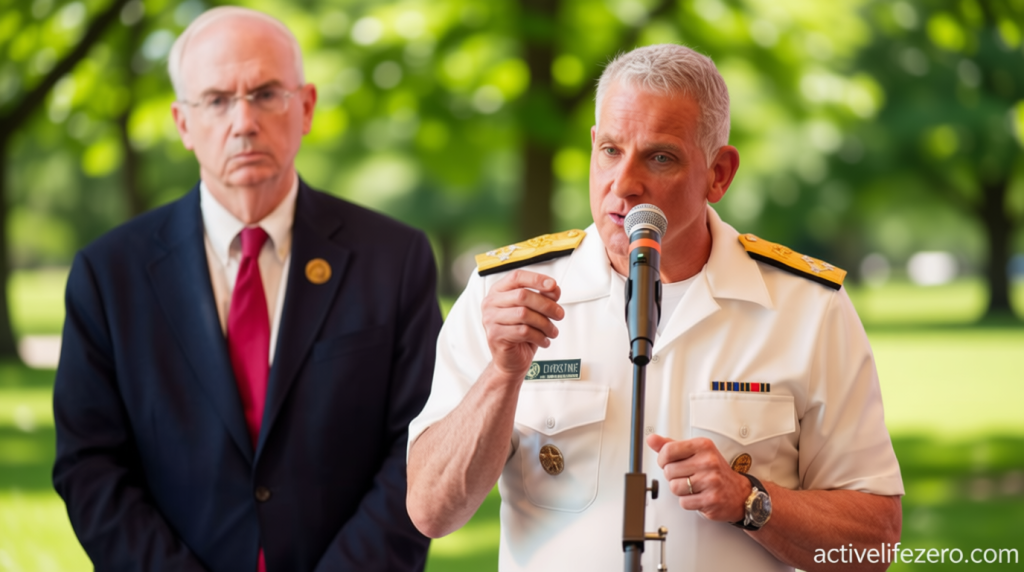
Dr. Brian Christine’s Role in the Trump Administration
Penile implant specialist with history of far – This week, the Trump administration aimed to calm public concerns about a hantavirus outbreak, with Dr. Brian Christine, a key figure in infectious disease policy, addressing reporters in Nebraska. He assured that the government’s response would be “rooted in scientific evidence” and “based on transparency.” However, Christine’s background raises questions about the consistency of his public health approach, as his prior career and political statements suggest a blend of medical expertise and ideological influence.
A Background in Urology
Before joining the federal government last year, Christine was a urologist based in Alabama, known for specializing in penile implants. His transition from private practice to a high-profile public health role marks a shift that has drawn attention. While his medical credentials are well-established, his limited experience in public health policy has become a focal point for critics. A CNN analysis of his past media appearances revealed a pattern of framing public health institutions and pandemic measures as tools to target conservative and religious populations.
Far-Right Commentary and Conspiracy Theories
Christine’s remarks on social platforms and podcasts have often aligned with far-right narratives. He has claimed that the COVID-19 pandemic was part of a larger government plot to control citizens, drawing comparisons between the Biden administration and Nazi Germany. In a 2022 episode of his political podcast, he questioned the legitimacy of the 2020 election, stating, “There are things that are similar that were going on in Germany that are going on in the United States right now.” This sentiment, he argued, reflects a broader threat to conservatives, though he admitted, “There aren’t concentration camps in the United States, but there’s no question that conservatives feel threatened.”
Public Health Policies and Stances
Christine’s leadership in the Trump administration has been marked by his skepticism of pandemic measures. He consistently criticized COVID-19 mandates, asserting that vaccines neither prevented disease nor halted transmission, despite overwhelming data showing their effectiveness in saving millions of lives. His advocacy for reducing government oversight in public health has been echoed in statements about the “Great Reset,” a global initiative he accused of being a worldwide effort led by George Soros to control small businesses during the pandemic.
Senior Leadership and Controversies
Christine’s current position as assistant secretary for health places him in charge of several critical offices, including family planning, women’s health, and the U.S. Public Health Service Commissioned Corps. This corps, comprising over 5,000 uniformed health professionals, plays a vital role in responding to public health emergencies. As its head, Christine also holds the rank of four-star admiral, a title that underscores his authority within the Department of Health and Human Services.
Christine’s tenure has been accompanied by policies that sparked debate. For example, he has led efforts to restrict gender transition care through federal funding cuts, a move that has drawn criticism from advocacy groups. Despite this, his private practice once advertised services for transgender individuals, including treatment for erectile dysfunction. Christine denied these claims, stating that his office focused on “erectile dysfunction in patients who have undergone female-to-male gender reassignment.”
Media Appearances and Content Deletion
CNN’s investigation uncovered additional insights into Christine’s ideological leanings. During his campaign for Alabama state Senate in 2022, he hosted a podcast where he discussed topics ranging from election integrity to the role of global organizations in shaping public policy. Several episodes, including those questioning the 2020 election, were later removed from YouTube and Apple Podcasts but remained accessible on Vimeo. His former campaign website hosted these deleted clips, highlighting his efforts to disseminate far-right perspectives through digital platforms.
Christine’s social media presence further illustrates his alignment with conservative movements. A now-deleted Twitter account showcased posts consistent with MAGA activism, including calls to overturn the 2020 election. In December 2020, he retweeted a message from conservative activist Charlie Kirk, urging Republicans to challenge election results on January 6, 2021. These actions have been cited as evidence of his broader influence on public opinion during the pandemic.
Quotes from Official Sources
“Assistant Secretary for Health Admiral Christine remains focused on executing President Trump and Secretary Kennedy’s agenda to Make America Healthy Again and deliver on President Trump’s Executive Order to protect our children against chemical and surgical mutilation,” said Andrew Nixon, Deputy Assistant Secretary for Media Relations at the US Department of Health and Human Services.
Christine’s role in the administration has been framed as part of a larger mission to promote conservative health policies. However, his past statements and affiliations have cast doubt on the neutrality of his scientific assertions. His YouTube show, “Erection Connection,” which he hosted before entering politics, was a professional series on erectile dysfunction tailored for fellow urologists. While this platform highlighted his medical expertise, it also served as a space for his far-right views, further blending his professional and political identities.
His personal website, which still lists his services, includes references to his work with transgender patients. This detail has fueled discussions about his stance on gender identity and its intersection with public health. Critics argue that his policies, such as limiting gender transition care, reflect a deeper ideological commitment to conservative values, even as he continues to advocate for science-based solutions to current health crises.
Legacy and Public Perception
Christine’s journey from urologist to federal health leader highlights the growing influence of ideological perspectives in public health decision-making. While his medical background provides credibility, his far-right commentary has shaped how his policies are perceived. The contrast between his assurance of “transparency” in the hantavirus presser and his history of promoting conspiracy theories underscores the complexity of his role.
As the administration navigates public health challenges, Christine’s actions and rhetoric remain a subject of scrutiny. His ability to pivot between scientific reassurance and political messaging has made him a prominent figure in the ongoing debate over the balance between evidence-based policy and ideological influence. Whether his approach to public health will be seen as effective or as a reflection of his personal beliefs will likely depend on the long-term impact of his decisions and the public’s perception of their alignment with scientific consensus.
Expanded Context on His Political Stances
Christine’s advocacy for abortion bans without exceptions for rape or incest has positioned him as a staunch conservative within the health sector. This stance, combined with his views on the pandemic, suggests a broader agenda that seeks to limit government intervention in personal and medical choices. His critics argue that such policies may undermine public health initiatives, particularly those targeting vulnerable populations.
The blend of medical expertise and political ideology in Christine’s career raises questions about the role of individual beliefs in shaping national health strategies. As he continues to lead efforts in the Department of Health and Human Services, the intersection of his personal views and official responsibilities will remain a topic of discussion. His story serves as a case study in the increasing politicization of public health and the potential for ideological perspectives to influence scientific discourse.
