
The billionaires telling other billionaires to shut up and pay their taxes
The Billionaires Telling Other Billionaires to Shut Up and Pay Their Taxes
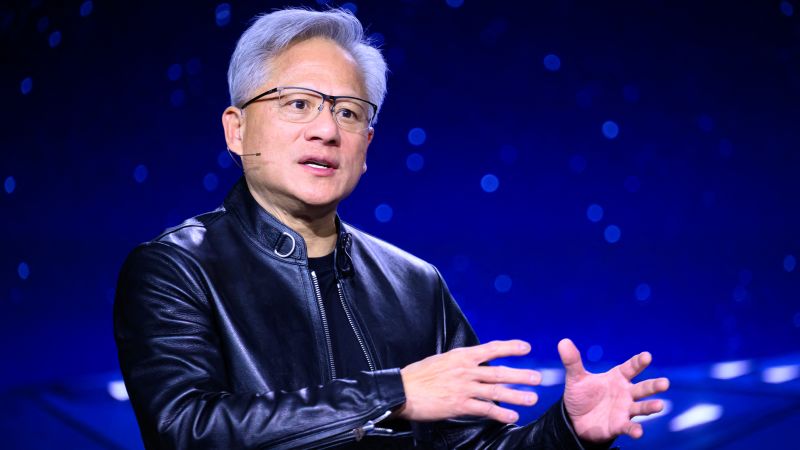
The billionaires telling other billionaires to shut – In the ongoing debate over wealth taxation, a surprising divide has emerged among the superrich. While many billionaires are rallying against proposals to tax the ultra-wealthy, others are urging their peers to embrace the idea. This tension is epitomized by Jensen Huang, the CEO of Nvidia, whose net worth is estimated at $200 billion. When questioned about California’s wealth tax plan, Huang remarked, “It’s fine. I never once thought about it.” His response highlights a faction of billionaires who view paying taxes not as a burden, but as a civic duty.
A Fractured Elite: Some Pay, Others Protest
California’s proposed wealth tax has sparked backlash from prominent figures like Sergey Brin and Peter Thiel, who are investing millions to oppose it. Their efforts underscore a broader sentiment among certain billionaires that such taxes are an affront to their wealth and autonomy. Financier Ken Griffin, for instance, criticized Mayor Zohran Mamdani’s video promoting a “pied-à-terre” tax, using his Manhattan penthouse as a backdrop. Griffin called the initiative “shameful,” suggesting it targets the rich with undue scrutiny. Similarly, Steven Roth, CEO of Vornado, likened calls for wealth taxes to a racial epithem, framing them as a personal attack on the superrich.
Yet, not all billionaires share this view. Huang’s comments reflect a growing segment of the elite who see wealth taxes as a necessary step toward equity. He humorously suggested that the funds could be used to address a specific pothole on Route 101, emphasizing the tangible benefits of taxation. Tom Steyer, a prominent investor and gubernatorial candidate, has also aligned his campaign with the idea of taxing the wealthy. Steyer’s slogan—“I’m the billionaire who wants to tax other billionaires”—captures the spirit of this movement, which argues that the richest should lead by example in contributing to public goods.
Generational and Philosophical Divides
The debate reveals deeper generational and ideological rifts within the billionaire class. Older figures such as Warren Buffett and Bill Gates have long advocated for progressive taxation, viewing it as a moral obligation. They argue that the wealthy, having benefited from societal infrastructure, have a duty to support its maintenance. In contrast, younger, libertarian-leaning tech entrepreneurs often question government’s ability to manage resources effectively. They believe that the superrich can allocate their capital more efficiently than policymakers, preferring to invest in innovation rather than public services.
Historian Kimberly Phillips-Fein of Columbia University notes that this moment feels distinct from past tax controversies. “Griffin, Roth, and others see the tax as a symbol of political antagonism toward the rich,” she explains. For them, being taxed is not just an economic issue but a personal affront, implying that the government is questioning their moral worth. This perception is reinforced by the belief that wealth and income are separate entities, with many billionaires accumulating vast fortunes through assets like stock holdings, which are taxed at lower rates than salaries.
The Mechanics of Wealth Taxation
One of the primary challenges of wealth taxation is its complexity. Unlike income taxes, which are levied on earnings, wealth taxes target the total value of assets, including real estate, art, and business interests. This makes valuation a contentious process, as items like luxury homes or private equity stakes can fluctuate dramatically in worth. Additionally, wealthy individuals have devised strategies to minimize their tax liabilities, such as holding onto stocks to defer capital gains taxes or selling other investments at a loss to offset gains.
Ray Madoff, a law professor at Boston College and author of *The Second Estate: How the Tax Code Made an American Aristocracy*, argues that the current system disproportionately benefits the wealthy. “We’re living in a world that heavily burdens income earners, salaried people paying a lot of taxes. The wealthiest are given a free ride,” he states. Madoff points out that the top 25 billionaires saw their combined wealth rise by $401 billion between 2014 and 2018, yet they paid only 3.4% in federal income taxes. This disparity is further exacerbated by the fact that many mega-billionaire CEOs, such as Mark Zuckerberg and Elon Musk, earn minimal or no salaries, relying instead on equity compensation that is taxed at lower rates.
Political and Economic Implications
Progressive states like Washington, Massachusetts, and California are pushing to raise taxes on the ultra-wealthy to reduce income inequality and curb concentrated power. However, critics warn that these measures could alienate the very individuals who fund public services and infrastructure. “If cities and states keep hiking taxes on the wealthiest, they will kill off the golden geese who fund public services,” argues Madoff. He contends that this argument is a “sleight of hand,” as it ignores the fact that much of the superrich’s wealth comes from sources beyond taxable income.
For instance, many billionaires have received inheritances, which are currently exempt from income taxes under the assumption that they will be covered by the estate tax system. Federal estate tax rates, however, are often lower than income tax rates, allowing the wealthy to pass on their fortunes with minimal impact. This has led to a system where the top 1% of earners—despite their wealth—do not always correspond to the top 1% in income. In fact, only half of the families in the top wealth bracket are also in the top income bracket, highlighting how wealth and income can diverge.
Despite these challenges, the push for wealth taxes continues to gain momentum. Advocates argue that such policies are essential to address systemic inequities and ensure that the benefits of economic growth are shared more broadly. However, the debate is far from settled. While some billionaires see it as a fair contribution, others view it as an unnecessary encroachment on their wealth. This divide reflects not only differing views on taxation but also broader questions about the role of government in the economy and the responsibilities of the wealthy in a modern society.
A Future of Uncertainty
The success of wealth tax proposals hinges on their ability to navigate administrative complexities and political resistance. As states like California and New York implement these measures, they face the risk of losing wealthy residents or businesses that could relocate to lower-tax jurisdictions. Yet, proponents believe the long-term benefits outweigh these risks, arguing that the current tax system has allowed the wealthiest to accumulate disproportionate influence.
With the gap between the rich and the rest of the population widening, the call for wealth taxes is increasingly framed as a fight for fairness. While the wealthy may resist, their eventual acceptance or payment could reshape the landscape of American taxation. As the debate continues, one thing is clear: the billionaire class is not united, and their differing perspectives will likely shape the future of economic policy for years to come.
Ultimately, the question remains: does taxing the wealthy inspire civic responsibility or provoke resentment? The answer may depend on how effectively these policies balance equity with economic incentives. As the movement gains traction, it could set a precedent for a new era of progressive taxation, redefining the relationship between the superrich and the public they influence.
