
Lawsuit aims to stop UFC fight at the White House
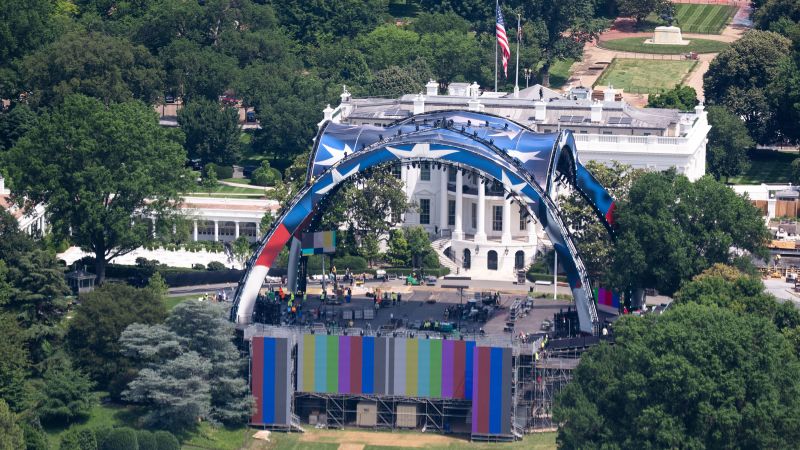
Lawsuit Aims to Halt UFC Fight at White House
Legal Challenge Over Unauthorized Use of National Land
Lawsuit aims to stop UFC fight – Two residents of Virginia have initiated a legal action to prevent the Ultimate Fighting Championship (UFC) from hosting a high-profile event on the White House grounds. The case, filed on Saturday, was brought by the Public Integrity Project on behalf of a Vietnam War veteran and a local civic leader. Their argument centers around the lack of official authorization for the structure constructed on the South Lawn, claiming it does not meet the requirements of congressional approval or environmental review. The plaintiffs contend that the event, which is part of commemorations for the nation’s 250th birthday, transforms the White House into a venue for commercial gain rather than a site for public celebration.
Event’s Financial and Symbolic Allegations
The lawsuit asserts that the UFC’s use of the White House grounds for a private, profit-driven sports match undermines the symbolic value of the space. It highlights how the event serves as a platform for promotional activities, providing UFC President Dana White and President Donald Trump with branding opportunities. The legal team cites a report revealing that Trump invested $50,000 in shares of UFC’s parent company, suggesting a personal financial stake in the event. This, they argue, turns the White House into a tool for private enterprise, with national landmarks becoming mere backdrops for wealth accumulation.
Public Integrity Project founder Brendan Ballou has labeled the event a “profoundly corrupt scheme to enrich the President and his allies.” He emphasized that allowing the fight to proceed would set a precedent, reducing national monuments to mere marketing assets. “If this fight is permitted, it will mark the start of a trend where our heritage sites are repurposed for the benefit of the powerful,” Ballou stated in a news release.
Event Details and Promotional Strategies
The UFC match, scheduled for June 14, coincides with Trump’s 80th birthday and is part of broader festivities marking the United States’ 250th anniversary. A weigh-in for the fighters is set to take place the day prior at the Lincoln Memorial, raising concerns about the commercialization of sacred spaces. Paul Romano, a retired Air Force sergeant and Vietnam veteran, called the Lincoln Memorial’s use for the weigh-in a “desecration,” noting its historical significance as a tribute to those who served in the military. “It’s not just about the fight—it’s about turning a place of honor into a stage for profit,” he said.
The event also features a massive arched lighting grid, nicknamed “The Claw” by the UFC, which will be erected on the White House grounds. This structure, according to the lawsuit, is part of the organization’s effort to create a visually striking environment for the fight. The administration, however, maintains that the event falls under congressional authorization for celebrating the nation’s 250th anniversary. They argue that the UFC’s match aligns with this mandate, even though the plaintiffs dispute the connection.
Public Reaction and Political Context
Public Integrity Project’s legal challenge has sparked debate about the balance between public events and private interests. Critics argue that the event’s timing and scale raise questions about its legitimacy as a national celebration. Instead, they see it as a self-promotion tactic, leveraging the White House’s prestige to boost UFC’s brand. The lawsuit also points to the sale of VIP packages, priced between $1 million and $1.5 million, as evidence of the financial incentives involved.
President Trump has defended the event, calling it “the greatest show on Earth.” His team has emphasized the cultural and celebratory nature of the gathering, framing it as an opportunity to showcase American unity and pride. However, the plaintiffs counter that the event’s primary focus is not on national heritage but on the UFC’s commercial interests and Trump’s personal legacy. They accuse the administration of using the White House as a platform to further their own agenda, rather than serving the public interest.
Environmental and Legal Concerns
The lawsuit also raises environmental issues, pointing out that the structure built on the White House grounds has not undergone the necessary ecological assessments. This omission, the plaintiffs argue, puts the land and surrounding area at risk of damage. Additionally, they claim the event’s organization bypasses standard procedures, which typically require approval from the National Park Service or other federal authorities.
Legal experts note that the case could have broader implications for how national monuments are used. If successful, it might force the government to reassess the allocation of public spaces for private events. The White House has yet to provide a detailed response, but officials have acknowledged the need for the event to align with the 250th anniversary celebrations. The situation has drawn attention to the growing trend of political figures leveraging public institutions for promotional purposes, a practice some view as a distortion of their intended role.
As construction crews finalize the setup of the fight cage, the debate over the event’s purpose intensifies. While Trump and the UFC frame it as a celebration of American culture and independence, opponents argue it represents a new era of political commercialism. The lawsuit seeks to ensure that the White House remains a symbol of national identity, not a venue for profit-driven spectacle. With the June 14 date approaching, the outcome of this legal battle will likely shape how future events utilize public landmarks.
“Using sacred ground for a for-profit event is a betrayal of the values this nation was built on,” said Paul Romano, a retired Air Force sergeant and Vietnam veteran, in a statement. “The White House should be a place for unity, not a backdrop for private gain.”
CNN has contacted the White House and UFC for further clarification on the lawsuit. The updated report includes additional context about the event’s financial and symbolic dimensions, highlighting the growing scrutiny of its legitimacy. Devan Cole, a CNN reporter, contributed to this piece, ensuring the information is presented with clarity and depth.
This case underscores the intersection of politics, commerce, and public space. As the nation marks its 250th birthday, the question remains: does the UFC fight at the White House honor the country’s legacy, or does it exploit it for personal and corporate benefit? The answer may depend on how the legal arguments unfold and the final decision on the event’s authorization.
