
LA mayor candidate Spencer Pratt distances himself from past 9/11 conspiracy comments, says he was ‘young and naive’
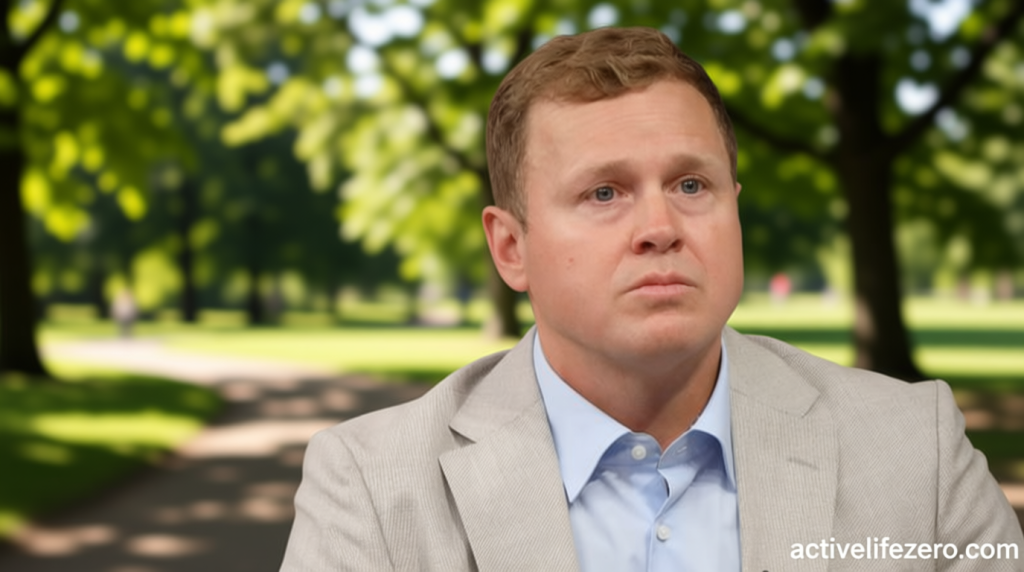
LA Mayor Candidate Spencer Pratt Shifts Stance on 9/11 Conspiracy Theories
LA mayor candidate Spencer Pratt distances – Spencer Pratt, a prominent figure in the Los Angeles mayoral race, has publicly distanced himself from earlier remarks he made as a reality TV personality. These comments, which linked the September 11 attacks to an internal operation, were made years before he became a notable insurgent candidate. At the time, Pratt was deeply engaged with the work of conspiracy theorist Alex Jones, whose theories about the events of 9/11 have gained a significant following. In 2009, Pratt expressed strong support for Jones’ claim that the attacks were entirely orchestrated, even going so far as to recommend his audience watch a film that had already been widely criticized for its lack of evidence.
Early Engagement with Alex Jones
During a period of intense public activity in 2009, Pratt took to social media platforms, including X, to champion the idea that the September 11 attacks were not a result of external forces but a deliberate plan. He emphasized the notion that anyone who viewed the documentary “Loose Change” without recognizing its core argument was “blind to the truth.” This stance aligned him with the 9/11 Truth movement, which posits that the attacks were an inside job. Pratt also shared his thoughts during an interview on Jones’ radio show, where the topic of conspiracy theories surrounding the collapse of World Trade Center Building 7 was discussed.
“Not from my research, but from your research, it 100% is,” Pratt said during the interview, highlighting his reliance on Jones’ findings. He further noted, “I can’t even believe that it took me seeing your film to know about building seven,” underscoring the influence of Jones’ work on his early beliefs.
Pratt and his spouse, Heidi Montag, had previously credited Jones for sparking their “awakening” through his documentaries. The pair discussed a range of topics, from the “New World Order” to fluoride conspiracies and the concept of microchips as the biblical “Mark of the Beast.” This alignment with Jones’ narrative was part of a broader engagement with conspiracy theories that marked Pratt’s early public persona.
A New Perspective After Personal Tragedy
In a recent interview with CNN’s Jake Tapper, Pratt acknowledged that his views have evolved significantly over the past two decades. This change in perspective came after a personal hardship: the destruction of his home in the Palisades fire in January 2025. He described the event as a turning point, stating, “It’s actually worse than a conspiracy. It’s that we have people in charge who make mistakes that get people killed.”
“The person I am now is very different than the person before January 7th,” he said, referencing the date of the fire. Pratt emphasized that while his earlier statements reflected a time of youthful idealism, his current understanding focuses on government negligence rather than coordinated plots.
Pratt admitted to carrying “20 years of regret” for his past comments, though he clarified that they do not define his present self. He argued that major tragedies, including the Palisades fire, are often the result of systemic failures rather than deliberate conspiracies. “I believe a lot of people failed to allow the al Qaeda terrorists to get in,” he explained, suggesting that government missteps played a critical role in the events.
Unconventional Campaign and Political Strategy
Pratt’s recent surge in popularity for the Los Angeles mayor’s race has been fueled by his unique approach to politics, which includes his personal experiences and public rhetoric. His campaign has drawn attention due to his outspoken nature and the way he frames issues, such as the city’s response to the Palisades fire. While registered as a Republican, Pratt has downplayed his party affiliation, instead courting support from right-wing media outlets. This strategy has positioned him as a candidate who bridges ideological gaps, though it has also sparked debate about his consistency.
The California primary, set for June 2, is a nonpartisan jungle primary, meaning the top two candidates will advance to the November general election. This structure allows for a dynamic race, and Pratt’s campaign is gaining momentum despite its unconventional tone. His remarks on 9/11, however, have become a focal point in discussions about his credibility and evolving worldview.
Additional Controversies and Commentary
Pratt’s engagement with conspiracy theories is not limited to 9/11. In 2010, following the cancellation of his reality show “The Hills,” he likened the event to a “9/11” moment for his career. While this analogy was later called “thoughtless” by himself, it highlights his tendency to draw parallels between personal setbacks and larger historical events.
“It was mind boggling that people still believed in global warming,” Pratt remarked during a 2009 appearance, further showcasing his early skepticism toward mainstream narratives. This sentiment was echoed by Montag, who stated she would rather “die than accept a government microchip implant,” despite the fact that such implants are not currently in widespread use.
Pratt and Montag returned to Jones’ platform in July 2017 for an in-person interview. At the time, they were on vacation in Hawaii, and the discussion centered on their decision to step back from reality TV. Jones, however, used the occasion to remind the couple of his earlier warnings about the risks of appearing on his show. “You definitely warned us and I was like, ‘We’re fine, we’re fine,’ ” Pratt recalled, using air quotes around “died” when describing the fate of individuals in their entourage.
“There’s a lot of death in TV,” Jones interjected, as Pratt added, “Our lawyer’s not – Heidi’s plastic surgeon no longer alive.” This exchange underscored the enduring influence of Jones’ ideas on Pratt’s thinking, even as the latter has since reevaluated his initial commitments.
While Pratt has shifted his stance on 9/11, the controversy surrounding his past statements remains relevant. Critics argue that his early enthusiasm for conspiracy theories reflects a broader pattern of questioning established truths. However, Pratt maintains that his current views are grounded in personal experience and a more nuanced understanding of governance. As the LA mayoral race intensifies, his ability to reconcile past and present positions will likely play a key role in shaping public perception of his candidacy.
Pratt’s journey from a reality TV star to a political contender illustrates the complexities of public opinion and how personal events can alter perspectives. His remarks on 9/11, once a cornerstone of his public image, now serve as a reminder of his growth. Whether this evolution will translate into broader support remains to be seen, but the shift highlights the fluid nature of belief and the impact of lived experiences on political discourse.
