
Italian foreign minister cancels trip to US over Trump’s comments about Meloni
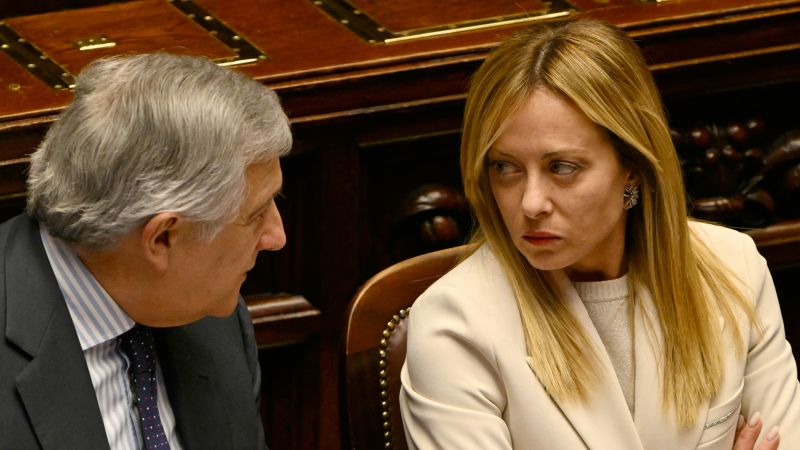
Italian Foreign Minister Cancels U.S. Trip After Trump’s Remarks on Meloni
Italian foreign minister cancels trip to US – Italian Foreign Minister Antonio Tajani has canceled a planned visit to the United States, marking a significant diplomatic shift in the transatlantic relationship. The decision follows sharp criticism from former President Donald Trump, who made controversial remarks about Italian Prime Minister Giorgia Meloni during a televised interview. These comments, which sparked immediate backlash, have intensified tensions between Washington and Rome, highlighting the sensitivity of their alliance. Tajani’s move underscores the growing influence of Meloni’s government in shaping Italy’s foreign policy stance against U.S. leaders who challenge its priorities.
The trip, originally scheduled to take place ahead of the Italy-US Business, Investment, Science and Innovation Forum in Miami, was set to focus on economic cooperation and critical minerals. By pulling out, Tajani has sent a clear message of protest, signaling that Trump’s remarks on Meloni are not just personal but have implications for broader U.S.-Italy relations. The Italian government’s swift response reflects the strategic importance of maintaining unity, especially as Meloni’s leadership has been central to aligning Italy with American interests in recent years. This cancellation adds to the list of diplomatic gestures that have defined the evolving dynamic between the two nations.
Trump’s Remarks Spark Diplomatic Fallout
“I’m astonished by the way the U.S. president behaves toward his allies. It’s not the first time he’s questioned their loyalty,”
Giorgia Meloni, in a fiery statement shared on X, called out Trump’s comments as “fabricated” and “unacceptable.” She emphasized that Italy’s actions, including its support for U.S. policies, should not be undermined by personal attacks. The remarks, which questioned Meloni’s commitment to the Iran war, were seen as a double standard, with the Italian leader accusing Trump of prioritizing individual grievances over shared strategic goals. This incident has further strained the relationship, with Tajani’s cancellation serving as a tangible expression of Italian displeasure.
Tajani’s decision to skip the forum disrupts a key platform for bilateral dialogue, potentially affecting discussions on economic security and supply chains. While the U.S. State Department had anticipated the meeting, the cancellation highlights the growing rift in their alliance. Analysts suggest that Trump’s comments may have inadvertently bolstered Meloni’s political standing, framing her as a principled leader resisting external pressure. This narrative, however, has left the U.S. in a difficult position, as its allies in Europe begin to question the consistency of American foreign policy.
Historical Tensions Between Trump and Meloni
The current dispute is part of a longer-standing friction between Trump and Meloni, who have navigated a complex partnership since his second term began. Despite their alignment on immigration and national sovereignty, Trump’s public criticisms of Meloni’s stance on the Iran conflict have created discord. Earlier this year, Meloni’s refusal to join the U.S. in a military campaign against Iran led to sharp rebukes from Trump, who labeled her “weak” on foreign policy. This pattern of criticism has now reached a new level, with Tajani’s trip cancellation adding to the diplomatic pressure on Italy.
While Meloni has maintained a strong position on domestic priorities, her government’s response to Trump’s remarks has been decisive. The Italian leader’s public defense of her policies and her supporters’ reaction to Trump’s comments have reinforced a narrative of resilience. However, the cancellation of Tajani’s trip also signals a potential recalibration of Italy’s approach to U.S. diplomacy, as the country seeks to assert its autonomy in global affairs. This development may have lasting effects on transatlantic cooperation, especially in light of shifting geopolitical priorities.
