
It was supposed to be Trump’s big legislative achievement. It could be a weapon for Democrats to win in the midterms
Trump’s Legislative Legacy Under Midterm Spotlight
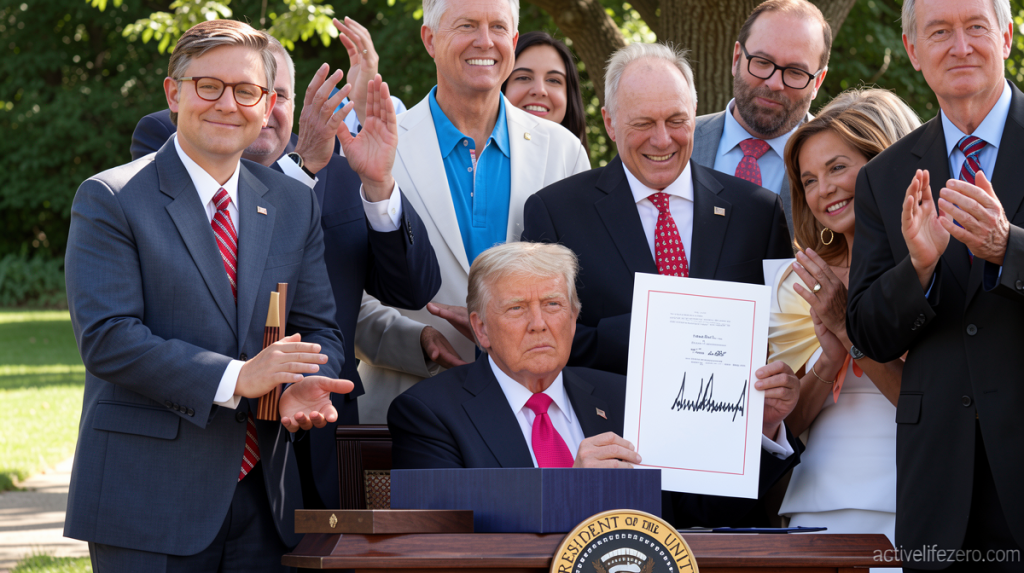
It was supposed to be Trump’s crowning achievement in the White House. When President Donald Trump signed the One Big Beautiful Bill Act into law twelve months ago, the moment was celebrated as a historic victory for Republican governance. The legislation promised sweeping changes to American policy, combining tax reforms with significant adjustments to social safety net programs. At the time, administration officials painted it as a transformative piece of legislation that would strengthen the economy while reducing government spending. However, as the midterm elections draw closer, this once-celebrated bill has become something entirely different—a potential liability that Democrats may wield against Republican candidates across the country.
The Bill’s Ambitious Promise
The One Big Beautiful Bill Act represented one of the most comprehensive legislative efforts of the Trump administration. Supporters hailed it as a bold step toward fiscal responsibility, pointing to projected savings and economic growth. The legislation introduced substantial reductions to vital social programs including food assistance and Medicaid, while simultaneously implementing business-oriented tax incentives. White House officials argued that these measures would create jobs, stimulate investment, and reduce the national deficit. The administration worked tirelessly to promote the bill’s benefits, organizing press conferences and public appearances to build momentum. It was supposed to be Trump’s signature domestic policy accomplishment, a legacy that would endure beyond his presidency.
Yet the reality on the ground has proven more complicated than the rhetoric suggested. As implementation began, lawmakers and advocates from both parties raised concerns about the pace and scope of changes. Critics pointed out that sudden reductions to social programs could harm vulnerable populations before the promised economic benefits materialized. The White House has attempted to rebrand the measure as the “Working Families Tax Cut” to emphasize its positive aspects, but the underlying cuts remain a source of contention. Polling data indicates that public opinion has shifted since the bill’s passage, with more Americans expressing dissatisfaction with its effects.
Democrats See Midterm Opportunity
For Democratic strategists, the timing could not be more favorable. With midterm elections approaching, party leaders are positioning the One Big Beautiful Bill Act as evidence of Republican mismanagement. Campaign advertisements in key swing districts highlight the impact of program cuts on working families. Congressional Democrats have introduced resolutions calling for partial reversals of the most controversial provisions, framing their efforts as protection for ordinary Americans. The political calculus is clear: if voters remember the bill primarily for its reductions rather than its tax benefits, Republicans could face significant losses in both chambers of Congress.
Republican officials are working to counter this narrative, emphasizing the long-term economic benefits of their legislative agenda. They argue that short-term pain will yield long-term gains, pointing to rising equity markets and increased business investment as evidence of success. President Trump himself has continued to defend the legislation in public appearances, including a recent commemorative address on Independence Day where he highlighted market performance and advocated for electoral modifications alongside praise for military actions abroad. However, the political winds appear to be shifting, and even staunch supporters acknowledge that the midterms could test the administration’s resilience.
As the election season intensifies, the One Big Beautiful Bill Act has transformed from a celebrated achievement into a contested battleground. What was supposed to be Trump’s legislative triumph may ultimately become a weapon for Democrats seeking to reclaim power. The outcome will depend on how voters weigh the bill’s benefits against its costs, and whether the administration can effectively communicate its vision for the future. One thing is certain: this legislation will define the political landscape for years to come, regardless of which party emerges victorious in November.
