
Gallego spokesperson says Trump is ‘targeting’ the Democratic senator with DOJ investigation
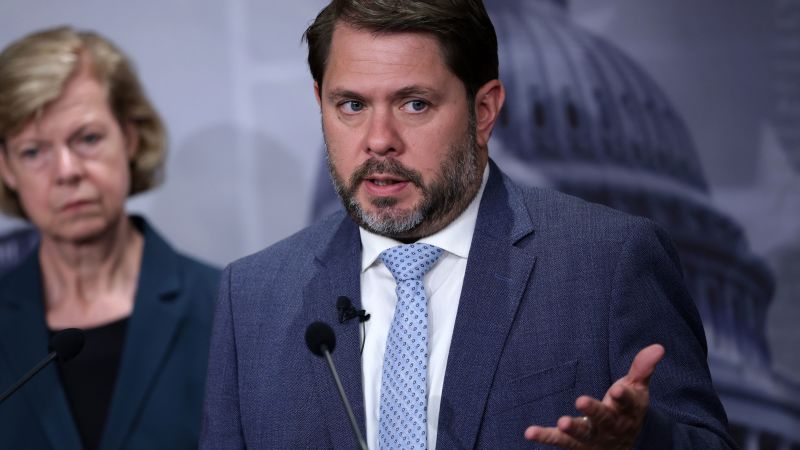
Democratic Senator Ruben Gallego’s Office Alleges Trump’s DOJ Probe is a Political Move
Gallego spokesperson says Trump is targeting – Senator Ruben Gallego’s spokesperson claimed on Monday that President Donald Trump is using a Justice Department investigation as a tool to attack the Arizona Democrat, accusing the administration of targeting him for political reasons. The statement came in response to a recent Axios report that detailed the inquiry into Gallego’s campaign finance practices. The spokesperson argued that the Department of Justice, under Trump’s leadership, has become a weapon for silencing critics, particularly those who challenge the administration’s policies or actions.
DOJ Investigation Linked to Whistleblower Complaint
Axios reported that the Justice Department’s probe into Gallego’s financial activities originated from a whistleblower complaint filed in Southern California. The complaint, according to the news outlet, alleged irregularities in campaign finance management, though specific details were not immediately disclosed. Gallego’s office emphasized that they lacked independent information about the investigation, relying solely on the Axios report to frame their response.
“Trump is targeting Senator Gallego while the most weaponized Department of Justice in history is turning a blind eye to Trump’s unprecedented corruption that’s raising costs for families, and instead targeting anyone who gets in their way — like the Federal Reserve, members of Congress doing their oversight duty, and now Senator Gallego,” the spokesperson said in a statement.
The spokesperson further criticized the administration, suggesting that the investigation is part of a broader effort to suppress dissent. They highlighted that the DOJ’s actions are seen as a strategic move to undermine individuals who challenge Trump’s agenda. This accusation comes amid a series of political battles between the Republican administration and Democratic lawmakers, with Gallego positioned as a vocal critic of Trump’s policies.
Senate Ethics Committee Clears Gallego of Earlier Allegations
Gallego’s office had previously released a letter from the Senate Ethics Committee, which concluded that the Democrat had not violated federal laws, Senate rules, or conduct standards. The letter addressed a complaint from Republican Rep. Anna Paulina Luna, who had accused Gallego of improper behavior related to campaign finance and alleged inappropriate conduct of a sexual nature. The Senate Ethics Committee’s findings were cited as evidence that Gallego’s actions were in line with established norms, despite the ongoing DOJ scrutiny.
“It’s the least surprising news of the week that this comes immediately after the Senate Ethics Committee cleared Senator Gallego of rightwing smears pushed by the administration weeks ago,” the spokesperson added.
The spokesperson’s remarks underscored a perception that the DOJ investigation is politically motivated, aligning it with the administration’s efforts to control narratives. They pointed to the timeline of events, noting that the Senate Ethics Committee’s decision to dismiss Luna’s complaint preceded the federal inquiry, which they view as a coordinated attack on Gallego’s credibility.
Gallego’s Office Seeks to Highlight Discrepancies
Gallego’s team stressed that the DOJ’s investigation is separate from the Senate’s internal review, which found no wrongdoing. The spokesperson argued that this distinction is being overlooked by the media and political opponents, who are framing the DOJ probe as a continuation of the Senate Ethics Committee’s findings. They also raised questions about the scope of the federal investigation, suggesting it may focus on specific financial practices rather than broader policy criticisms.
While the Justice Department did not immediately comment on the Axios report or Gallego’s claims, the timing of the investigation has sparked debate about its purpose. Critics argue that the DOJ is leveraging its authority to target individuals who have been vocal in opposing Trump’s policies, particularly those in the Senate. This sentiment is echoed by Gallego’s spokesperson, who framed the probe as part of a pattern of political retribution.
Context of the Investigation and Its Implications
The whistleblower complaint that triggered the DOJ’s inquiry is part of a larger network of allegations against Trump’s campaign, which has been under scrutiny for years over potential financial misconduct. However, Gallego’s office emphasized that the investigation is focused on their own campaign, rather than Trump’s broader actions. This distinction is crucial, as it positions Gallego as a primary target rather than a collateral figure in a wider probe.
Analysts have noted that the DOJ’s decision to initiate the investigation may reflect a strategic shift in focusing on Democratic senators. The spokesperson’s statement suggests that the administration sees Gallego as a key opponent, particularly in light of his public criticism of Trump’s economic policies and tax plans. By linking the DOJ probe to these criticisms, the spokesperson aims to portray the investigation as a calculated effort to weaken Gallego’s influence in the Senate.
The investigation’s potential impact on Gallego’s political career is significant. If the DOJ uncovers evidence of campaign finance violations, it could lead to legal consequences or damage his reputation. However, the spokesperson remains confident, asserting that the administration is using the DOJ to silence dissent rather than pursue genuine accountability. This rhetoric has drawn comparisons to past investigations that were criticized for being politically biased.
Gallego’s Response to the DOJ’s Actions
Gallego’s office has not yet provided a detailed response to the specific allegations in the DOJ investigation, but the spokesperson’s comments indicate a focus on framing the probe as an attack on democratic processes. They argue that the DOJ’s actions are not about uncovering corruption but about creating a distraction from other pressing issues, such as the administration’s handling of the economy and healthcare.
Additionally, the spokesperson highlighted the role of the Federal Reserve in the DOJ’s targeting, suggesting that the investigation is part of a larger campaign to undermine institutions that have criticized Trump’s policies. This narrative positions Gallego as a victim of a coordinated effort to silence political opponents, with the DOJ acting as an extension of the executive branch’s agenda.
As the investigation unfolds, it remains to be seen whether the DOJ will find substantial evidence of wrongdoing or if it will be viewed as another instance of political weaponization. Gallego’s team has vowed to continue defending their record, emphasizing that the probe is a reflection of the administration’s tactics rather than a legitimate inquiry into their conduct.
In the broader political landscape, the DOJ’s actions have intensified discussions about the independence of the justice system. Supporters of Gallego argue that the investigation demonstrates a lack of impartiality, while others see it as a necessary step to hold politicians accountable for their financial dealings. Regardless of the outcome, the case has already become a focal point in the ongoing debate over the role of the Justice Department in partisan politics.
