
Federal judge halts work on Trump’s ‘anti-weaponization fund’
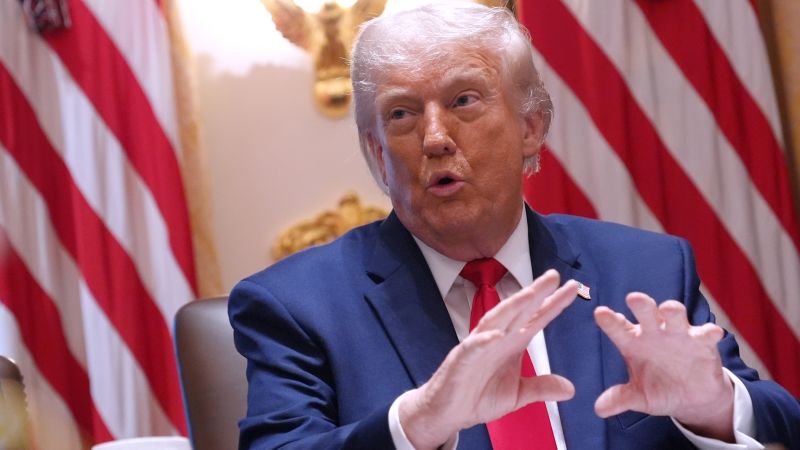
Federal Judge Halts Trump’s $1.8 Billion Anti-Weaponization Fund
Federal judge halts work on Trump – A federal court in Virginia has issued a temporary injunction, halting the Trump administration’s efforts to establish a $1.8 billion fund aimed at compensating individuals the government claims were unjustly targeted by previous administrations. The order, issued by U.S. District Judge Leonie Brinkema, prohibits the administration from taking any steps related to the fund’s creation, including the transfer of funds, evaluation of claims, or disbursement of money. This pause comes amid a growing legal challenge from a coalition of critics who argue the program is flawed and threatens to misuse public resources.
Brinkema, a Clinton appointee, set a hearing for June 12 to determine whether the court should extend the block on the fund’s operations. The legal battle centers on the fund’s constitutionality and its compliance with federal statutes. The program, which seeks to review claims from people alleging they were unfairly subjected to government actions, has drawn scrutiny from a diverse group of plaintiffs, including former federal prosecutors, a prominent watchdog organization, and the city of New Haven, Connecticut. They contend that the fund’s establishment violates both the Constitution and existing laws, creating a potential loophole for political favoritism.
The Anti-Weaponization Fund is designed to be overseen by five commissioners selected by the attorney general. These officials will assess claims and decide which individuals qualify for compensation. The program’s funding comes from the Department of Justice’s Judgment Fund, a taxpayer-supported pool used for monetary settlements reached by the government in legal cases. The fund’s creation is tied to a recent settlement in Trump’s historic lawsuit against the Internal Revenue Service (IRS), which he filed to challenge the agency’s authority to withhold his tax returns. The settlement required acting Attorney General Todd Blanche to appoint the fund’s commissioners within 30 days of the agreement.
Brinkema’s order appears to delay the attorney general’s ability to finalize the selection of these commissioners. In court documents, plaintiffs argue that the fund’s design is unconstitutional, as it allows the president to act as both a plaintiff and the head of the executive branch. This dual role, they claim, creates a conflict of interest and enables the administration to shield itself from accountability. The judge emphasized that the Justice Department had not yet committed to halting money transfers or claim processing during the initial legal proceedings, which raised concerns about the fund’s transparency and fairness.
The plaintiffs’ legal team, based in Alexandria, Virginia, urged Brinkema to intervene immediately, stating that the fund’s existence is already causing irreversible harm. They wrote in court papers that the program’s secretive nature makes it difficult to track how funds are being allocated or whether payments have already been made. “Without this pause, taxpayer dollars could be distributed through an unprecedented political compensation scheme that lacks proper oversight,” the lawyers argued. They added that the harm would persist even after the court’s decision, as the fund’s operations could continue unchecked.
“Today, a federal court recognized the urgent need to prevent taxpayer dollars from being distributed through a secretive and unprecedented political compensation scheme before the legality of that program can be fully reviewed by the court,” said Skye Perryman, president and CEO of Democracy Forward, which represents the plaintiffs.
The case is part of a broader legal assault on the fund, which was announced earlier this month. Critics argue that the program’s setup gives the Trump administration disproportionate influence over who receives compensation. By selecting commissioners from the executive branch, they claim the fund becomes a tool for political retribution, targeting individuals or entities that opposed the administration’s policies. The plaintiffs also highlighted the lack of public transparency, noting that much of the fund’s operations are shielded from scrutiny until the legal challenges are resolved.
Brinkema’s temporary block is a critical step in the fight to stop the fund. She cited the need to maintain the status quo while the legal arguments are examined. The judge’s order forces the Justice Department to pause its activities, including the transfer of funds into the program. This pause allows for a more thorough review of the fund’s structure and its potential impact on government accountability. The next phase of the case will focus on whether the court should issue a more permanent injunction, potentially halting the program indefinitely.
In response to the court’s action, the Justice Department reiterated its confidence in the fund’s legality. The department stated that the Anti-Weaponization Fund is grounded in ample legal precedent, including settlements reached during the Obama administration. “We will not allow the policy preferences of judges to interfere with our efforts to provide restitution to victims of lawfare,” the DOJ said in a statement. However, critics remain skeptical, arguing that the fund’s political nature undermines its credibility and fairness.
The fund’s creation has sparked debate over the balance between executive power and judicial oversight. While the administration frames it as a necessary measure to correct past injustices, opponents see it as a mechanism to reward allies and penalize critics. The temporary injunction serves as a pause, but the broader implications of the fund’s operation could shape the legal landscape for years to come. As the June 12 hearing approaches, the question remains: will the court uphold the fund’s validity, or will it declare it unconstitutional?
The legal challenge also highlights the unique role of the president in the settlement process. By suing the IRS, Trump positioned himself as a plaintiff in a case that ultimately led to the creation of the fund. This allows him to use taxpayer money to compensate individuals or entities he claims were targeted by prior administrations. Critics argue that this setup blurs the lines between political and judicial processes, creating an opportunity for the administration to justify its actions with the weight of the legal system.
As the case unfolds, it will likely set a precedent for how government programs can be influenced by the executive branch. The temporary block on the fund’s operations is a significant development, but it is only the beginning of a complex legal battle. The outcome could determine whether the administration’s approach to compensation is seen as a legitimate use of public funds or a tool for political advantage. With the hearing scheduled for June 12, the court’s decision will carry weight in shaping the future of this controversial initiative.
The fund’s design, which draws from the DOJ’s Judgment Fund, has been criticized for its lack of transparency. While the program is intended to address past injustices, its secretive nature has raised alarms among legal experts and watchdog groups. The plaintiffs’ argument that the fund is unconstitutional hinges on the idea that the president’s dual role as both plaintiff and head of the executive branch gives him undue power to shape the outcomes of claims. This dynamic, they say, creates a conflict of interest that undermines the fairness of the process.
Brinkema’s order underscores the importance of judicial intervention in preventing the misuse of taxpayer funds. By temporarily halting the program, she ensures that the government cannot move forward with its plans without further scrutiny. The next steps in the case will determine whether the fund’s operations can continue, or if it will be stopped altogether. For now, the status quo remains in place, pending the court’s decision in this pivotal legal challenge.
