Exclusive: Inside Hegseth’s push to showcase a dramatic Iran rescue on ‘60 Minutes’

Daftar Isi
Pentagon’s Media Strategy Faces Scrutiny After Iran Rescue Interview
Activelifezero.com – A planned television account of a high-risk rescue in Iran has drawn attention to how Defense Secretary Pete Hegseth and his political staff sought to present one of the war’s most dramatic episodes to the public.
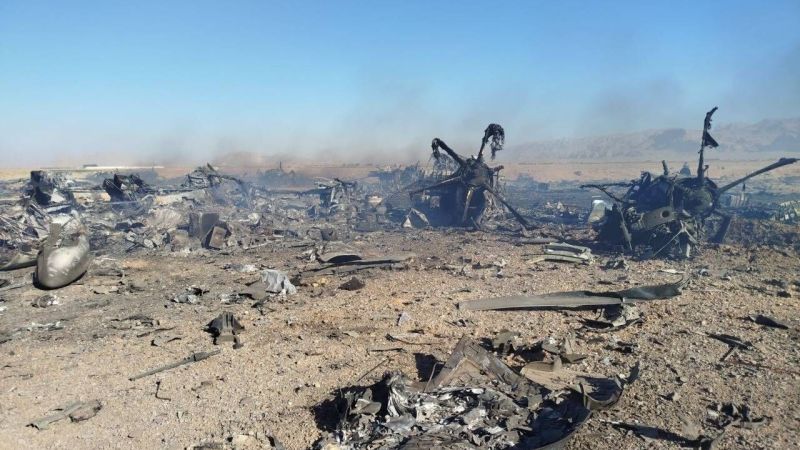
Two members of an F-15 crew were brought out of Iran after their aircraft was downed by Iranian forces in April. The recovery mission later became the focus of a heavily promoted “60 Minutes” segment scheduled for Sunday. Behind the scenes, however, the path to that interview involved concerns from the service members, operational-security questions from military officials, and strong interest from senior Pentagon appointees.
Both airmen initially had reservations about appearing in the program. One raised the possibility that participation could become an order rather than a personal decision. Officials within the military also worried that a public retelling during an active campaign could reveal sensitive elements of the operation, including methods and sources that must remain protected.
One Survivor Participated, One Declined
Political personnel working in Hegseth’s office wanted both survivors to sit for interviews. After the airmen expressed their worries, Hegseth met privately with them and asked whether they wished to take part, rather than compelling them to do so.
The outcome was split. The pilot, identified publicly only by the nickname “Bravo,” agreed to appear on camera and recount his experience. The other survivor, called “Alpha,” chose not to participate. The Pentagon has not released either crew member’s name.
The episode illustrates the unusually direct role Hegseth has taken in shaping public messaging around the Iran war. As public support for the conflict has weakened, pressure has grown on the defense secretary to emphasize military successes and the personal bravery of those involved.
This entire story is a complete lie.
Chief Pentagon spokesperson Sean Parnell rejected the account of pressure surrounding the interview. He said the choice belonged to the pilots themselves and noted that one accepted the invitation while the other did not.
The decision to participate in the interview was each pilot’s alone — because it is their story.
Parnell also said the department took extensive steps to safeguard operational security, sources and methods. He argued that suggestions to the contrary diminish the work of military personnel who supported the interview process.
A Highly Competitive Interview
The rescue attracted broad interest from major media organizations soon after it occurred. At CBS, producer Keith Sharman began pursuing an interview on the day of the recovery, drawing on longstanding contacts within the US military. Sharman has worked for “60 Minutes” for 25 years.
CBS News editor in chief Bari Weiss later made securing the crew members a priority within the newsroom. She personally pressed Hegseth for exclusive access and also contacted other officials in the Trump administration. The pursuit of the interview reflected both the significance of the rescue and the value of an exclusive account from survivors of a dangerous wartime mission.
Hegseth and members of his team were especially interested in airing a vivid narrative featuring both members of the F-15 crew. Yet obtaining the interviews took months. Sharman and correspondent Norah O’Donnell, who eventually secured the interview, originally aimed to have the report ready for the prior “60 Minutes” season, which ended in May.
The process unfolded while CBS experienced internal upheaval. Weiss removed several correspondents and producers from “60 Minutes” and installed Nick Bilton as executive producer, leading to weeks of critical coverage. With Weiss and Bilton facing pressure to demonstrate that the program could continue producing consequential exclusives, the F-15 rescue account became an even more important booking.
A CBS spokesperson did not comment on the matter.
Security Questions During an Active Conflict
The Pentagon has long sought to shape public accounts of military heroism, regardless of which political party controls the White House. The department even maintains an office that works with Hollywood productions. Such efforts can help explain complex missions to the public and recognize the people who carry them out.
But the desire to tell a compelling story can clash with the need to protect sensitive details, particularly while a military campaign is continuing. Officials were concerned that public discussion could go too far into operational specifics surrounding the Iran rescue.
The planned broadcast has been promoted as an inside account of the operation that brought both crew members out of Iran. The pilot was located within hours of the F-15 being shot down. The weapons system officer faced a longer ordeal, spending more than a day avoiding advancing Iranian forces.
During that effort to evade capture, he climbed through difficult terrain to a ridgeline 7,000 feet above sea level. His experience underscores the danger faced by personnel isolated behind hostile lines, where survival depends not only on rescue forces but also on judgment, endurance and the ability to remain undetected.
The contrasting decisions by the two airmen leave the broadcast with only one on-camera survivor’s account. They also highlight a central tension in wartime communication: the public appetite for a dramatic story, the government’s interest in demonstrating success, and the individual right of service members to decide how much of an intensely personal experience they want to share.
Related Reading
Frequently Asked Questions
What is Exclusive?
Exclusive is the main topic of this guide. The article explains the context, practical details, and next steps readers should understand.
Why does Exclusive matter?
Exclusive matters because readers are looking for a useful answer, not just a short summary. Good content should match search intent and help them decide what to do next.