Exclusive: Trump administration plans to use homeland security funds to pressure states into election changes

Exclusive: Trump administration plans to use homeland security funds to pressure states into election changes
Exclusive – The Trump administration is set to leverage federal homeland security grants as a tool to push states toward adopting election modifications, according to internal documents and multiple sources accessed by CNN. The strategy involves threatening to withhold significant portions of funding unless states comply with new rules aimed at enhancing election security. This approach aligns with the president’s ongoing efforts to address alleged voter fraud, even as research indicates such incidents are relatively rare. The move also reflects a broader attempt to increase federal oversight of state election processes.
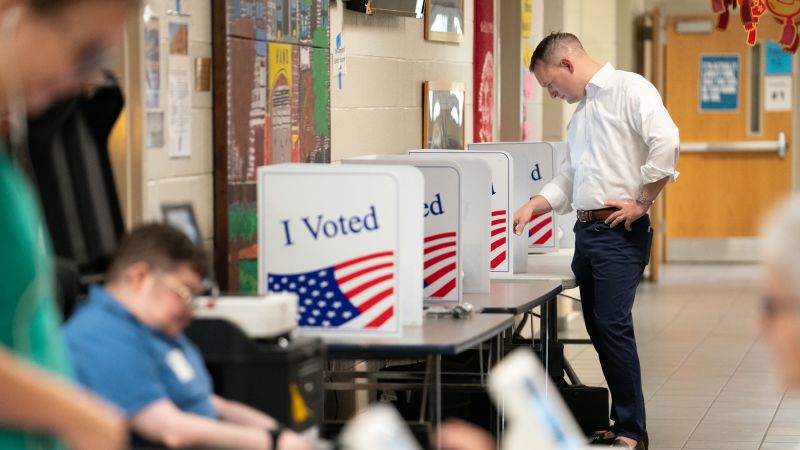
Under the revised guidelines, states must implement a range of measures, including transitioning from electronic voting systems to hand-marked paper ballots. Additionally, they are required to integrate their voter registration databases with a controversial DHS citizenship verification tool. Failure to meet these conditions could result in a 20% reduction of grant funds—potentially millions of dollars in security assistance. These grants, projected to exceed $1 billion in the current fiscal year, are critical for state and local governments to combat terrorism, safeguard infrastructure, and manage major disasters.
Expanded Federal Influence and Mandatory Reforms
While states have previously passed laws to resist federal interference in elections, the new DHS rules are designed to counteract those efforts. The administration’s internal documents outline specific mandates, such as conducting manual audits and verifying the citizenship of all polling staff through a government-approved system. These requirements aim to centralize control over election procedures, a move critics argue could undermine state autonomy. The shift from electronic voting systems to paper ballots is particularly contentious, as it may affect voter accessibility and efficiency.
Although most jurisdictions already provide hand-marked paper ballots, approximately 30% of voters nationwide reside in areas that rely entirely on ballot-marking devices or direct-recording electronic systems. These technologies streamline voting but are now targeted for replacement under the new guidelines. States like Delaware, Georgia, Nevada, and South Carolina, along with Los Angeles County, are expected to face the most immediate pressure to transition. The implications of this change extend beyond mere administrative adjustments, potentially reshaping the electoral landscape in key regions.
“No changes to grant requirements or funding distributions are official until they are formally announced and published through proper, authorized agency channels,” a DHS spokesperson stated. “Any recipient of federal funding should expect accountability for how taxpayer dollars are spent.”
The administration’s strategy mirrors its historical use of federal funds to influence state policies. This includes penalizing states for immigration-related decisions or diversity initiatives, with similar tactics now being applied to election administration. Legal challenges have already emerged against such measures, and the current proposal is likely to face scrutiny in the courts. While the DHS grants are a primary means for Washington to support state efforts in security, the new rules expand their scope to include electoral oversight.
Constitutional experts note that while Congress holds the authority to regulate elections, the president has limited power to unilaterally enforce changes. Courts have previously ruled that federal interventions in state-run elections must have a clear legal basis. David Becker, a former Justice Department lawyer who now advises election officials, anticipates that the new requirements will encounter legal obstacles. “I expect (the new requirements) will be blocked in the courts,” he remarked, highlighting the potential for litigation over the administration’s expansion of federal authority.
SAVE System and Voter Roll Verification
A central component of the revised grants is the mandatory use of the Systematic Alien Verification for Entitlements (SAVE) database. This tool is designed to cross-check voter registration records with immigration data, raising concerns about its accuracy. Critics argue that SAVE can generate false matches, leading to the incorrect removal of eligible voters. Despite these criticisms, the administration is pushing states to fully integrate the system into their electoral processes.
The SAVE system has been utilized by some states to vet voter rolls, but others have resisted its implementation. The Justice Department has taken legal action against 30 states for refusing to share their voter lists with the federal government. This push for transparency and data access is part of the administration’s broader effort to monitor and regulate election activities. The system’s flaws, however, remain a point of contention among election officials and civil rights advocates.
While the financial incentives for compliance are substantial, the penalties for noncompliance—up to a 20% funding cut—are equally significant. The stakes for states are high, as the grants cover essential security operations, from counterterrorism measures to disaster preparedness. By linking these funds to election reforms, the Trump administration is framing the issue as a matter of national security, despite the political nature of the demands.
The new mandates also require states to submit detailed plans for phasing out voting systems that do not use paper ballots. This is intended to create a more transparent and verifiable voting process, but it may disproportionately impact voters in areas with limited access to traditional voting methods. The transition could pose logistical challenges, particularly for jurisdictions with older infrastructure or smaller budgets.
Broader Implications and Political Strategy
The administration’s use of federal funds as a bargaining tool underscores its approach to governance, where financial leverage is employed to secure political alignment. This tactic has been applied to various policy areas, from immigration to social programs, and now to election administration. The goal is to ensure that states prioritize policies consistent with the president’s vision, even if it means altering long-standing electoral practices.
Legal analysts suggest that the administration’s efforts may face resistance from states and advocacy groups. The proposed changes could be challenged on grounds of overreach, as they require states to adopt specific procedures without explicit congressional approval. Furthermore, the shift toward paper ballots and SAVE integration may be seen as politically motivated, aimed at addressing perceived vulnerabilities in the current system.
Despite these concerns, the administration maintains that its actions are necessary to protect the integrity of elections. Homeland security grants, which have historically supported state efforts in security, are now being repurposed to reinforce this agenda. The decision to tie funding to election reforms highlights the intersection of national security and electoral politics, a dynamic that has become increasingly pronounced in recent years.
As the guidelines are set to be distributed to states later this month, the political and practical ramifications are yet to be fully realized. The outcome of this strategy could determine whether the Trump administration succeeds in reshaping state election processes or faces legal setbacks. For now, the focus remains on securing compliance through financial incentives and penalties, with the broader implications for democracy and voter rights still unfolding.