
Exclusive: Justice Department launches a criminal investigation into Trump accuser E. Jean Carroll
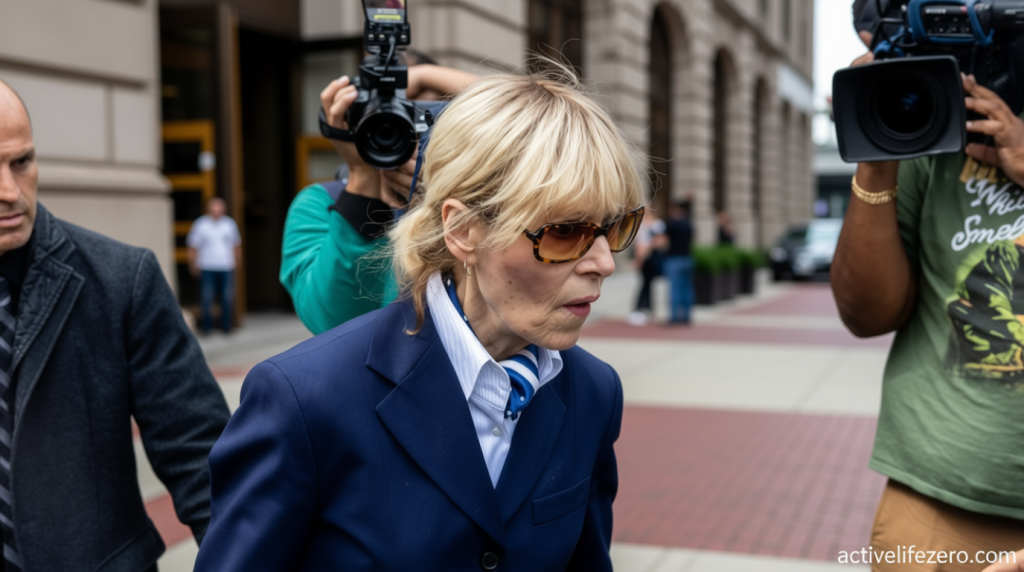
Exclusive: Justice Department Investigates Trump Accuser E. Jean Carroll
Exclusive – The U.S. Department of Justice has initiated a criminal probe into E. Jean Carroll, a woman who accused former President Donald Trump of sexual assault. This development comes as investigators scrutinize whether Carroll’s testimony in two civil suits against Trump was truthful. The cases trace back to allegations of sexual misconduct in a New York department store during the 1990s and a defamation claim linked to Trump’s repeated denial of the incident in 2019. Multiple sources close to the investigation confirmed the move, underscoring its importance in the broader legal landscape involving Trump and his accusers.
Controversy Over Financial Support
Exclusive – Prosecutors’ case hinges on a 2022 deposition where Carroll claimed she received no outside funding for her lawsuits. However, recent disclosures revealed that Reid Hoffman, a billionaire and Carroll’s key supporter, had covered portions of her legal expenses. This revelation, uncovered days before a major trial, has intensified scrutiny of her financial independence. Trump’s legal team argues that Hoffman’s involvement casts doubt on Carroll’s credibility, suggesting a coordinated effort to bolster her case against the former president.
“Carroll’s team ‘conspired to conceal the truth for nearly six months,’” said Trump’s attorney Alina Habba during a court session. The statement highlights the tension between the accuser and defendant as the Justice Department examines potential perjury. The probe is part of a wider strategy to challenge Trump’s critics, with officials emphasizing the need for transparency in legal proceedings.
Strategic Shifts and Legal Complexities
Exclusive – The investigation has been assigned to federal prosecutors in Chicago, a decision linked to Reid Hoffman’s nonprofit based there. This move has raised questions about external influence on the case, particularly in the defamation lawsuit. While Carroll’s legal team insists she never communicated with Hoffman’s associates, the discovery of his financial support has led to renewed questioning of her testimony. The case now serves as a test for the Justice Department’s approach to high-profile political cases.
Acting Attorney General Todd Blanche, who previously represented Trump in Carroll’s appeals, has been recused from the probe. His absence allows the deputy attorney general’s office to lead the inquiry without prior conflicts of interest. Legal analysts note that the department’s decision to pursue criminal charges reflects a shift in tactics, aiming to strengthen its position in ongoing civil litigation against Trump.
Supreme Court Delays and Political Tensions
Exclusive – Trump’s legal battles extend to the Supreme Court, where he is appealing a $5 million judgment and a $83 million defamation ruling. The court has postponed its decision on these appeals twelve times, with the latest delay occurring just days ago. Critics argue that the frequent deferrals suggest political pressure, while supporters claim they are necessary for thorough review. The case remains a focal point in debates over judicial impartiality and the role of the Justice Department in high-stakes political disputes.
Carroll’s case also involves a motion for Trump to be added as a defendant, seeking to assert his immunity from liability. Although an appeals court rejected the request, Trump’s team has not abandoned their efforts to leverage the Justice Department against his opponents. The ongoing legal maneuvers underscore the interconnected nature of civil and criminal proceedings in this high-profile controversy.
Public and Legal Reactions
Exclusive – The probe has drawn mixed reactions from legal experts and the public. While some applaud the Justice Department for pursuing accountability, others question the timing and political motives behind the investigation. Carroll’s legal team maintains that her testimony was truthful and that Hoffman’s contributions were independent. Meanwhile, Trump’s attorneys continue to press for further scrutiny, arguing that the case represents a broader campaign against his adversaries.
As the investigation unfolds, it will likely shape the narrative surrounding Trump’s legal challenges. The outcome could impact future cases involving his claims of political bias, reinforcing or weakening the credibility of his defense strategy. With the Supreme Court’s role still uncertain, the case remains a pivotal moment in the intersection of law, politics, and public perception.
