
Why people should be vigilant about food safety this July Fourth
Why people should be vigilant about food safety this July Fourth
Why people should be vigilant about – This Fourth of July, the nation braces for sweltering heatwaves that have set new records across the U.S. and globally, with temperatures posing a serious threat to health. As the sun beats down and humidity rises, many are looking forward to outdoor celebrations, but the risk of foodborne illness increases. Dr. Leana Wen, a CNN wellness expert, highlights the need for extra precautions to ensure a safe and enjoyable holiday.
The Hidden Dangers of Outdoor Cooking
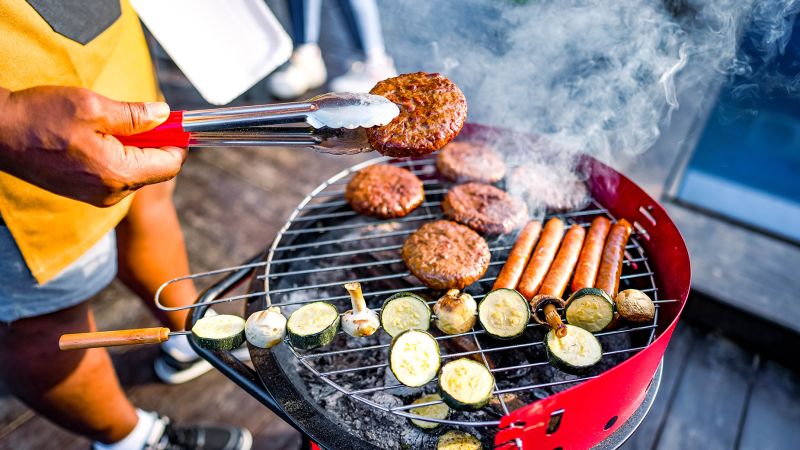
Outdoor gatherings, such as picnics and barbecues, bring unique challenges to food safety. When grilling meat, burgers, and delicate salads like potato or coleslaw, the combination of heat and time can create the perfect environment for bacteria to thrive. Dr. Wen explains that these conditions can lead to contamination, making it essential to adopt smart practices to prevent illness.
“Undercooked meat is a common source of foodborne illness, often caused by harmful bacteria like E. coli or Salmonella,” Wen notes. “Using an internal thermometer is the most reliable way to confirm meat has reached a safe temperature. For instance, chicken needs to reach 165°F, while ground beef should hit 160°F. Once cooked, keeping it at 140°F or higher until serving helps stop bacterial growth.”
Timing Is Everything in Hot Weather
With temperatures potentially exceeding 90°F, the USDA’s standard two-hour window for safely leaving perishable foods out is cut in half. This means cooked items like burgers and salads must be consumed or refrigerated within a single hour. Dr. Wen emphasizes that this rule applies to both meats and plant-based dishes, underscoring the importance of vigilance during peak heat.
“High ambient temperatures accelerate the rate at which food spoils,” Wen says. “If the weather is above 90°F, even a short delay can be risky. Perishable foods should be eaten immediately or stored in a cooler with ice to maintain a safe temperature. Forgetting this rule can lead to illnesses that range from mild discomfort to severe complications.”
Keeping Cool Without a Refrigerator
For those grilling at parks or other locations without access to refrigeration, Dr. Wen offers practical solutions. A well-insulated cooler filled with ample ice can act as a temporary refrigeration system. However, the key is to use it effectively. She advises keeping raw meat at 40°F or below until it’s ready to be grilled, and sealing it in bags to prevent cross-contamination with other foods like fruits and vegetables.
“Raw meat should never sit at room temperature for extended periods,” Wen explains. “Use tightly sealed containers to protect against spills and contamination. Additionally, designate separate utensils and plates for raw ingredients to avoid spreading bacteria to cooked or ready-to-eat items.”
Hand Hygiene: A Simple but Critical Step
While the focus is often on cooking temperatures, handwashing remains a foundational practice. Dr. Wen stresses that moving directly from handling raw meat to preparing salads or eating can transfer harmful microbes. “Always wash your hands thoroughly with soap and water after touching raw foods,” she recommends. “This step prevents cross-contamination and ensures everyone at the table stays healthy.”
“Yes, absolutely. Even if you’re just slicing veggies, a single touch of raw meat can introduce pathogens,” Wen says. “Think of your hands as a vector for bacteria. Regular washing is a simple but powerful way to reduce the risk of illness.”
Addressing Concerns About Eggs and Dairy
With the recent avian flu outbreak, many have questioned whether eggs and milk are still safe to consume. Dr. Wen reassures that as long as these products are cooked to the recommended temperatures, they pose no significant risk. “Last year’s avian flu outbreak didn’t affect the safety of eggs or milk,” she states. “Cooking eggs until the yolks and whites are firm, and pasteurizing milk, ensures they remain safe for consumption.”
“The main concern with eggs is undercooking, which can allow Salmonella to survive,” Wen adds. “For milk, it’s crucial to store it properly and check for any signs of spoilage. When handling these items, maintain hygiene and ensure they are cooked or stored at safe temperatures to avoid complications.”
Additional Health Considerations for the Weekend
While food safety is a top priority, staying hydrated and avoiding heat-related illnesses is equally important. Dr. Wen suggests drinking plenty of fluids, especially water, to counteract the effects of high humidity. She also recommends taking breaks from prolonged exposure to the sun, wearing breathable clothing, and using fans or air conditioning to maintain a comfortable environment.
“Dehydration can lead to fatigue and even heatstroke, especially during long outdoor activities,” Wen warns. “Keep water handy and encourage everyone to drink regularly. Cooling off with ice or cold beverages can also help maintain body temperature and prevent heat exhaustion.”
Protecting Pets from the Heat
Outdoor events aren’t just about humans—pets are also at risk. Dr. Wen notes that dogs and other animals can quickly overheat, especially in enclosed spaces or when left in direct sunlight. “Providing shade, fresh water, and limiting physical activity during the hottest parts of the day is essential for pets,” she advises. “Cooling mats and frozen treats can offer relief, but never leave pets unattended in a hot car.”
Conclusion: A Safe and Satisfying Holiday
By combining careful planning, proper cooking techniques, and mindful habits, families can enjoy their Fourth of July celebrations without compromising health. Dr. Wen encourages everyone to stay informed and proactive. “Food safety isn’t just about avoiding illness—it’s about creating a pleasant experience for all,” she concludes. “A little extra effort now ensures a healthier, happier holiday for everyone.”
As the weather intensifies, following these guidelines can make a world of difference. Whether you’re grilling at home or enjoying a picnic, prioritizing food safety and hydration helps prevent the discomfort of illness and the dangers of heat. With a bit of preparation and awareness, the Fourth of July can be a time for joy, not worry.
