
What the numbers tell us about the Ebola outbreak
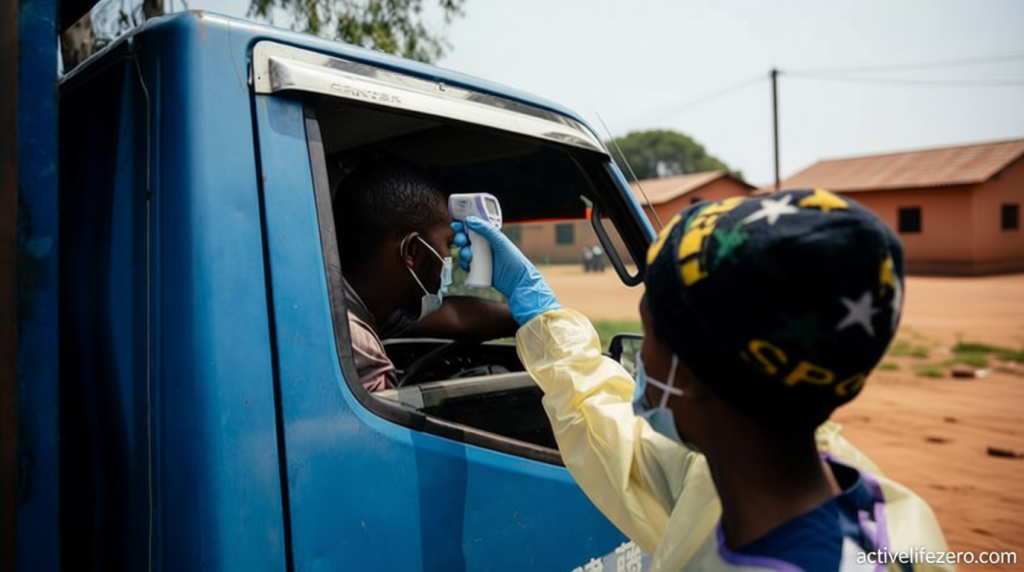
What the Numbers Tell Us About the Ebola Outbreak
What the numbers tell us about – The World Health Organization (WHO) has raised alarms about a rapidly escalating Ebola situation in the Democratic Republic of Congo (DRC) and Uganda, highlighting the potential for widespread transmission at both national and regional levels. The agency has officially designated the outbreak as a “public health emergency of international concern,” though it acknowledges that the risk on a global scale remains relatively low. Central to this crisis is a strain of the virus known as Bundibugyo, which currently lacks a specific treatment or vaccine, making containment efforts more complex.
The Spread of a Lethal Strain
According to the WHO, the outbreak has already claimed at least 139 lives, with nearly 600 additional cases suspected. However, the organization has confirmed only 51 infections so far in the DRC. Dr. Anne Ancia, WHO’s representative in the DRC, emphasized the challenges in tracking the virus’s spread, stating, “We have significant uncertainty about the number of infections and how far the virus has spread.” This uncertainty stems from the virus’s ability to remain asymptomatic for weeks, complicating early detection.
Uganda has reported two confirmed cases of Ebola as of Tuesday, both of which are believed to have originated from the DRC. The first case involved a patient from the DRC who was treated at a Ugandan facility before succumbing to the disease. The second is also classified as imported, indicating the virus has crossed borders. Ugandan health officials have swiftly implemented outbreak control measures, including enhanced surveillance and readiness protocols, to prevent further spread.
The American Patient and Global Response
The situation has drawn international attention due to the involvement of an American individual working in the DRC. The Centers for Disease Control and Prevention (CDC) confirmed that this person has tested positive for Ebola and is experiencing symptoms. The patient has been relocated to Germany for specialized care, while six of their close contacts are being moved to Europe for monitoring. This move reflects the heightened caution being taken by global health authorities to mitigate risks.
Dr. Peter Stafford, the symptomatic American, is a general surgeon with expertise in burn care who was assisting patients in Bunia, according to Serge, an international charity. His wife, Dr. Rebekah Stafford, and another physician, Dr. Patrick LaRochelle, may have been exposed to the virus but are not yet showing symptoms. These healthcare professionals are continuing to follow strict quarantine protocols, which include regular health checks and isolation procedures.
Understanding Ebola Transmission
Health experts have outlined the mechanisms by which Ebola spreads. The virus is transmitted through direct contact with bodily fluids from an infected person, such as blood, saliva, or vomit. It can also spread via contaminated objects or surfaces, underscoring the importance of hygiene and protective measures in affected areas. Notably, individuals are not contagious until they exhibit symptoms, which typically appear between two and 21 days after exposure.
The incubation period, a crucial phase in the disease’s progression, allows for prolonged asymptomatic transmission. This makes early identification of cases particularly challenging. In the DRC, the outbreak was first noticed in the city of Mongbwalu, where four healthcare workers died within a short span of four days. Their deaths prompted the WHO to investigate the cause of the illness, which led to the confirmation of the Bundibugyo strain.
The WHO’s response has included a rapid deployment of an investigation team to Mongbwalu on May 12, following an alert received on May 5 about an unknown illness with high mortality rates. This team collected samples to analyze the virus, though a critical four-week gap between the first known illness in April and the official identification of the outbreak allowed the virus to spread unchecked. Dr. Tedros Adhanom Ghebreyesus, the WHO’s director-general, expressed deep concern over the speed and scale of the outbreak, calling it “a couple months ago” in the DRC.
Challenges in Identifying the Origin
Despite the WHO’s efforts, the exact origin of the outbreak has yet to be pinpointed. Dr. Ancia noted that the organization has not identified a definitive “patient zero,” which is the initial case from which the outbreak is believed to have originated. This lack of a clear starting point is attributed to the way the first patients presented symptoms, which were vague and could have been mistaken for other diseases. The initial cases, including the first confirmed patient with Bundibugyo, arrived at the Bunia hospital in April with symptoms such as fever, vomiting, and severe fatigue. They did not exhibit the classic signs of hemorrhaging, which often distinguish Ebola from other illnesses, further delaying diagnosis.
The delayed confirmation of the Bundibugyo strain has highlighted gaps in diagnostic capabilities and the need for improved surveillance systems. While the WHO has identified the virus as a significant threat, it has classified the global risk as low, emphasizing the importance of regional cooperation and swift containment strategies. The international community continues to monitor the situation closely, with the CDC and other organizations working to ensure that any potential spread is addressed promptly.
Global Implications and Next Steps
The WHO’s declaration of a public health emergency underscores the urgency of the situation, yet the organization remains optimistic about containing the outbreak. Dr. Tedros stated, “WHO assessed the risk of the epidemic as high at the national and regional levels and low at the global level,” signaling that while the outbreak is a major concern locally, it is not yet a worldwide crisis. The agency is now focusing on identifying the precise timeline and location of the outbreak’s emergence, which will be essential for developing targeted interventions.
With the international response already in motion, the focus is on minimizing the impact of the outbreak. The movement of the American patient and their contacts to Germany and the Czech Republic exemplifies the coordinated efforts between national and global health agencies. As the situation evolves, continued vigilance and research will be critical to understanding the full scope of the Bundibugyo strain and its potential to cause further outbreaks in the region.
