
Tweens on social media: Experts say it could lead to earlier substance use
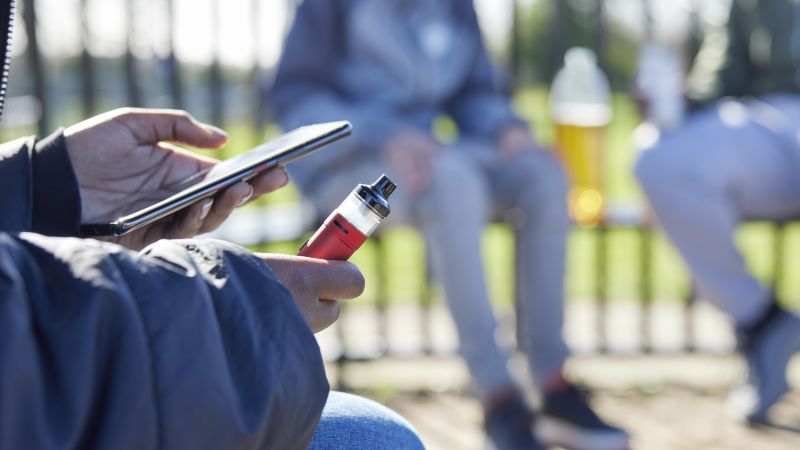
Adolescents and Social Media: Earlier Substance Use Linked to Digital Engagement
Tweens on social media – While social media platforms typically require users to be at least 13 years old to create accounts, a significant portion of younger adolescents are already active online. A recent study published in *The American Journal of Psychiatry* highlights a potential connection between early social media use and increased experimentation with substances like alcohol, tobacco, and cannabis. The research suggests that the speed and timing of when teens begin using these platforms may influence their likelihood of engaging in substance use at an earlier age than peers who start later.
Patterns of Social Media Adoption Among Young Teens
Researchers analyzed data from the Adolescent Brain Cognitive Development Study, which spans four years, to identify different patterns of social media engagement. Dr. Jason M. Nagata, the lead author and an associate professor at the University of California, San Francisco, categorized adolescents aged 9 to 16 into four distinct groups based on their usage habits. These groups include: those with minimal or no use, moderate users with gradual increases, mid-onset users with rapid progression, and early-onset users who began engaging heavily by age 9. The mid-onset group, for example, typically started using phones around 11, while the early-onset group was characterized by an earlier and more intensive digital footprint.
The study found that adolescents in the increasing usage categories—moderate, mid-onset, and early-onset—had higher odds of experimenting with substances compared to those with limited access. Specifically, the early-onset group, which used social media for three or more hours daily, faced nearly 17 times the risk of cannabis use and 14 times the risk of tobacco experimentation than peers who used it sparingly. These findings underscore the role of digital exposure in shaping adolescent behavior, even before they reach the age of majority.
Expert Insights on the Role of Content and Environment
Dr. Courtney Blackwell, an associate professor at Northwestern University’s Feinberg School of Medicine, emphasized the importance of longitudinal data in understanding the relationship between social media and substance use. She noted that most studies lack the long-term perspective needed to establish a clear causal link, but the current research provides a more nuanced analysis by tracking changes over time. “Instead of just using an average time of use,” Blackwell explained, “they looked across four years and asked how each child’s engagement evolved, allowing them to classify users into distinct groups.”
“The key is recognizing that the way adolescents interact with social media isn’t just about frequency—it’s about the trajectory and the context of their usage.”
Blackwell also pointed out that the study’s methodology helps address gaps in previous research. Many earlier studies relied on cross-sectional data, which captures information at a single point in time. By contrast, this approach allows for a deeper exploration of how social media adoption might affect long-term outcomes like substance experimentation. Nagata, who was not affiliated with the study, added that the findings are particularly relevant given the pervasive influence of digital platforms on modern youth.
The research also identified specific types of content that may encourage substance use. Nagata explained that social media often presents substance-related activities in a favorable light, such as showcasing college parties or fun liquor advertisements. “People are less likely to share the negative consequences,” he said. “This creates a skewed perception, where the benefits of substance use are emphasized over its risks.”
“Once you’re on these platforms, exposure to targeted marketing or positive portrayals of substance use can all contribute to a teenager’s decision to try drugs or alcohol.”
According to the study, over 50% of adolescents encounter alcohol marketing online, and nearly 61% of their peers share such content on social media. This suggests that the normalization of substance use through digital media may play a critical role in shaping young minds. Nagata also highlighted that positive content can foster favorable beliefs about substances, particularly among those who are more vulnerable to social influence.
Implications for Adolescent Health and Wellness
Experts warn that the combination of early exposure and the content consumed by teens could have lasting effects on their health and well-being. Blackwell stressed that the study’s findings are part of a broader conversation about how digital environments shape adolescent behavior. “Content matters whether it’s positive or negative,” she said. “It can influence not only substance use but also mental health and other developmental outcomes.”
The study also raises questions about the role of targeted advertising. For instance, a separate analysis found that Australian social media platforms like Facebook and Instagram featured nearly 40,000 alcohol-related ads annually. Most of these ads included interactive elements such as “Buy Now” buttons, which could prompt immediate action or curiosity among young users. While the current research focuses on substance experimentation, it opens the door to exploring other effects of early digital engagement, such as sleep deprivation or anxiety.
Dr. Nagata suggested that the rapid rise in social media use among tweens may be driven by a mix of peer pressure and the appeal of digital connectivity. “Teens are constantly exposed to curated experiences that highlight the best aspects of substance use,” he said. “This can create a perception that using drugs or alcohol is a normal and enjoyable part of growing up.”
Parents and educators are encouraged to monitor how much time adolescents spend online and the types of content they engage with. Nagata recommended setting limits on screen time and fostering discussions about the messages teens encounter. “It’s not just about the time they spend on social media,” he added. “It’s about the messages they internalize and how those messages influence their choices.”
Further research is needed to confirm the causal relationship between social media use and substance experimentation. While the study provides strong correlations, it does not definitively prove that early engagement causes earlier use. However, the data supports the idea that digital platforms are a significant factor in the broader context of adolescent development. As more teens begin using social media at younger ages, the impact of these platforms on their health and behavior is likely to grow, making it essential to understand how to mitigate potential risks.
Ultimately, the study serves as a reminder that social media is not just a tool for communication but a powerful influencer of adolescent decisions. By analyzing usage patterns and content exposure, researchers are gaining valuable insights into how these platforms shape young people’s lives. As the digital landscape continues to evolve, so too must the strategies to support adolescent wellness in an increasingly connected world.
