
Doctor from hantavirus-stricken ship tests negative, moves out of biocontainment unit
Doctor from hantavirus-stricken ship tests negative, moves out of biocontainment unit
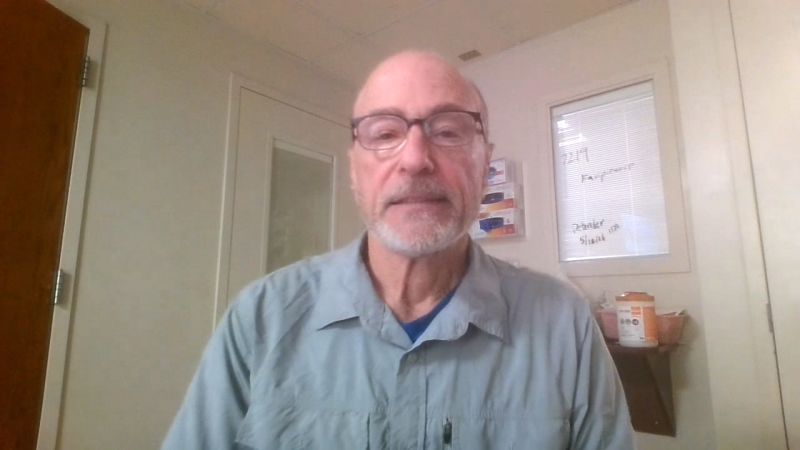
Doctor from hantavirus stricken ship tests – Dr. Stephen Kornfeld, a 69-year-old Oregon oncologist who was aboard the MV Hondius cruise ship, has now been confirmed as hantavirus-negative and transferred out of a biocontainment unit in Nebraska. Kornfeld, who initially tested “faintly positive” for the virus, was among the passengers who developed a “flu-like illness” during the voyage. He shared his experience with CNN’s Erin Burnett on Tuesday, describing the early stages of his symptoms as resembling a typical viral infection. “At the time, it was felt like this is just some virus,” he explained, adding that the true nature of his illness became clearer only in hindsight. “But it’s just speculation. There’s no way to really know.”
From Cruise to Containment
Kornfeld’s initial test results, obtained before he returned to the United States, prompted his placement in the biocontainment unit at the University of Nebraska Medical Center. This specialized facility is designed to isolate individuals with highly contagious or dangerous pathogens, ensuring that they do not pose a risk to others. The doctor, who had been assisting in the care of ill passengers during the cruise, is now undergoing further evaluation in a quarantine unit alongside 15 other American travelers from the ship. None of the 16 individuals currently report symptoms, according to officials. Additionally, two other passengers are being monitored at Emory University in Atlanta.
The World Health Organization (WHO) provided an update on Wednesday, noting that the total number of confirmed hantavirus cases linked to the MV Hondius cruise ship stands at 11. Kornfeld’s initial positive test result was included in this count, though it remains unclear whether the virus was the actual cause of his illness. The WHO’s statement emphasizes that while the virus is a concern, the risk to the general public is considered low. This reassurance comes as health authorities continue to track the spread of the disease and assess its impact on those who were exposed during the trip.
Monitoring and Disposition
U.S. officials have indicated that passengers from the MV Hondius may be eligible to return home for health monitoring, provided they follow specific guidelines. However, those in quarantine at the Nebraska facility are being encouraged to remain there for observation, according to the Centers for Disease Control and Prevention (CDC). Dr. David Fitter, the CDC’s incident manager for the hantavirus response, stated in the agency’s first briefing since the outbreak began that federal officials are collaborating with medical staff to “ensure that they have the appropriate disposition.” This process involves determining the best course of action for each individual, whether it be continued isolation or release under monitored conditions.
Kornfeld’s case highlights the complexities of diagnosing hantavirus. While his confirmatory PCR test came back negative, blood test results are still pending. The delay in finalizing these results underscores the challenges of identifying the virus in its early stages. Hantavirus is known for its prolonged incubation period, which can range from one to eight weeks. This characteristic means that symptoms may not appear immediately after exposure, complicating efforts to trace and manage cases effectively. Health officials have advised that individuals with high-risk exposures—such as those who were on the cruise or shared close quarters with an infected person—should be monitored for up to 42 days.
Despite the uncertainty surrounding Kornfeld’s diagnosis, the CDC and WHO have maintained that the current situation does not necessitate widespread panic. “The risk to the general public remains low,” Fitter said. This sentiment is echoed by the WHO, which has stated that the outbreak is under control and that no additional cases have been reported outside of the cruise ship context. However, the agency has noted that at least 19 other individuals across 10 U.S. states may have been exposed to the virus. These people are being advised to isolate at home while the CDC works with local health departments to monitor their conditions.
Global Response and Testing Protocols
While the CDC has opted for a more targeted approach, some countries are taking a broader strategy. For instance, certain nations have implemented protocols to test all passengers who were exposed to hantavirus, regardless of whether they exhibit symptoms. This proactive measure aims to detect cases early and prevent potential outbreaks. In contrast, the CDC currently recommends testing only for individuals who display signs of illness, such as fever, fatigue, or respiratory issues. This distinction in guidelines reflects varying levels of preparedness and the prioritization of resources in different regions.
Dr. Kornfeld’s experience also sheds light on the challenges faced by medical professionals during such outbreaks. He described the initial stages of his illness as unremarkable, which led to confusion about its origin. “It felt like a regular viral infection,” he said, adding that it was only after further testing that the possibility of hantavirus emerged. This uncertainty is common in cases of emerging infectious diseases, where early symptoms can mimic other illnesses. The importance of timely and accurate testing cannot be overstated, as it helps distinguish between common viruses and more dangerous pathogens like hantavirus.
As the situation continues to evolve, the CDC and WHO are working closely to provide updated guidance. Fitter emphasized the need for a coordinated effort, stating, “Our goal is to continue to work with them for the best possible place for them.” This includes evaluating the long-term health implications of hantavirus exposure and determining whether additional measures are necessary. For now, the focus remains on monitoring the 16 American passengers in Nebraska and the two at Emory University, ensuring that any potential spread of the virus is contained.
The broader implications of the outbreak are also being considered. With the possibility of hantavirus spreading through aerosolized particles, especially in enclosed spaces, health officials are urging caution. They recommend that travelers who were on the MV Hondius or had close contact with infected individuals take precautions such as frequent handwashing, avoiding crowded areas, and reporting any unusual symptoms. The CDC has also issued a reminder that while the virus is serious, it is not highly contagious in the traditional sense, and most people who contract it recover fully if treated promptly.
Dr. Kornfeld’s case serves as a reminder of the delicate balance between vigilance and reassurance in public health. As he moves out of the biocontainment unit, the focus shifts to ongoing monitoring and the management of the remaining cases. The CDC and WHO have stressed that while the situation is being taken seriously, there is no evidence of large-scale transmission. “Currently, there are no state or federal quarantine orders that have been drawn,” Fitter added, highlighting the flexibility in response strategies. This adaptability is crucial in managing outbreaks and ensuring that individuals receive the care they need without unnecessary disruption to their lives.
