
New Yorkers brace for travel chaos as strikes disrupt America’s busiest commuter railroad
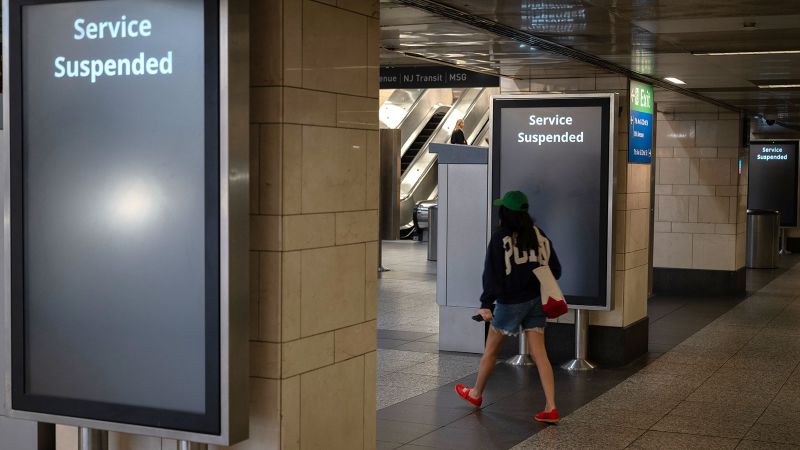
New Yorkers Brace for Travel Chaos Amid Rail Strike Disruption
New Yorkers brace for travel chaos – As the workweek begins, New York City residents are being urged to anticipate significant transportation challenges due to the ongoing strike on the Long Island Rail Road (LIRR), the busiest commuter rail system in North America. The Metropolitan Transportation Authority (MTA), which oversees the network, confirmed that all services remain halted, creating a ripple effect across the metropolitan area. Mayor Zohran Mamdani issued a public alert late Sunday, emphasizing the city’s preparedness for the disruption and advising citizens to adjust their travel plans accordingly.
“The City is preparing for travel disruptions going into the workweek and New Yorkers should too,” Mamdani wrote on X, highlighting the urgency of the situation. He warned that the strike has thrown daily commutes into disarray, forcing travelers to seek alternative routes. “New Yorkers should plan for heavier-than-usual traffic and additional travel time,” the mayor added, underscoring the need for patience and adaptability amid the crisis.
A Historic Suspension of Service
The LIRR, which serves as a critical artery for Long Island commuters, has been in a state of operational standstill since Saturday. This marks the first major strike in the railroad’s history since 1994, drawing attention to the deepening tensions between the MTA and its labor representatives. After marathon negotiations that stretched into the early hours of Monday, the unions and management failed to reach a resolution, leaving the city without a clear path to restoring rail services.
With approximately 250,000 passengers relying on the LIRR each weekday, the suspension has disrupted routines for thousands. The MTA’s service alert reveals that all branches of the rail system, operating 947 trains daily, are currently non-functional. In response, the authority has recommended that commuters consider working remotely where feasible, as the scale of the disruption threatens to overwhelm traditional transportation options.
Shuttle Buses as a Temporary Solution
Meanwhile, New York Governor Kathy Hochul announced that shuttle buses will be deployed to assist essential workers. These buses, which start running at 4:30 a.m. ET on Monday, are intended to alleviate the burden on the city’s roads during peak hours. “We have a plan in place to help essential workers get to the city and minimize disruptions as much as possible,” Hochul stated on X, acknowledging the measures taken to mitigate the crisis.
However, the MTA cautioned that the shuttle service will only accommodate a fraction of the usual commuter volume. With a capacity of 13,000 riders for the morning and another 13,000 for the afternoon, the buses will struggle to keep up with demand. This limitation raises concerns about the adequacy of the solution, particularly as gas prices have spiked and new tolls have been introduced for vehicles entering Manhattan’s business district.
Unions Push for Better Working Conditions
Five unions representing 3,500 railroad workers have been at the center of the dispute, demanding a raise of 4-5% after nearly three years of stagnation. Their dissatisfaction stems from ongoing negotiations with management over wages and conditions, which collapsed on Friday. The National Mediation Board, the federal agency responsible for regulating labor relations in rail and air industries, intervened with a Sunday afternoon meeting that lasted until nearly 1:30 a.m. Monday, according to the Associated Press.
Although no agreement was reached during the meeting, both sides agreed to resume discussions on Monday morning. The unions, which include engineers, signalmen, and machinists, are seeking improvements in pay and working conditions, with some members calling the strike a necessary step to secure fair treatment. Conductors, though not part of the strike, have joined the picket lines, ensuring that the service remains fully blocked.
Consequences for the City and Its Economy
Residents now face the daunting task of navigating a city grid without its primary rail link. The impact of the strike extends beyond daily commutes, affecting businesses that depend on the LIRR for employee transportation and supply chain logistics. Hochul described the strike as “reckless,” criticizing its effect on both the economy and the daily lives of those who rely on the railroad. “The LIRR is the lifeblood of Long Island. Hundreds of thousands of riders depend on it every day. This strike hurts both the riders who rely on the LIRR and the workers who operate it,” she said in a
blockquote
statement.
As the strike continues, the city is bracing for extended delays and potential bottlenecks. The MTA has estimated that the rail network’s capacity is roughly 13,000 riders per bus, a stark contrast to the 250,000 daily passengers the LIRR typically serves. This disparity highlights the limited options available to commuters, with many forced to take to the roads or explore other modes of transport, such as subway extensions or carpooling arrangements.
With the strike’s duration uncertain, the city’s infrastructure and transportation systems are under immense pressure. The MTA’s decision to deploy shuttle buses represents a short-term fix, but it also underscores the scale of the challenge. Officials are now working to coordinate with local businesses and transit agencies to provide support, yet the broader implications of the strike remain a topic of concern for city leaders and residents alike.
Analysts have noted that the disruption could have long-term economic consequences, particularly for industries reliant on consistent transportation. The LIRR’s role in connecting suburban communities to Manhattan has made it a vital component of the city’s infrastructure. Without it, the flow of workers, goods, and services faces a significant slowdown, testing the city’s ability to adapt to unforeseen challenges.
As the situation unfolds, the strike serves as a reminder of the delicate balance between labor demands and operational needs. While the unions aim to secure better compensation and conditions, the MTA must ensure that the city’s mobility is maintained. The coming days will be critical in determining whether the strike can be resolved before the impact on daily life becomes more pronounced.
Broader Implications and Public Response
Public frustration is mounting as commuters scramble to find solutions. The surge in gas prices and the introduction of tolls for vehicles entering Manhattan have already increased the cost of driving, making the need for alternative transport more urgent. Some residents have expressed concern about the environmental impact of increased car usage, while others are worried about the strain on road infrastructure.
Despite these challenges, the city remains focused on minimizing the effects of the strike. Hochul’s call for unity and cooperation among workers and the MTA reflects the broader effort to address the crisis. “This is a moment for collaboration,” she emphasized in a separate statement, urging both sides to find a way forward. The success of the negotiations will depend on the ability to bridge the gap between the unions’ demands and the MTA’s capacity to meet them, ensuring the rail system can resume its role as a cornerstone of the region’s transportation network.
