
Florida teen drops addiction case against Meta ahead of second ‘bellwether’ trial
Activelifezero.com –
Florida Teen Drops Addiction Case Against Meta Before Trial
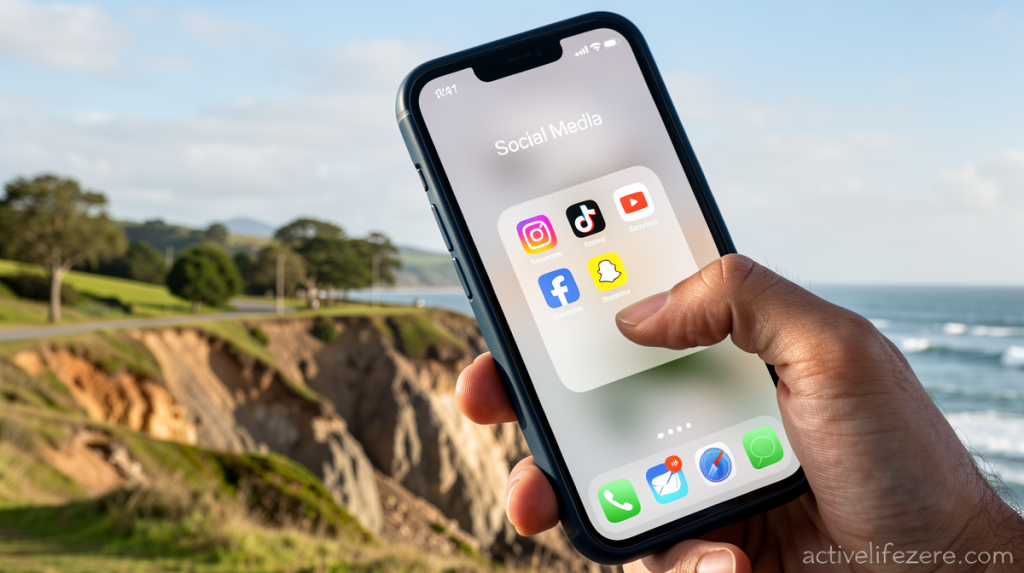
A Florida teen drops addiction case against Meta, clearing the way for the social media giant to avoid a second major trial accusing it of intentionally addicting and harming teenagers. The plaintiff formally withdrew the lawsuit on Wednesday, just days before trial was scheduled to begin in Los Angeles. The teenager, identified by his initials R.K.C., originally filed suit in 2023 against Meta, TikTok, YouTube, and Snap, claiming that the “addictive design” of these platforms hooked him and caused significant harm to his mental health.
The teenager argued that this addictive design led to severe sleep deprivation, suicidal thoughts, and other serious mental health challenges. R.K.C.’s case was positioned as the second “bellwether” trial among hundreds of similar lawsuits filed against these technology companies. This follows an earlier landmark decision earlier this year when Meta and YouTube were found liable in the first bellwether case. After settling his claims with YouTube, TikTok, and Snap in recent weeks under undisclosed terms, R.K.C. had only Meta remaining as a defendant. However, Meta announced Wednesday that the teenager had dropped the case against the company without receiving any financial compensation.
Legal Arguments and Platform Response
“The claims never held up, and this outcome makes clear that we will not back away from defending ourselves against baseless lawsuits,” Meta spokesperson Liza Crenshaw said in a statement.
Lawyers representing R.K.C. characterized the litigation as a victory for social media accountability rather than a defeat. “In light of the overall successful result of the litigation and his concerns about enduring a grueling weekslong trial, he has elected to withdraw his claims against Meta,” attorneys Emily Jeffcott and Rahul Ravipudi explained in their Wednesday statement. They added that the teenager is ready to close this chapter and focus on his recovery and engage in therapy as he aspires to have a normal life.
This development marks a significant win for Meta amid a growing wave of litigation from families, school districts, and state attorneys general claiming that the company’s platforms have harmed young people. Beyond the Los Angeles ruling against Meta and YouTube, a New Mexico jury in March ordered Meta to pay $375 million for failing to protect children from sexual predators on its platforms. Additionally, in May, Meta, YouTube, Snap, and TikTok agreed to settle a lawsuit brought by a Kentucky school district over addiction claims, which had been set to be the first of hundreds of similar cases to go to trial.
Trial is now underway in another case brought by Tennessee’s attorney general alleging that Meta knowingly harmed young people’s mental health. Meta has long argued that it invests heavily in guardrails and features to make its platforms safe for young people, as have the other major social media platforms. The Social Media Victims Law Center, which is leading the litigation of the hundreds of cases brought by individuals and families against the four companies, declined to comment on R.K.C. dropping his case.
The outcome of this Florida teen drops addiction case could influence how other plaintiffs approach their claims against Meta. With the bellwether cases now resolved or pending, the technology industry may see shifts in settlement strategies and legal approaches. Meta’s consistent defense that its platforms provide value while implementing safety measures continues to be tested across multiple jurisdictions. The company’s decision to fight rather than settle this particular case demonstrates its commitment to establishing legal precedent in these emerging areas of consumer protection law.
