
AI demand is jacking up prices for iPads, Nintendo Switches and other gadgets. What experts say you should do
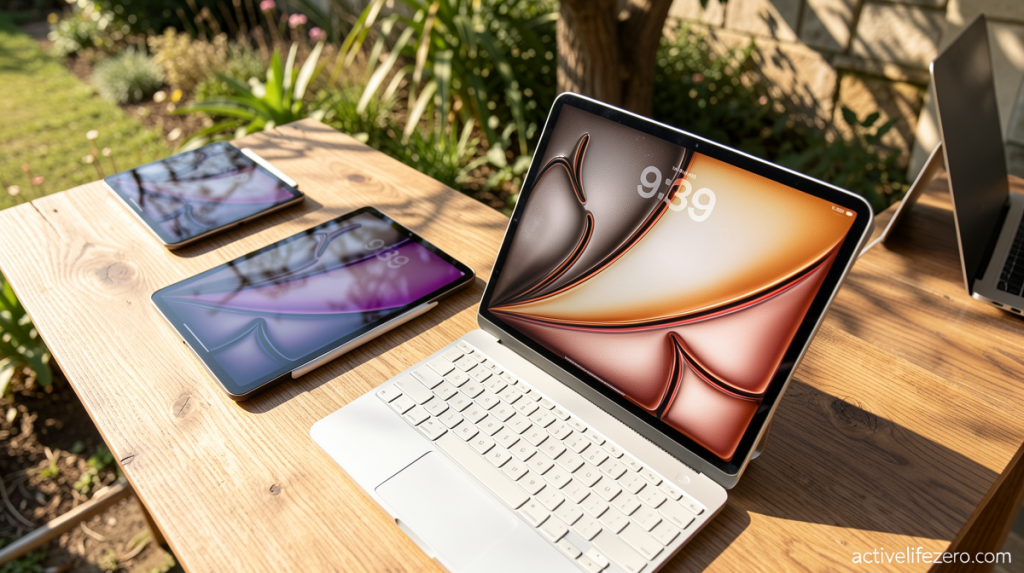
Consumer Electronics Prices Soar Amid Global Memory Crunch
AI demand is jacking up prices – Shoppers planning to upgrade their technology in the coming months should brace themselves for higher costs. The primary culprit behind these escalating prices is the unprecedented expansion of artificial intelligence infrastructure. Massive data centers require enormous amounts of memory to process information rapidly, creating intense competition for this essential computer component between industrial applications and everyday consumer gadgets.
While semiconductor manufacturers such as Micron, Samsung, and SK Hynix are benefiting from increased demand, everyday buyers are facing the consequences. Production capacity cannot simultaneously satisfy both data center requirements and consumer electronics needs, resulting in a supply deficit that has pushed prices upward across multiple product categories. Industry specialists indicate that relief remains distant on the horizon.
Timeline and Scope of the Shortage
The disruption is projected to continue through at least 2028 while major memory producers construct additional manufacturing facilities. Even after new capacity comes online, certain market analysts predict that pricing will not fully revert to previous levels. Asha Sharma, who leads Microsoft’s Xbox division, characterized the situation as “the most severe hardware crisis in history” during an internal communication regarding workforce reductions and organizational restructuring.
Game consoles, portable tablets, and laptop computers are experiencing the most significant price increases. Recent months have seen cost escalations for the PlayStation 5, Nintendo Switch 2, Valve Steam Deck, and numerous Apple devices including iPad and MacBook variants. Microsoft has announced intentions to increase Xbox pricing beginning in August.
Market Impact and Consumer Advice
These elevated costs are anticipated to substantially affect smartphone and laptop purchasing patterns. According to the International Data Corporation, worldwide PC shipments are forecasted to decline by 11.3 percent throughout 2026. The smartphone sector is simultaneously expected to experience its sharpest yearly contraction in recent memory.
Not all technology categories face equal pressure. Wearable devices such as smartwatches and audio accessories like wireless earbuds utilize comparatively minimal memory, insulating them from the worst effects of the shortage. For more expensive products, the outlook presents mixed signals: costs will keep climbing, though the steepest increases may already be behind us.
“That largest bump has happened now,” said Jitesh Ubrani, director of consumer devices research at the IDC. “They’ll continue to rise at a slower pace going forward, but they’re still rising.”
Several market observers recommend making purchases sooner rather than later. Even when component costs eventually decrease, those savings typically require a minimum of twelve months to reach end consumers, according to Mike Howard, vice president of memory coverage at TechInsights. Product release cycles also influence timing decisions, as manufacturers frequently introduce new models during autumn months to capture holiday shopping traffic.
“We should start thinking about a $1,500 iPhone instead of a $1,000 (or) $1,200 iPhone,” he said.
Apple has maintained current iPhone pricing despite the pressure, though Howard calculates the company would likely need to increase smartphone prices by approximately $250 to $300 to preserve profit margins. Consumers seeking alternatives to new purchases might explore certified refurbished programs offered by Amazon, Apple, Samsung, and other major retailers. These pre-owned devices undergo thorough inspection and testing before resale.
“These are mostly new items that are returned,” said Gadjo Sevilla, an analyst covering technology and AI for eMarketer. He added that the performance of refurbished gadgets often isn’t much different from new devices.
Buyers should exercise caution when considering older generation models to prevent needing another upgrade shortly. Retailers and carriers actively promote device trade-ins, ensuring refurbished inventories contain relatively recent products. Additionally, consumers might extend device longevity through cloud storage subscriptions or battery replacements rather than committing to entirely new purchases.
The resolution timeline remains uncertain due to the intricate nature of establishing new fabrication plants, a process spanning multiple years. As Howard noted, the industry operates at maximum capacity while navigating what he described as “the most complex manufacturing on the planet.”
