
American pilot killed by rebels in Papua, says Indonesian military
American Pilot Killed in Papua Conflict, Separatist Group Claims Message to Governments
American pilot killed by rebels in Papua – On Friday, Indonesia’s military announced the recovery of the body of an American pilot who was killed in an attack by separatist rebels in the restless eastern region of Papua. The incident, which occurred in the Yahukimo district of Highland Papua province, was described by the military as a targeted strike. A spokesperson for the separatist faction, the West Papua National Liberation Army (TPNPB), claimed the attack was intended to send a clear message to both the U.S. and Indonesian governments regarding the ongoing struggle for independence in the region.
Escalating Violence in the Conflict Zone
The conflict in Papua, which has simmered for decades, has seen a surge in intensity over recent years. Separatist groups, fighting for self-rule, have increasingly turned to violence as a means of protest, particularly after acquiring advanced weaponry. The TPNPB, one of the most active rebel organizations, has targeted Indonesian military operations and civilian infrastructure in the resource-rich western half of the province, where tensions have reached a critical point. The group emphasized that the American pilot’s death was a direct response to the perceived failure of governments to resolve the conflict’s core issues.
“Our troops killed the American pilot and set his plane ablaze after it landed in Yahukimo,” said Sebby Sambom, a TPNPB representative. “The aircraft had been regularly dropping military personnel and disregarding our ultimatum. If Indonesia continues to allow civilian planes to enter rebel-controlled areas, there will be further attacks.”
Sebby added that the attack was a symbolic act, aimed at highlighting the ongoing friction between the Indonesian military and the separatist movement. The TPNPB has long sought to challenge Jakarta’s authority in the region, and the killing of a foreign pilot is seen as a way to draw global attention to their cause. The incident underscores the growing risk of conflict spilling into international airspace and highlighting the fragile peace in Papua.
Military Response and Passenger Safety Confirmed
On the same day, Wirya Artadiguna, a military spokesperson in Papua, confirmed that the TPNPB had carried out the attack and that the pilot’s remains had been retrieved and transported to safety. The military is now investigating the perpetrators, with no immediate indication of who was responsible. All passengers aboard the plane, identified as seven Papuan civilians, were reported safe and had returned to their homes, according to officials. The pilot, Nicholas F. Gosselin, was part of a commercial flight operated by PT AMA, a local airline that supplies essential goods to remote villages in the region.
PT AMA’s website highlights the company’s role in connecting isolated communities through air transport, carrying food, fuel, and mail. However, the airline has yet to comment on the attack. The TPNPB’s actions have disrupted these operations, raising concerns about the security of civilian flights in the area. The military’s confirmation of the attack comes amid rising fears of further violence, as rebel groups intensify their efforts to challenge Indonesian control.
Previous Kidnapping of New Zealand Pilot Sparks Concern
The current incident follows a high-profile case in which Papuan rebels kidnapped New Zealand pilot Phillip Mehrtens in February 2023. Mehrtens was captured after landing a small commercial aircraft in the mountainous Nduga region, a known hotbed of separatist activity. He was held for over 18 months before being released in September 2024, an event that drew international scrutiny. The TPNPB’s actions in both cases suggest a pattern of targeting foreign nationals to pressure governments into negotiations.
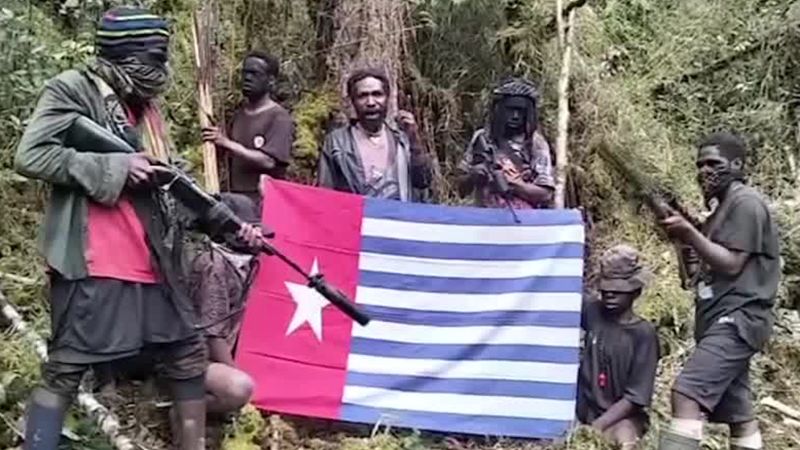
Sebby Sambom reiterated that the killing of Nicholas Gosselin was a direct response to the military’s continued presence in the region. “The attack was a message to the Indonesian and U.S. governments for failing to address the root causes of the conflict between our forces and the military,” he said. The TPNPB’s use of symbolic gestures, such as raising the “Morning Star” flag—a emblem of independence—during the incident, reinforces their determination to assert their cause on the global stage.
Broader Implications for Papua and International Relations
The death of an American pilot in Papua adds to the list of casualties in the region’s prolonged struggle. Separatist groups have increasingly used foreign nationals as pawns in their campaigns, aiming to highlight the conflict’s international dimensions. The U.S. embassy in Jakarta, however, has not yet responded to inquiries about the incident, leaving questions about the country’s stance on the situation in Papua.
Analysts note that the TPNPB’s actions are part of a larger effort to escalate pressure on both Jakarta and its allies. The group’s claim that the attack was a response to the military’s “violation” of their ultimatum underscores the complex dynamics of the conflict. While the Indonesian military has maintained a strong presence in Papua, the rebels argue that their efforts are justified as a fight for self-determination. The recent events have reignited debates about the region’s autonomy and the role of foreign involvement in the conflict.
The TPNPB’s video footage of the attack, released alongside the pilot’s death, shows rebels armed with guns and axes, raising the “Morning Star” flag as they announce the incident. The imagery serves as both a warning and a rallying point for supporters of the independence movement. As the investigation into the pilot’s killing continues, the situation in Papua remains volatile, with the potential for further incidents that could impact regional stability and international relations.
With the conflict in Papua intensifying, the plight of foreign pilots like Nicholas Gosselin has become a focal point for critics of the Indonesian military’s policies. The TPNPB’s ultimatum, which demands the withdrawal of military forces from rebel-controlled areas, remains unmet, fueling the group’s resolve. The killing of Gosselin is a stark reminder of the risks faced by those involved in the region’s logistics and the broader implications of the separatist movement’s growing assertiveness.
As the search for the perpetrators of the attack continues, the incident has sparked renewed calls for dialogue between the Indonesian government and the separatist factions. However, the TPNPB’s leaders remain defiant, vowing to escalate their efforts until their demands are met. The death of the American pilot not only highlights the ongoing violence but also underscores the delicate balance between military operations and the civilian population in Papua.
