
US Postal Service cannot carry out Trump order on mail ballot delivery, judge rules
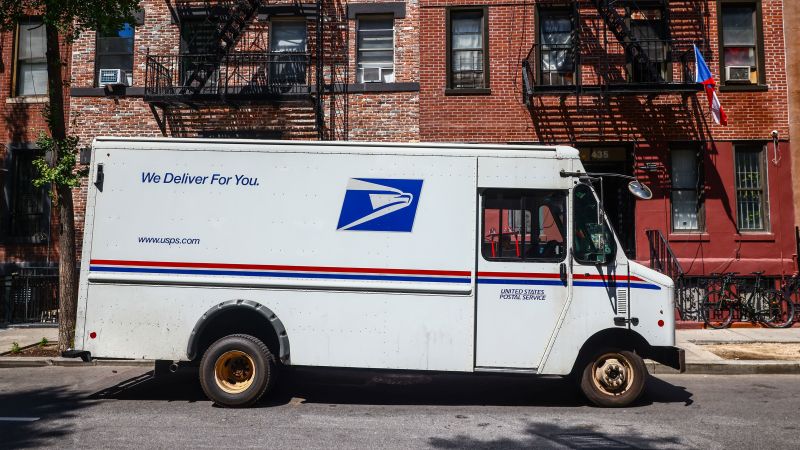
US Postal Service Cannot Execute Trump’s Mail Ballot Directive, Federal Judge Halts Implementation
US Postal Service cannot carry out Trump – In a pivotal legal decision, US District Judge Emmet Sullivan has ruled that the Postal Service cannot proceed with President Donald Trump’s executive order mandating changes to mail ballot delivery processes. The order, issued in March 2026, sought to alter how the US Postal Service handles mail-in voting, but Sullivan’s ruling found the proposal to conflict with a 2020 settlement agreement. The case, which was originally filed by the NAACP against the Postal Service, centers on policy adjustments that slowed mail delivery during the 2020 pandemic elections. The settlement required the agency to publish guidance documents outlining its approach to prioritizing “the monitoring and timely delivery of Election Mail,” and gave the court authority to oversee its implementation.
Trump’s Directive Sparks Nationwide Legal Challenge
Under Trump’s order, the Postal Service was directed to deliver mail ballots only to states that provided specific voter lists and adhered to certain conditions for their mail voting programs. The directive aimed to ensure that ballots were sent to voters in states that met “compliance criteria,” including submitting certified lists of mail-in voters. However, this requirement has been criticized for potentially limiting ballot access, especially in states with fewer resources to update their voter databases. A previous ruling by a Boston judge had already paused the order in 24 states that challenged it, but Sullivan’s decision extends the block to all 50 states.
Sullivan’s opinion emphasized that the proposed regulations would prevent the Postal Service from delivering ballots to voters whose mail-in voting programs did not align with Trump’s requirements. “The Proposed Rule violates paragraph 2 of the Agreement because the Postal Service cannot post documents reflecting ‘practices and policies for prioritizing the monitoring and timely delivery of Election Mail’ if its policies provide that it will not accept ‘noncompliant mailing’ and therefore will not deliver mail-in or absentee ballots to some voters,” the judge wrote. This means the agency’s new policies would effectively prioritize compliance with Trump’s order over the timely delivery of ballots, raising concerns about voter disenfranchisement.
Barcodes and Voter Lists: New Requirements for Election Mail
Trump’s executive order also introduced a requirement for individualized barcodes on mail ballot envelopes, enabling automated tracking. While this feature is considered a best practice for election oversight, it poses logistical and financial challenges for many jurisdictions. Implementing the barcode system would necessitate additional costs for printing and scanning, which some local governments may struggle to cover. Furthermore, the order mandates that the Department of Homeland Security compile lists of voting-age citizens from federal databases, a process that could be used to target voters for purges. Critics argue that this practice might lead to the removal of eligible voters from rolls, particularly in states with a history of restrictive voting laws.
These changes have drawn attention to the potential for federal intervention in state-level election procedures. If the order is enforced, it would grant the government an unprecedented role in overseeing mail ballot distribution, potentially shifting responsibility away from state election officials. The implications of this could be significant, especially in states where mail voting is a critical tool for voter participation. Sullivan’s ruling highlights the tension between ensuring election integrity and maintaining access to the ballot box, a debate that has intensified since the 2020 election.
NAACP Celebrates Ruling as a Victory Against Election Manipulation
NAACP President Derrick Johnson hailed the decision as a major setback for Trump’s efforts to influence the electoral process. “This ruling in favor of the NAACP’s case marks another major blow to Donald Trump’s attempt to rig the election,” Johnson stated in a
“The President is failing, and the people are winning.”
The organization had argued that the Postal Service’s policies under Trump’s directive threatened to suppress votes, particularly among minority and low-income communities. The lawsuit, which was initially filed in 2020, focused on how the agency’s decision to reduce delivery hours and delay mail processing could affect ballot access during the pandemic.
The 2021 settlement agreement between the Postal Service and the NAACP was designed to address these concerns. It required the agency to create clear guidelines for managing election mail, ensuring that it was delivered efficiently. Sullivan’s ruling now reinforces those guidelines, preventing the Postal Service from adopting policies that could undermine their effectiveness. The judge’s decision also underscores the importance of judicial oversight in maintaining fair election practices, even as political figures attempt to reshape them.
Broader Implications for Electoral Processes
Trump’s order represents a broader strategy to exert control over the voting process. By requiring states to submit voter lists and meet specific compliance standards, the directive aims to identify and potentially exclude voters who might cast ballots in ways that challenge his administration’s narrative. The addition of barcodes and federal database integration adds another layer of surveillance, making it easier to track individual voting patterns. Critics warn that this could be used to justify aggressive voter purges, particularly in states where Republican leaders have previously sought to limit ballot access.
The ruling has sparked discussions about the balance between federal oversight and state autonomy in elections. While some argue that increased federal involvement is necessary to prevent fraud, others contend that it could lead to overreach and the marginalization of voters. The decision also raises questions about the long-term impact of Trump’s policies on mail ballot systems, which have become a vital part of the electoral landscape, especially in states with large mail-in voting populations.
As the legal battle continues, the Postal Service has been contacted by CNN for comment on the new ruling. The agency’s response could influence future debates on how mail ballots are managed. Meanwhile, the NAACP and its allies are preparing to further challenge the order, arguing that its implementation would disproportionately affect communities of color and other marginalized groups. The judge’s decision has already set a precedent, but the fight over election procedures is far from over.
The case highlights the ongoing struggle between ensuring election accuracy and preserving the right to vote. With mail ballots playing a central role in the 2026 election cycle, the ruling by Sullivan has added a critical layer of protection against potential manipulation. As the Postal Service recalibrates its approach, the focus remains on how these changes will shape the democratic process moving forward. The decision not only reaffirms the importance of judicial review but also underscores the significance of mail ballot systems in modern elections.
Looking Ahead: Legal and Political Reactions
Legal analysts and political commentators have expressed mixed reactions to the ruling. Some see it as a necessary safeguard against interference in the electoral process, while others believe it could be overturned on appeal. The case has also reignited debates about the role of the Postal Service in national elections, with advocates emphasizing its historical importance as a neutral institution. Trump’s directive, however, seeks to redefine that neutrality by aligning the agency’s operations with his political goals.
The NAACP and its legal team have stated that they will continue to push for stricter oversight of the Postal Service’s mail delivery practices. They argue that the settlement’s terms were violated by Trump’s order, which prioritized compliance over accessibility. Meanwhile, state election officials are evaluating the impact of the ruling on their own mail ballot programs, considering whether to adopt or reject the proposed changes. The outcome of this case could have lasting effects on how votes are counted and how voter data is used in the lead-up to future elections.
As the legal landscape evolves, the focus remains on ensuring that every vote is counted fairly and efficiently. Sullivan’s decision serves as a reminder of the power of the judiciary to check executive authority, particularly in matters affecting the democratic process. The battle over mail ballot systems continues, with the NAACP and other civil rights groups at the forefront of efforts to protect voter rights. For now, the Postal Service is on hold, unable to fully implement Trump’s directive without further legal adjustments.
