
Facing drama and politics, Essence Fest looks to make a comeback
Facing Drama and Politics, Essence Fest Looks to Make a Comeback
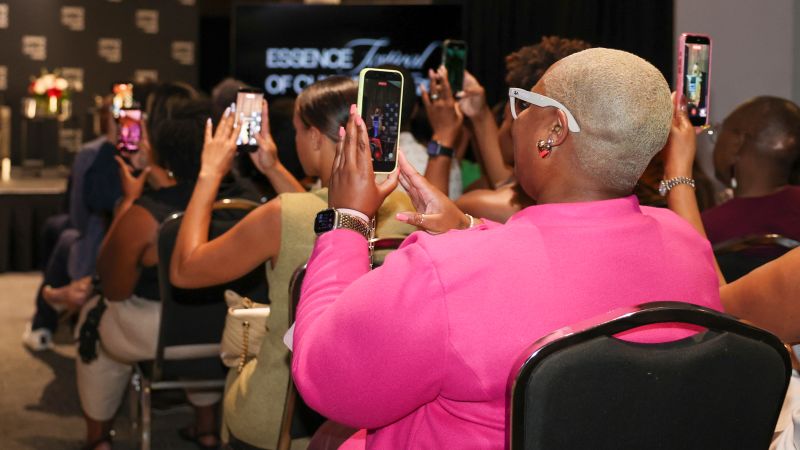
Facing drama and politics Essence Fest – As the Fourth of July weekend approaches, New Orleans is once again set to host a vibrant gathering of Black excellence, drawing tens of thousands of attendees. The festival, which has become a hallmark of cultural celebration for the African American community, will feature appearances by prominent figures like Michelle Obama and performances by artists such as Cardi B and Patti LaBelle. Visitors will engage in networking, shopping, and savoring the city’s rich culinary heritage. Yet, this year’s event arrives amid heightened scrutiny, both for the magazine *Essence* and the broader societal landscape. The festival, which has been a staple since 1995, now faces questions about its ability to retain its core identity in the face of growing political and cultural tensions.
A Shift in Focus and Values
Once regarded as the premier celebration of Black culture, the Essence Festival of Culture has seen its reputation challenged in recent years. Concerns about disorganization and a perceived departure from its original mission have grown, particularly after the 2025 edition left many attendees feeling let down. Social media platforms were flooded with complaints about late performances, logistical hiccups, and a sense that the festival was no longer aligned with the values of its traditional audience. These criticisms intensified following a controversial partnership with Target, which came at a time when the retail giant had faced backlash for what some saw as a rollback of its diversity, equity, and inclusion (DEI) initiatives.
“It’s the aunties who hold the culture,” said Deja Zhane, a beauty influencer and vocal critic of the festival’s direction. “And if it’s no longer centering older women or those who were here before, what is this becoming?”
Zhane’s frustration echoed that of many who felt the event was evolving into something less authentic. Her viral video last year highlighted what she described as a deliberate shift toward appealing to a global audience, at the expense of its African American roots. This sentiment was shared by others, including Rachel L. Grant, an associate professor at the University of Florida’s College of Journalism and Communications. Grant had long anticipated the festival as a space “tailored to encapsulate the multifaceted dimensions of Black society, culture, and history,” but recent editions seemed to stray from that purpose.
The festival’s challenges are not isolated to its cultural mission. In Louisiana, a newly approved congressional map has removed one of the state’s two majority-Black House districts, raising questions about the political priorities of the region. For some, this development has underscored the importance of events like Essence Fest as platforms for Black voices. However, the 2025 edition, marked by delays and disarray, may have unintentionally highlighted these broader tensions. Grant recounted leaving a late-night concert around 2:30 a.m., frustrated by the headliners Master P and Boyz II Men performing far later than expected, a moment she described as the “apex of annoyance” during an already exhausting experience.
Economic Impact and the Weight of Expectations
Despite these hurdles, the Essence Festival remains a significant economic force. Organizers reported that the 2024 event generated over $321 million in economic impact, contributing $182.6 million to the regional GDP and supporting more than 2,400 jobs. These figures underscore the festival’s role in attracting visitors and boosting local businesses. But the pressure to meet expectations has never been higher. As attendees like Zhane pointed out, the event has long been a symbol of Black excellence, and its failure to uphold that promise could have far-reaching consequences.
The 2025 edition’s shortcomings sparked a wave of online critiques, with some arguing that the festival had lost its way. While not as chaotic as the Fyre Festival, the lack of organization and responsiveness to audience concerns left many feeling the event was underperforming. For a magazine like *Essence*, which has historically been a trusted source for Black women, this perception could threaten its relevance. The festival’s organizers, however, have emphasized their commitment to revitalizing the event, hoping to restore the goodwill that was eroded in the previous year.
Legal Battles and a Question of Legacy
The debate over Essence’s direction has also spilled into legal territory. In 2020, an anonymous article published on Medium titled “The Truth About Essence” accused the magazine’s leadership of prioritizing profit over purpose. The piece targeted Richelieu Dennis, the entrepreneur who acquired *Essence* from Time Inc. in 2018, and called for his resignation. The writers argued that the magazine had been “hijacked by cultural and corporate greed,” leading to a breakdown in its commitment to Black women. This controversy laid the groundwork for ongoing discussions about the festival’s identity and its alignment with the values of the community it serves.
Organizers have defended their decisions, including the Target partnership, by citing the need to expand the festival’s reach and relevance. Yet, for many, the collaboration felt like a compromise. The partnership came shortly after Target had faced a boycott over its perceived shift away from DEI policies, which made the decision seem contradictory to the magazine’s mission. As Zhane noted, the festival’s focus on global appeal could risk alienating its traditional audience, particularly those who have long been central to its cultural significance.
The festival’s 2026 iteration will serve as a critical test of its ability to navigate these challenges. With attendees spending thousands on tickets, travel, and accommodations, the stakes are high. The success of the event could determine whether Essence Fest is merely weathering a temporary slump or entering a deeper transformation. For Grant, the festival represents more than entertainment—it’s a space where Black women’s experiences and aspirations are amplified. “The Essence brand promise is fraudulent,” the anonymous writers of the 2020 Medium piece had claimed. “The once exalted media brand dedicated to Black women has been hijacked by cultural and corporate greed.” As the 2026 edition begins, the question remains: has the festival found a way to reconcile its past with its future, or is it struggling to redefine itself in a changing cultural landscape?
With a long history as a cultural touchstone, the Essence Festival of Culture has always been more than a celebration of music. It’s a gathering that brings together the threads of Black beauty, wellness, film, literature, and more, all under one roof. For years, it had been a beacon for those seeking representation and connection. But as the 2026 event approaches, the festival must prove it’s still a beacon worth following. The coming days will reveal whether Essence Fest is emerging from a midlife crisis or laying the groundwork for a new era of cultural significance.
