
Cruel summer: Punishing heat waves hit Europe, US, with a preview of what’s to come
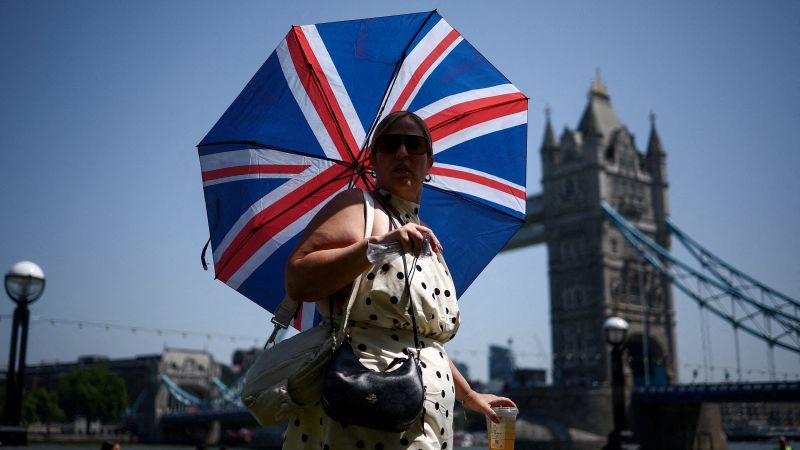
Cruel Summer: Record-Breaking Heat Waves Test Europe and the U.S.
Cruel summer – As summer barely begins in the Northern Hemisphere, the world is already witnessing a harrowing glimpse into the future of a warming planet. Europe and the United States are currently grappling with severe heat events, which are intensifying due to rising global temperatures. These episodes, fueled by persistent atmospheric patterns, are serving as a warning of the escalating climate challenges ahead.
The Devastating Heat Wave Pattern
Europe has faced two lethal heat waves in recent weeks, with a third forecasted to arrive soon. Meanwhile, the U.S. is battling its own wave of intense heat, particularly in the eastern regions, where temperatures and humidity levels are reaching alarming heights. Such extreme conditions are attributed to heat domes—massive areas of high pressure that stagnate hot air and create prolonged periods of searing weather. Scientists emphasize that these phenomena are not merely coincidental but are amplified by the ongoing effects of climate change.
El Niño and Ocean Temperatures
Experts suggest that the strengthening of El Niño, coupled with record-high ocean temperatures, is exacerbating the intensity of these heat waves. “Record sea surface temperatures, which are partly due to El Niño and partly to human-driven warming, increase the likelihood of extreme weather events,” said Michael Mann, a climate scientist at the University of Pennsylvania. He explained that warmer oceans contribute to higher atmospheric moisture, which can intensify storms and lead to heavy rainfall. This same moisture also plays a role in fueling heat extremes, making them more severe and frequent.
“Record global [ocean] temperatures also mean more extreme heat,” Mann added.
El Niño, a climate pattern characterized by warmer-than-average sea surface temperatures in the Pacific, is known to elevate global temperatures. It was officially declared on June 11, marking it as a recent and ongoing weather phenomenon. While its direct impact on summer weather in Europe and the U.S. is less pronounced, its effects are typically felt later in the year, during the fall and winter months. However, Kim Cobb, a climate scientist at Brown University, noted that this particular El Niño is unique in several ways, potentially altering its usual influence.
El Niño’s Unusual Impact
Cobb highlighted that although El Niño isn’t strongly linked to large-scale summer heat waves, the current event is occurring in a climate that is fundamentally warmer than previous decades. “This El Niño is unusually large for this early in the year, and it is happening in a warmer climate, which is different from what we’ve seen before,” she said. The combination of these factors may lead to outcomes that diverge from historical patterns, offering new insights into how El Niño interacts with a changing environment.
Michael Tippett, a climate scientist at Columbia University specializing in El Niño’s weather effects, pointed out that while El Niño typically shapes fall and winter conditions, its role in summer extremes is less certain. “On average, there’s no strong connection between El Niño and summer weather patterns in these regions,” he stated. Nonetheless, the current El Niño’s unusual strength and timing could result in more pronounced effects, including heightened heat events in the coming months.
Jet Stream and Atmospheric Patterns
Another key element in recent extreme heat events is the jet stream, a fast-moving air current that guides weather systems across the globe. Mann and his research team have identified how the jet stream’s behavior contributes to these heat waves. When it adopts a highly undulating and sluggish pattern, it can trap warm air in place, leading to heat domes that persist for days or weeks. “The jet stream’s tendency to stabilize into wavy configurations during the warm season favors prolonged weather extremes,” Mann explained.
The formation of heat domes often occurs where the jet stream bends northward, creating a high-pressure system that channels hot air from the south toward the north. This dynamic results in extreme temperatures that challenge ecosystems and human populations. The recent European and U.S. heat waves exemplify how such atmospheric patterns can produce devastating outcomes, even in regions not typically associated with the most severe summer conditions.
Implications for the Future
As the climate continues to warm, heat waves are expected to become more frequent, intense, and long-lasting. The current El Niño, which is anticipated to peak in 2027, could further accelerate this trend. “Even if El Niño is only a minor contributor now, it’s likely to play a major role by next summer,” Mann predicted. This could result in an increase in global heat extremes, compounding the challenges posed by climate change.
The study of these events is crucial for improving climate models and understanding the complex interactions between natural weather patterns and human-induced warming. Each heat wave provides valuable data, helping scientists refine predictions and adapt strategies for mitigating future risks. For instance, the latest analysis of Europe’s recent heat wave revealed that such temperatures would have been “virtually impossible” just a few decades ago, when the effects of climate change were less severe.
“Make no mistake, the primary driver for the rise in deadly heat waves worldwide is the burning of fossil fuels,” Kim Cobb stated. “A small increase in baseline warming can lead to a dramatic surge in extreme heat events.”
As these heat waves reshape the climate landscape, their impacts on public health, agriculture, and energy systems are becoming increasingly evident. The European heat wave, which has now begun to ease, and the U.S. event, still escalating, underscore the urgency of addressing global warming. With El Niño expected to contribute to record-breaking temperatures in 2027, the coming years may hold even more extreme weather, demanding immediate and sustained action to reduce greenhouse gas emissions.
For real-time updates on heat forecasts, visit CNN Weather for iPhone users. The combination of early summer heat waves, El Niño’s influence, and shifting atmospheric patterns is creating a climate scenario that highlights the growing threat of extreme weather. As scientists continue to monitor these developments, they emphasize the need for global cooperation to curb the worst effects of a warming planet.
