
Japan is adding a new luxury bullet train upgrade
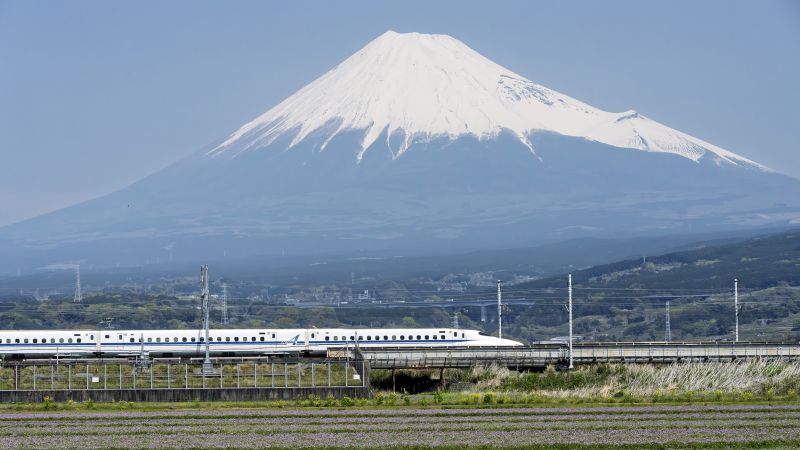
Japan Introduces Premium Bullet Train Experience with Private Cabins
Japan is adding a new luxury – Japan continues to dominate global travel trends, setting new records for tourist influx each year since the pandemic. As demand for high-speed rail travel surges, the country’s railway network is unveiling a groundbreaking luxury option: private cabins aboard the Shinkansen bullet trains. Starting this October, select routes between Tokyo and major cities like Kyoto and Osaka will feature “Supreme Class” compartments, offering travelers an exclusive, in-cabin experience. These private rooms include lockable doors and small sofas, allowing passengers to enjoy personalized comfort during their journeys.
Japan’s commitment to elevating the travel experience extends beyond just private cabins. A new sleeper car service, Luna Azul (Spanish for “blue moon”), is set to launch next year on the Tohoku route, which connects Tokyo to northeast Japan’s Aomori and Akita prefectures. This service will introduce lie-flat seats, providing a more restful option for long-distance travelers. The Luna Azul initiative aims to blend comfort with cultural appeal, as its name nods to the region’s scenic landscapes and serene atmosphere.
However, Japan’s tourism upgrades come with a twist. The “sayonara tax,” a fee imposed on departing tourists, is set to increase significantly. Effective July 1, the tax will rise from ¥1,000 (approximately $6) to ¥3,000 ($18.50). According to the Japanese government, the funds will support infrastructure development, including transportation and public facilities. While the tax may raise eyebrows, it reflects the country’s efforts to sustain its position as a premier travel destination amid rising visitor numbers.
Global Heat Waves Complicate Travel Plans
Amid these changes, travelers worldwide are grappling with the effects of record-breaking temperatures. The summer solstice, which occurred this week, has already felt like the height of the season in Europe, Asia, and the United States. Heatwaves are altering vacation schedules, with many opting to visit outdoor attractions earlier in the day to avoid peak sun. Experts recommend taking frequent breaks and staying hydrated through a combination of water, watermelon, and grapes, which retain moisture more effectively than traditional snacks.
One of the enduring summer staples, ice cream, faces a new challenge: melting. In Turkey, locals have found a solution in dondurma, a stretchy, chewy dessert that resists dripping. The treat, which has gained international attention, comes in vibrant Mediterranean flavors like pistachio and sour cherry. This innovative approach to ice cream highlights how cultural adaptations are helping travelers cope with the heat, even as they navigate unpredictable weather patterns.
Palau’s Unique Attractions Draw Few but Fascinating Visitors
While Japan modernizes its infrastructure, Palau, a small island nation in the northern Pacific Ocean near Taiwan and the Philippines, remains a hidden gem. The country welcomes only a few thousand tourists annually, thanks to its remote location and unique offerings. One of its most iconic attractions is a crater lake teeming with rare, non-toxic jellyfish that have become a symbol of the country’s natural beauty. These creatures, often seen as desktop wallpaper by tech enthusiasts, are a testament to Palau’s ecological wonders.
Palau’s historical significance also adds depth to its appeal. During World War II, the island of Peleliu was a key battleground in the Pacific Theater. The U.S. military launched a multi-week siege to reclaim the island, resulting in thousands of casualties on both sides. Today, visitors can explore Peleliu’s cave systems and examine remnants of wartime equipment, such as tanks and cannons, still in place. This blend of history and nature makes Palau a compelling destination for those seeking a more offbeat travel experience.
Busan’s 20th-Anniversary Sand Art Festival Captivates Art Enthusiasts
On the other side of the globe, South Korea’s southern city of Busan is celebrating its 20th year of a vibrant sand art tradition. Every summer, Haeundae Beach transforms into a canvas for creative expression, with artists crafting intricate sculptures from the very sand that defines the coastline. This year, CNN had the opportunity to meet a veteran sand sculptor, who shared insights into the process of shaping towering structures from grains of sand. “It’s about patience and precision,” the artist said, emphasizing how each piece is a labor of love.
The festival’s anniversary edition features larger-than-usual installations, showcasing the evolution of the craft over two decades. From abstract forms to lifelike depictions of marine life, the works highlight the intersection of art and nature. As Busan’s reputation as a cultural hub grows, the event serves as a reminder of the city’s ability to blend tourism with local heritage. For those attending, the experience is not just visual but also deeply immersive, offering a glimpse into the artistry of sand sculpting.
Finland’s Midnight Sun Treasure Hunt Offers a High-Stakes Summer Adventure
Finland has launched a novel summer activity to engage tourists: a midnight sun treasure hunt. The initiative invites participants to explore the country’s landscapes during the extended daylight hours of the summer solstice, with a chance to win $23,000 in prize money. This creative approach leverages Finland’s natural phenomenon, where the sun remains visible for 24 hours in northern regions, to encourage adventure and discovery.
“The idea is to turn the endless daylight into an interactive experience,” said an organizer, speaking about the event’s design. “It’s not just about sightseeing—it’s about solving clues and connecting with the environment.” The treasure hunt includes checkpoints in cities like Rovaniemi and Turku, where participants can collect clues tied to local history and folklore. While the prize is a major draw, the event also promotes eco-friendly tourism, urging visitors to appreciate Finland’s pristine nature without leaving a trace.
Global Travel Trends and Their Impact on Visitor Experiences
As travel industries adapt to evolving preferences, the focus on comfort and convenience is evident. Japan’s new premium train services and Finland’s creative summer activities reflect a broader trend toward personalized and immersive experiences. Meanwhile, the rise of the “sayonara tax” underscores the challenges of balancing affordability with sustainability in popular destinations.
The global heatwave also highlights the importance of adaptive travel strategies. Whether it’s Japan’s private cabins or Busan’s sand art exhibits, these innovations aim to enhance the journey while addressing environmental and logistical hurdles. For tourists, the message is clear: the future of travel will blend technology, tradition, and ingenuity to create unforgettable experiences. As the world’s top destinations continue to evolve, travelers must stay informed and flexible to make the most of their adventures.
With each new development, the travel landscape becomes more dynamic. From the luxurious upgrades of Japan’s Shinkansen to the unique charm of Palau’s jellyfish-filled lake, there’s no shortage of opportunities to explore. Whether you’re seeking comfort, history, or adventure, the next season promises to deliver a mix of innovation and authenticity. So, as you plan your next trip, consider how these changes might shape your journey—and be ready to embrace the unexpected.
