
Iran says it hit US targets as tensions over Strait of Hormuz strain agreement
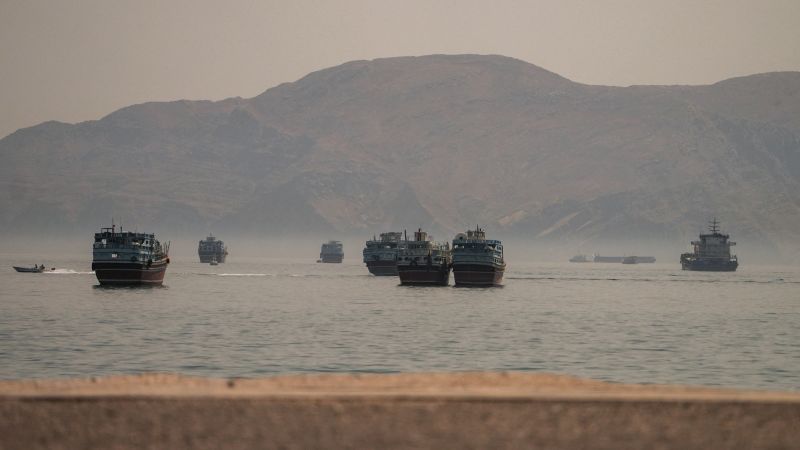
Iran Claims Strikes on US Targets Amid Escalating Hormuz Tensions
Iran says it hit US targets – Iran has announced that it struck American military installations in the Middle East, a move it claims is a direct response to recent US attacks near the Strait of Hormuz. The escalation, which occurred as both nations grapple with maintaining their fragile agreement, has raised concerns about the stability of diplomatic efforts aimed at easing regional hostilities. Iranian state media reported that the Revolutionary Guards launched the strikes, marking a significant development in the ongoing conflict. The US military has yet to confirm these actions, but the incidents have reignited fears of renewed hostilities in the strategic waterway.
Strait of Hormuz: A Critical Flashpoint
The Strait of Hormuz, a narrow passage through which a large portion of the world’s oil flows, has become the focal point of the current tensions. Iran’s attacks, which reportedly targeted US military positions, come just days after the United States conducted strikes on Iranian assets in the same area. The US Central Command stated that its aircraft had hit Iranian missile and drone storage sites, as well as coastal radar installations. These actions, according to the military, were a necessary response to Iran’s aggression against commercial vessels.
Meanwhile, the United Kingdom Maritime Trade Operations confirmed that an unidentified projectile struck a tanker in the strait on Saturday, causing damage but no casualties. The incident has prompted the Joint Maritime Information Center (JMIC) to elevate the threat level in the region to “substantial,” signaling heightened risks for maritime traffic. The JMIC, which is managed by the US Navy, cited the attacks on merchant ships as the reason for this escalation. However, the center also noted that a new route near Oman has been established to increase the flow of ships in both directions, indicating a possible US effort to counter Iran’s influence over the waterway.
“The unwarranted aggression against commercial shipping by Iranian forces clearly violated the ceasefire,” said CENTCOM in its statement.
Bahrain, a key ally of the US, reported drone attacks on its territory early Saturday morning, further complicating the situation. The country’s foreign affairs ministry condemned the strikes as a “flagrant violation of Bahrain’s sovereignty,” highlighting the regional impact of the conflict. While the exact targets of these attacks remain unclear, the incidents underscore the growing unpredictability of the situation. Tehran has not yet issued a formal response to the accusations, leaving the situation in limbo.
A Fragile Peace Deal Under Pressure
The current crisis has put strain on the recently signed memorandum of understanding between the US and Iran, which was intended to pave the way for a lasting peace. The agreement, announced last week, aims to gradually restore normal marine traffic through the strait, a vital corridor for global oil transportation. However, the back-and-forth attacks have cast doubt on its effectiveness. The US has emphasized that the strikes do not signal a return to major combat operations, at least for now. A US official told CNN that the recent actions are more about tactical retaliation than full-scale conflict.
Vice President JD Vance, a central figure in the negotiations of the agreement, remarked Friday evening that “violence will be met with violence.” This statement reflects the tough stance being taken by both sides, with Iran asserting its right to protect its interests and the US defending its presence in the region. The agreement also includes provisions for Iran to make “arrangements using its best efforts” to ensure the safe passage of commercial vessels. Yet, the lack of clear guidelines on fees for passing ships has created ambiguity, with the Trump administration insisting the strait will remain toll-free, while Iran maintains it has the authority to charge tolls.
“US aircraft struck Iranian missile and drone storage locations and coastal radar sites,” stated CENTCOM.
The recent events are part of a broader pattern of escalation that began with an Iranian attack on a commercial vessel near the strait on Thursday. President Donald Trump called this strike a “foolish violation” of the agreement, which was designed to end the war with Iran. The incident has sparked debates about the commitment of both nations to the peace deal, with some analysts warning that the agreement’s survival depends on the ability to de-escalate tensions quickly.
Regional Implications and Global Concerns
The Strait of Hormuz remains one of the world’s most critical shipping chokepoints, and its instability has far-reaching consequences for global energy markets. The recent strikes have disrupted the delicate balance of power in the region, prompting calls for increased vigilance by international shipping companies. The UKMTO’s report on the tanker attack has added to the urgency, as it highlights the vulnerability of commercial vessels to attacks from unknown sources. While the US has not confirmed the attacks, its military presence in the area is being reinforced, with the JMIC coordinating efforts to monitor and mitigate threats.
Iran’s actions have also intensified concerns about the future of the peace deal. The agreement, while a significant breakthrough, lacks detailed mechanisms to address disputes over maritime access. As both sides continue to test each other’s resolve, the situation could either solidify the agreement or unravel it. The US and Iran are now engaged in a delicate dance of diplomacy and military posturing, with each move potentially altering the trajectory of their relationship. Analysts suggest that the next few weeks will be crucial in determining whether the peace deal can withstand the pressure of escalating tensions.
As the conflict unfolds, the international community watches closely. The US has reached out to the White House and CENTCOM for further comments, indicating a desire to clarify the situation. Meanwhile, Iran’s Revolutionary Guards are likely to continue asserting their dominance in the region, with the potential for more strikes in the coming days. The world’s energy supply and regional security are now at the mercy of these developments, as the fragile peace between the US and Iran faces its most significant test yet.
With the Strait of Hormuz serving as a battleground for geopolitical influence, the situation remains volatile. The US and Iran are navigating a complex landscape of mutual accusations and strategic maneuvers, all while trying to maintain the terms of their agreement. The memorandum of understanding, though a step toward peace, may require more than just words to ensure its success. The immediate actions of both nations will set the tone for the future of their relationship and the stability of the region.
