
King Charles will not live in Buckingham Palace after costly refit, reveals $17 million tax bill
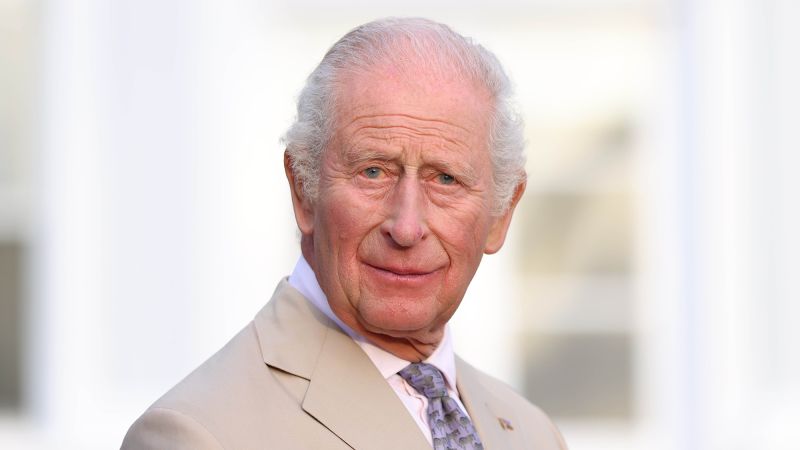
King Charles III to Move Beyond Buckingham Palace Following Major Renovation
King Charles will not live in Buckingham – Following the completion of a decade-long transformation of Buckingham Palace, royal sources have announced that King Charles III will no longer make the iconic London estate his main residence. The decision marks the end of a tradition that has spanned over 180 years, as the palace will retain its role as a symbol of the monarchy rather than a private home. This shift comes alongside the revelation that the monarch paid £12.9 million ($17.04 million) in taxes during the 2024/25 fiscal year—a figure that has not been publicly shared before.
The palace, which has hosted royal events for generations, will continue to serve as the central hub for ceremonial and official duties. However, King Charles will relocate to Clarence House, his longtime London residence, once the £369 million renovation concludes next year. The project, which began in 2017, includes modernizing outdated electrical systems, plumbing, and heating infrastructure. Officials initially anticipated the palace would remain the monarch’s primary residence, a status it held since Queen Victoria’s reign in 1837.
Monarch’s Tax Contributions and Financial Transparency
The disclosure of Charles’s tax payment follows a broader push by the royal family to enhance financial accountability. Since the passing of Queen Elizabeth II in 2022, public interest in the monarchy’s finances has surged, prompting officials to share more details about their expenditures. Charles’s voluntary tax contributions, which amount to £12.9 million in 2024/25, place him among the top 100 taxpayers in the United Kingdom. This move signals a commitment to greater openness, though the exact figures were only revealed recently.
Charles’s financial situation is supported by a private income from the Duchy of Lancaster estate, which generated £25.2 million in 2025/26. Alongside this, he also benefits from royal assets and investments. According to James Chalmers, the king’s treasurer and custodian of the privy purse, Charles paid £11.7 million in taxes during the previous fiscal year and has contributed more than £30 million since ascending the throne in 2022. Additionally, he receives the Sovereign Grant, a government-funded allowance used to cover staff salaries, palace maintenance, and travel expenses. This grant is set to decrease to £100 million in 2027/28, a move aligned with the king’s preference for more controlled spending.
“It is and will remain monarchy HQ, the crown jewel of our national buildings, with the sovereign’s standard flying proudly from the roof whenever his majesty is in London,” said Chalmers when addressing the public impact of the renovation.
Despite the palace’s future as a ceremonial site, Charles will maintain private quarters within its walls, which could be used for temporary accommodation. The renovation is expected to boost public access, though specific plans for visitor engagement remain undisclosed. Annual attendance at the palace is projected to remain steady, with around 700,000 people expected to visit each year, reflecting its enduring status as a cultural landmark.
Monarch’s Tax Payments and Criticism of Royal Finances
While the British king is not legally required to pay income, capital gains, or inheritance tax, Charles has chosen to do so voluntarily, a practice his mother, Queen Elizabeth II, continued after 1993. The recent tax figures underscore the monarchy’s financial obligations and highlight the king’s personal contributions to public coffers. This transparency comes amid ongoing scrutiny of the royal family’s spending, particularly in light of their use of private residences and properties.
Charles’s financial decisions have drawn both support and skepticism. The £12.9 million tax payment in 2024/25, combined with the previous year’s £11.7 million, reflects his efforts to align with modern fiscal expectations. However, the royal family’s financial arrangements remain a topic of debate. For instance, Prince William, the current heir to the throne, paid £7.76 million in taxes during the same period. His office revealed that £1.5 million from a former prison’s rent was allocated to the local community, an action intended to address concerns about the monarchy’s profits from public institutions.
The cost of maintaining royal assets has also been a point of discussion. The £369 million Buckingham Palace refit, which is now nearing completion, has significantly impacted the Sovereign Grant. Originally, the funding formula was adjusted to cover the renovation’s expenses, resulting in a £60 million increase compared to 2016. Chalmers emphasized that the monarchy’s financial decisions are guided by proportional allocations, stating, “This is not a blank cheque,” to reassure the public of fiscal responsibility.
Legacy and Future of the Palace
Buckingham Palace has long been a focal point of British national identity, and its continued use as a ceremonial space ensures its relevance. Chalmers noted that the palace will remain a vital part of the monarchy’s operations, hosting events such as the annual Trooping of the Colour, which celebrates the king’s official birthday. Thousands of spectators gathered outside the palace to witness the 2026 parade, underscoring its enduring popularity and symbolic importance.
Although the monarch will no longer reside there, the palace’s historical significance is preserved through its role in state functions. The king’s decision to move to Clarence House has been met with mixed reactions, as some view it as a necessary adjustment to modernize the monarchy’s financial practices, while others see it as a symbolic retreat from the traditional royal image. The renovation project, which has transformed the building into a more functional and accessible space, represents a balancing act between preserving heritage and adapting to contemporary needs.
With the new tax figures and spending plans, the royal family aims to reinforce their commitment to public service. The combination of private income, government support, and voluntary contributions illustrates the complex financial landscape of the monarchy. As the monarchy navigates these changes, the public’s perception of its role in society continues to evolve, shaped by transparency efforts and the ongoing dialogue about accountability and legacy.
