
European heat wave brings in cool cash for Asian air-conditioner makers as sales surge
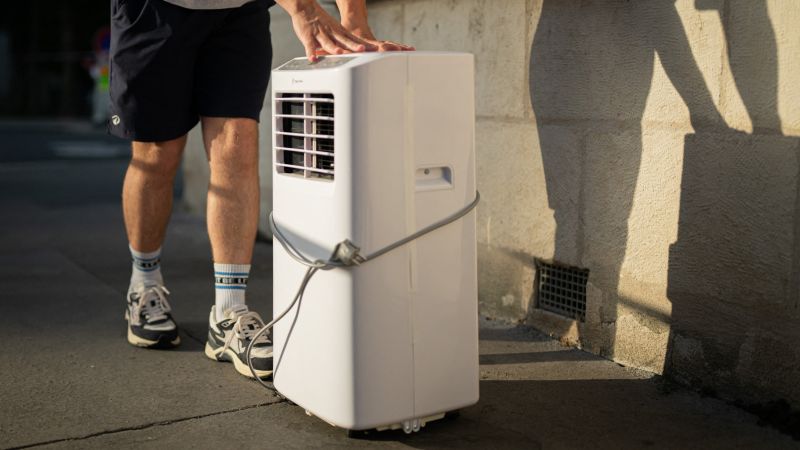
European Heat Wave Sparks Surge in Asian Air Conditioner Sales
European heat wave brings in cool – As sweltering temperatures grip much of Europe, manufacturers from Asia are reaping substantial rewards from the escalating demand for air conditioning. Companies like South Korea’s Samsung Electronics, China’s Midea, and Japan’s Mitsubishi Electric are reporting unprecedented growth in sales, driven by the continent’s struggle to cope with record-breaking heat. This trend highlights how climate extremes are reshaping global markets, particularly for cooling technologies.
Europe’s Cooling Crisis Drives Demand
The current heat wave, marked by temperatures that have soared beyond historical norms, has forced many Europeans to seek alternatives to traditional cooling methods. In major urban centers, air conditioning is already a staple in homes, offices, and public spaces, but its penetration in rural areas and older buildings remains limited. As a result, individuals and businesses are turning to portable units and fixed systems to combat the rising heat, which has led to a sharp increase in purchases across the region.
“With temperatures anticipated to climb even further from June onward, we foresee sustained demand throughout the peak cooling season,” stated Samsung Electronics in a press release to Reuters. The company highlighted that key European markets, including Italy, Spain, and France, have seen double-digit sales growth in the first half of 2026, signaling a transformative shift in consumer behavior.
Similarly, LG Electronics reported that its production lines in South Korea were operating at maximum capacity since April, preparing for “seasonal summer demand” both domestically and internationally. This surge is not limited to Europe; the company noted that global markets are experiencing heightened interest in cooling solutions, particularly as extreme weather events become more frequent.
Portable Solutions Take Center Stage
China’s Midea has emerged as a notable beneficiary of Europe’s cooling needs, with its PortaSplit air conditioner models witnessing a dramatic spike in orders. The company observed that demand for these units has grown so rapidly that second-hand prices have surpassed the cost of new units in some regions. “A heatwave in the last two weeks of May significantly boosted sales, especially for the PortaSplit model, which sold out in multiple distribution channels,” Midea shared with Reuters.
Market data reveals striking increases in May alone. German e-commerce platforms saw a 37% rise in air conditioner sales compared to the previous year, while Spain and France recorded a staggering 108% growth in shipments. These figures underscore the urgency with which consumers are adapting to the changing climate, even if it means investing in more expensive or complex cooling systems.
Installation Challenges in Europe
Despite the growing demand, the lack of widespread air conditioning infrastructure in Europe presents a hurdle. Older buildings, which dominate much of the housing stock in countries like Germany and Italy, often require extensive modifications to accommodate units. This has led to longer wait times and higher costs, with Midea estimating that installation expenses could exceed $1,137 (€1,000) per unit in some cases. For many households, this price point is a barrier to entry, especially as energy bills climb alongside the need for more cooling.
Yet, the situation is evolving. In major cities, companies are prioritizing installations, and some governments are beginning to recognize the importance of expanding cooling access. The International Energy Agency (IEA) reported that Europe’s overall air conditioner ownership rate stands at approximately 20%, a figure that has grown rapidly but still lags behind regions like Asia, where penetration is near universal. This disparity is expected to widen as the continent faces more frequent and intense heatwaves.
Climate Change Accelerates Market Shift
The increasing frequency of heatwaves is a direct consequence of climate change, with the World Meteorological Organization (WMO) noting that Europe is warming at more than twice the global average. This trend has made air conditioning not just a luxury but a necessity for many, especially vulnerable populations such as the elderly and those with chronic health conditions. For these groups, the heat has turned daily life into a challenge, prompting calls for better cooling infrastructure and policies.
Manufacturers are responding to the crisis with innovative measures. In addition to producing more units, some companies are developing specialized products tailored to European needs. For instance, LG Electronics has introduced cooling accessories for delivery staff, including “cool boxes” equipped with reusable towels, water-activated wrist coolers, and UV-protective neck guards. These tools aim to alleviate the discomfort of workers during peak heat periods, while also supporting the broader goal of reducing heat-related health risks.
Global Implications of Europe’s Cooling Demand
The demand for air conditioning in Europe is not only a regional phenomenon but also a global opportunity for Asian producers. With the continent’s climate shifting toward hotter summers, companies are increasingly positioning themselves to capture this market. Mitsubishi Electric, for example, confirmed that sales in Europe have risen sharply, driven by the region’s vulnerability to heat extremes. “In France, Spain, the U.K., and Germany, heatwaves have created a strong appetite for air-conditioning units,” the firm told Reuters, emphasizing its strategic focus on expanding operations in these markets.
As the summer months progress, the cooling industry is projected to see continued momentum. Analysts suggest that this trend could lead to long-term structural changes in Europe’s energy consumption patterns, with air conditioning becoming a more integral part of daily life. Meanwhile, Asian manufacturers are capitalizing on the situation, leveraging their expertise in production and technology to meet the rising demand. This dynamic reflects a broader realignment of global markets in response to climate challenges, with Europe’s cooling crisis serving as a catalyst for growth in Asia’s air conditioning sector.
The implications of this shift extend beyond economics. As Europe grapples with its environmental challenges, the increased reliance on air conditioning highlights the need for sustainable energy solutions. With cooling demand projected to rise, the continent may soon face pressure to invest in renewable energy sources to power its growing reliance on air conditioning. For now, however, the focus remains on meeting immediate needs, as Asian companies continue to thrive amid the continent’s sweltering summer.
