
Quarantine comes to an end for the last of the hantavirus ship passengers in Nebraska
Quarantine Ends for Final Hantavirus-Affected Cruise Passengers in Nebraska
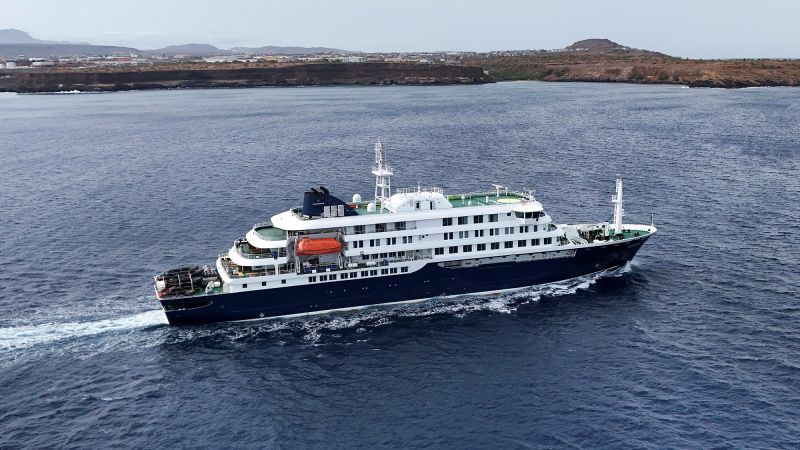
Quarantine comes to an end – After a 42-day stay at a specialized quarantine facility in Nebraska, the last eight American passengers infected with the hantavirus during a rare outbreak on the MV Hondius cruise ship have been released. The U.S. Department of Health and Human Services (HHS) confirmed the conclusion of the quarantine on Monday, marking the end of a public health response that involved a global effort to contain the virus. The ship, which had sailed through the South Atlantic, became the site of a deadly hantavirus outbreak that claimed three lives, including two medical professionals and a Dutch couple believed to be the first individuals exposed to the virus.
Global Evacuation Efforts and Quarantine Measures
Over 120 passengers were evacuated from the MV Hondius in Spain’s Canary Islands just days after the outbreak was identified. Among them, 18 Americans were transported to the National Quarantine Unit in Omaha, Nebraska, for further observation. However, the majority of those evacuated were from other countries. Before the official quarantine order was issued, at least 30 passengers had already left the ship, some of whom were allowed to monitor their health at home. This included seven Americans, who were not required to stay in the facility but were advised to watch for symptoms.
The outbreak, linked to the Andes virus—a strain of hantavirus that can spread between humans in rare cases—highlighted the need for rigorous containment protocols. While hantaviruses typically spread through rodent droppings, the virus’s unusual transmission method posed additional challenges. Health officials confirmed that 13 total cases were identified, with three fatalities reported. The ship eventually docked in the Netherlands, where 25 crew members and two medical staff were also placed in quarantine, further complicating the global response.
A Controversial Decision and Passenger Experiences
One of the American passengers, Angela Perryman, became a focal point of controversy after being held in quarantine against her will. Despite recommendations from a government medical expert, she was ordered to remain in the facility, even as the monitoring period was set to end on Sunday. “We were locked in our rooms until 1:55. And at 2 o’clock, ‘OK, well, everybody walk out and go home,’” Perryman recounted in an interview from her Florida home. She departed that evening on a government-funded flight, joining others who were leaving the facility on Monday.
“Through close collaboration among federal, state, and local partners, HHS helped protect the American people, contain potential risks, and bring this response effort to a successful conclusion,” said HHS spokesperson Emily Hilliard in an email.
Perryman was among the seven patients who remained in the quarantine unit voluntarily, but her case underscored tensions between public health mandates and individual autonomy. The 42-day monitoring period was based on previous outbreaks where symptoms could take up to that long to manifest. While none of the patients developed the illness, the decision to extend the quarantine for some was met with criticism, even from within the health community.
Meanwhile, the National Quarantine Unit at the University of Nebraska Medical Center provided a comfortable environment for the passengers, featuring hotel-like amenities. Rooms were equipped with desks, televisions, internet access, and exercise equipment to help ease the long stay. Local Omaha restaurants and food trucks contributed by delivering special meals almost daily, while nurses occasionally made Starbucks runs to bring favorite drinks to the passengers. These efforts aimed to alleviate the psychological strain of isolation, though the physical separation from family and routine remained a challenge.
Broader Implications and WHO Response
The incident raised questions about the balance between precautionary measures and individual rights. While the HHS and CDC worked together to manage the crisis, some passengers felt their confinement was unnecessary. The World Health Organization (WHO) did not immediately comment on the status of all those who had been quarantined globally, leaving uncertainties about the broader implications of the outbreak.
The MV Hondius had 25 American passengers on board, with about seven disembarking in April and the remaining 18 staying until the outbreak forced their relocation. On May 11, 16 of these passengers were evacuated to Omaha, where they joined two others a few days later. The government covered all transportation costs, ensuring that the quarantine process was as seamless as possible for the affected individuals.
The virus’s ability to spread between people, though rare, added complexity to the outbreak. Health officials noted that the Andes virus had previously been associated with cases where person-to-person transmission occurred, particularly in close quarters. This raised concerns about the potential for further spread even after the quarantine was lifted, though no new cases were reported among the released passengers.
Reflections and the Road Ahead
As the quarantine came to an end, passengers shared mixed feelings. For some, the experience was a test of resilience, while for others, it was a relief to return to normal life. Jake Rosmarin, one of the last to leave, posted a video on Monday morning showing him exiting the quarantine center with two suitcases and a backpack, and turning off the lights as he walked out. “I’m finally coming home,” he said, capturing the moment of release for many.
Despite the successful conclusion of the quarantine, the incident sparked discussions about the effectiveness of containment strategies and the need for clear communication. The HHS emphasized that the measures taken were critical in preventing wider outbreaks, but the controversy surrounding Angela Perryman’s case highlighted the emotional toll of prolonged isolation. As the passengers return to their lives, the focus shifts to monitoring the long-term effects of the virus and learning from this unique outbreak.
The U.S. government’s investment in the evacuation process, including the $750,000 allocated to transport one American passenger from a remote island, demonstrated the commitment to protecting citizens. This financial support ensured that even those stranded in isolated locations could be safely brought to Nebraska for observation. The success of the quarantine unit’s operations, combined with the collaborative efforts of international health agencies, set a precedent for managing future outbreaks in similar settings.
As the MV Hondius continues its journey, the story of the quarantine passengers serves as a reminder of the unexpected challenges posed by infectious diseases. The 42-day period, though lengthy, was a necessary step to ensure that no cases were missed. With the final American passengers now free, the global health community watches closely to see if the virus’s spread has been fully contained. The incident also prompts further research into the Andes virus, its transmission patterns, and the best practices for handling outbreaks on international travel vessels.
In the wake of the quarantine, many passengers expressed gratitude for the care they received. The combination of medical expertise, logistical support, and the compassion of local communities helped turn a stressful experience into a manageable one. As they return home, the lessons learned from this outbreak will likely shape future public health responses, ensuring that both safety and individual needs are prioritized in the face of global health threats.
