
Rash of tornadoes tears through the Midwest, killing at least 2
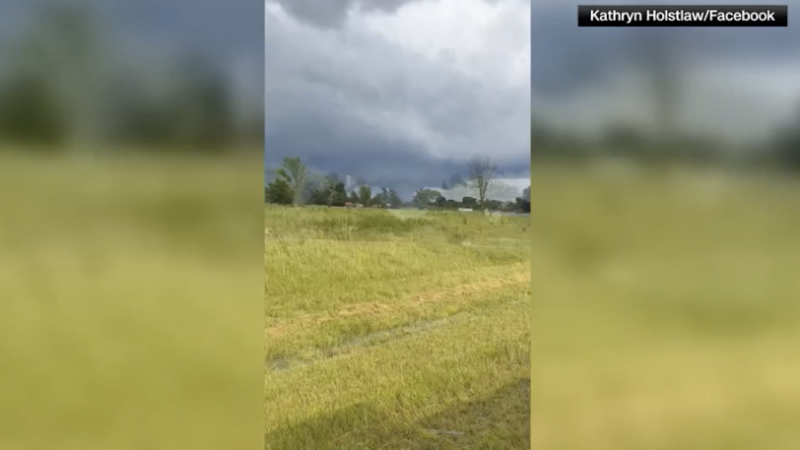
Midwest Tornado Outbreak: New Wave of Destruction
Rash of tornadoes tears through the Midwest – Sunday evening marked the beginning of a significant tornado outbreak stretching across the Midwest, with over 30 reports filed by the Storm Prediction Center. A cluster of supercell thunderstorms moved eastward toward the Ohio Valley, intensifying the region’s storm activity. This follows another wave of tornadoes just four days prior, which devastated infrastructure and left widespread damage in their wake. The previous storm system had already claimed multiple lives, as relentless severe weather swept through the central United States, impacting several states.
Jefferson County: Two Lives Lost
In rural Jefferson County, Illinois, approximately 90 miles southeast of St. Louis, two fatalities were recorded during Sunday’s storms. County Sheriff Jeff Bullard confirmed the deaths occurred in separate mobile homes located roughly two to three miles apart. A third residence was entirely destroyed, and five individuals sustained non-life-threatening injuries before being transported to a hospital. The damage extended to at least 20 homes in the county, according to Deputy Emergency Management Coordinator Keith Hertenstein. Power outages and fallen trees disrupted daily life, forcing some residents to rely on generators or alternative lighting sources.
“Both victims died in mobile homes that were completely torn apart,” said Sheriff Jeff Bullard. “The storms were particularly intense in this area, and we’re still assessing the full extent of the damage.”
Indiana: Homes “Completely Obliterated”
Meanwhile, southern Indiana faced its own devastation as tornadoes swept through the region. Gibson County Sheriff Bruce Vanoven described the destruction as severe, noting that several homes were “completely obliterated.” The storm passed through multiple communities before heading east, leaving behind a trail of rubble. Although no injuries were initially reported, Vanoven warned residents to remain indoors as crews worked to secure the area, citing the risk of downed power lines and debris becoming harder to spot in the dark.
“The storm caused extensive damage in our county, and we’re still cleaning up,” Vanoven stated. “Residents should stay alert, especially as night falls.”
Western Oklahoma: Life-Threatening Conditions
Farther west, a series of thunderstorms from the same system struck western Oklahoma just after midnight CT on Monday morning. Wind gusts exceeded 80 mph, prompting the National Weather Service in Norman to issue a warning: “This is a life-threatening situation with tornado-like wind speeds.” The storms intensified along frontal boundaries left behind by earlier thunderstorms, which had already created unstable atmospheric conditions. As heat and humidity returned during the afternoon, the air quickly became charged, leading to the formation of rotating supercells capable of producing tornadoes, large hail, and damaging winds.
Impact of Repeated Storms
Over the past two weeks, the region has endured multiple rounds of severe weather, compounding the challenges for emergency responders. Heavy rainfall on Sunday night into Monday increased the risk of flash flooding, with a Level 3 out of 4 flood warning active in parts of the Central Plains, middle Mississippi Valley, and Ohio Valley. Streams, already swollen from prior storms, became more prone to overflowing, creating hazardous conditions for communities. The same weather system is projected to extend its reach into the mid-Atlantic and Appalachian regions on Monday, bringing a Level 2 out of 5 risk of severe thunderstorms.
Resilience and Recovery Efforts
Despite the chaos, local authorities are working to stabilize the situation. In Warrick County, neighboring to Jefferson County, a retirement community was hit hard when two roofs collapsed at the Park Place Apartments. Sheriff Mike Wilder reported that a woman was trapped under debris and rescued by emergency personnel, though she and two others suffered minor injuries and opted not to seek medical attention at the scene. “The storm was a major threat to the safety of residents,” Wilder explained. “We’re prioritizing rescue operations and ensuring people have access to shelter.”
“We’ve seen some of the most intense damage in this area,” Wilder added. “The impact on the retirement community is especially concerning, and we’re coordinating with hospitals to provide support.”
Weather Patterns and Future Threats
Weather experts attribute the recent surge in tornado activity to the lingering effects of a complex weather system. The interaction between cold air masses and warm, moist fronts created ideal conditions for supercell development, leading to the formation of multiple tornadoes. The National Weather Service highlighted the volatile nature of the system, emphasizing that the risk of severe weather remains high as it moves east. While Monday’s primary threat involves damaging wind gusts, the possibility of tornadoes cannot be ruled out, especially in areas with elevated risk ratings.
Community Response and Preparedness
Residents across the Midwest are rallying to recover from the latest storm wave. In Jefferson County, community members have begun clearing debris from roads and helping neighbors rebuild. “We’re all working together to get back on our feet,” said Hertenstein. “The resilience of the people here is incredible, but we need continued support from state and federal agencies.” Meanwhile, officials are urging caution as the weather system evolves, with a focus on monitoring rainfall levels and potential for secondary impacts. The ongoing sequence of storms underscores the importance of preparedness, even as the region braces for new challenges ahead.
Looking Ahead: A Developing Story
With the storm system still active, the situation remains fluid. Emergency management teams are on high alert, anticipating further disruptions as the weather continues to shift. CNN’s Amanda Musa contributed to this report, providing updates on the unfolding crisis. The story will be updated as new information emerges, ensuring the public stays informed about the latest developments. As the Midwest grapples with the aftermath of these storms, the focus remains on recovery, safety, and the long-term effects of such extreme weather events.
