Conservatives spent heavily in key Democratic primaries, filings show

Conservatives spent heavily in key Democratic primaries, filings show
Conservatives spent heavily in key Democratic – New federal campaign finance filings reveal that a prominent conservative organization has funneled millions into Democratic primaries through strategically named super PACs, aiming to sway election outcomes in favor of Republican interests. These groups, including Lead Left PAC, Real Change PAC, and Blue California PAC, have been identified as spending substantial resources in critical races, often supporting candidates viewed as less formidable in general elections. The latest data, released Saturday, has confirmed suspicions among national Democrats that such efforts are part of a coordinated strategy to reshape the primary landscape and create more advantageous conditions for Republicans.
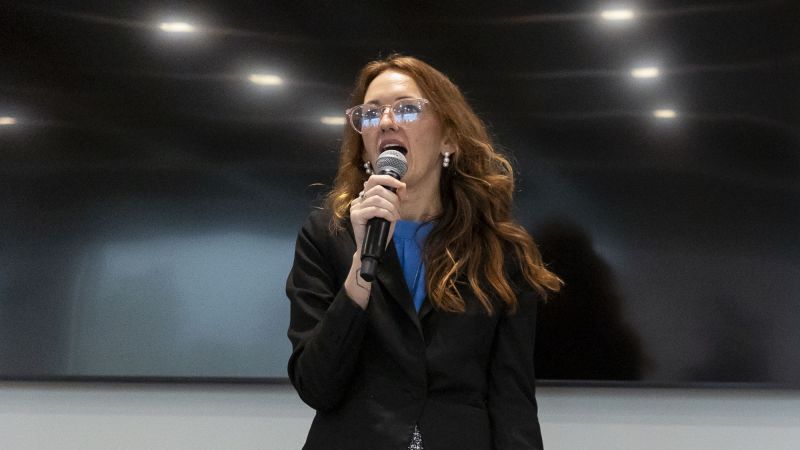
Lead Left PAC, for instance, allocated over $750,000 to promote Maureen Galindo in the Democratic race for Texas’ 35th Congressional District. Galindo, a sex therapist and housing advocate, gained attention for her use of antisemitic rhetoric in criticizing Israel, a stance that sparked controversy across party lines. While the PAC’s name and messaging suggested a liberal affiliation, filings indicate that its funding came from Conservative Americans PAC, which itself is backed by the American Prosperity Alliance—a Republican group with ties to former House Speaker Kevin McCarthy. Galindo’s campaign, though supported by this money, ultimately faltered in the primary runoff, where she lost to Johnny Garcia by nearly 30 percentage points.
“She’s the only candidate who will stop Trump and ICE,”
declared one of Lead Left PAC’s ads, which became a central part of its campaign. However, the ad’s impact was short-lived, as Galindo’s defeat highlighted the effectiveness of Republican strategies in undermining Democratic hopefuls. The PAC’s financial support came just weeks before the runoff, allowing it to exert influence without immediate transparency.
Conservative Americans PAC, the intermediary group, has openly defended its actions. In a statement, spokesperson Samantha Bullock argued that Republicans are “leveling the playing field” after years of Democratic interference in primary elections. “With the Democrat Party in the midst of a civil war, Republicans would be stupid not to take advantage while pushing their candidates farther left,” she said. This approach, she claimed, is a response to the shifting dynamics within the Democratic Party, where internal divisions have created opportunities for external actors to shape outcomes.
The Democratic Congressional Campaign Committee (DCCC) has criticized these tactics, calling them a “cynical effort” to manipulate primary elections. “The electoral outlook for MAGA Republicans has become so bleak that they’ve turned to their failed former Speaker of the House, who is helping to bankroll this effort,” said Justin Chermol, a DCCC spokesperson. He added that the strategy has backfired, boosting the visibility of Democratic opponents rather than weakening them. “These desperate tactics have elevated the profile of our formidable Red to Blue candidates,” he noted, emphasizing the unintended consequences of the conservative spending.
Other super PACs have followed similar patterns. Real Change PAC, for example, received approximately $1.2 million from Conservative Americans PAC in May while running ads in New Jersey’s 7th District and Maine’s 2nd District. The results were mixed: in New Jersey, efforts to bolster Tina Shah against Rebecca Bennett failed, but in Maine, the PAC helped shift support away from Joe Baldacci, who lost to Matt Dunlap in the primary. Meanwhile, Blue California PAC spent $300,000 in Nebraska’s 2nd District to target John Cavanaugh, a Democratic candidate who was defeated by Denise Powell.
Timed strategically, these super PACs have leveraged quirks in campaign finance reporting deadlines to operate under the radar. By registering with the Federal Election Commission (FEC) weeks before elections, they can spend unlimited funds on advertising and outreach without immediately disclosing their sources. This allows groups like Lead Left PAC to act aggressively, influencing races without revealing their financial backing to voters. As a result, the public may remain unaware of the conservative influence until after the primary results are finalized.
Conservative Americans PAC’s role in funding these groups underscores a broader trend of coordinated spending. While the PAC’s direct involvement in the Texas race was limited, its contributions to Lead Left PAC were critical. The group’s ability to operate discreetly highlights the complexities of modern campaign finance, where transparency is often delayed by regulatory loopholes. This has enabled conservative donors to support Democratic candidates without immediate scrutiny, creating a situation where their impact is felt but their origins are obscured.
The strategy of using liberal-sounding names for super PACs has also drawn attention to the tactical naming of these groups. Lead Left PAC, Real Change PAC, and Blue California PAC all appear to have been crafted to evoke progressive themes, masking their conservative funding sources. This deliberate branding is part of a broader effort to blend into the Democratic landscape while advancing Republican interests. Such tactics have become increasingly common as donors seek to influence primary elections without drawing backlash from voters.
As the primary season unfolds, the influence of these conservative groups continues to shape outcomes in key races. The DCCC has pointed to the success of candidates like Garcia and Dunlap, whose victories were partially attributed to the strategic targeting of Galindo and Baldacci. However, the committee acknowledges that the conservative efforts have also exposed vulnerabilities within the Democratic Party, particularly in districts where internal divisions and external pressure converge.
Campaign finance rules, which allow for delayed reporting, have become a key tool in this strategy. By registering in the weeks leading up to elections, super PACs can allocate resources without immediate transparency, creating an advantage in early-stage races. This has enabled groups like Lead Left PAC to intervene aggressively, directing funds to candidates who, while popular within the party, may not have the broad appeal needed to win in the general election.
As the Democratic Party grapples with its internal challenges, the impact of these conservative expenditures becomes more pronounced. While some candidates have been weakened by the targeting, others have been elevated, demonstrating the dual-edged nature of the strategy. The ongoing cycle of primary elections and general election matchups remains a focal point for both parties, with conservative super PACs playing a pivotal role in shaping the dynamics of the contest.