
What the Iran war cost the Pentagon, the economy — and Trump
US-Iran Conflict Halts, but Costs Remain Staggering
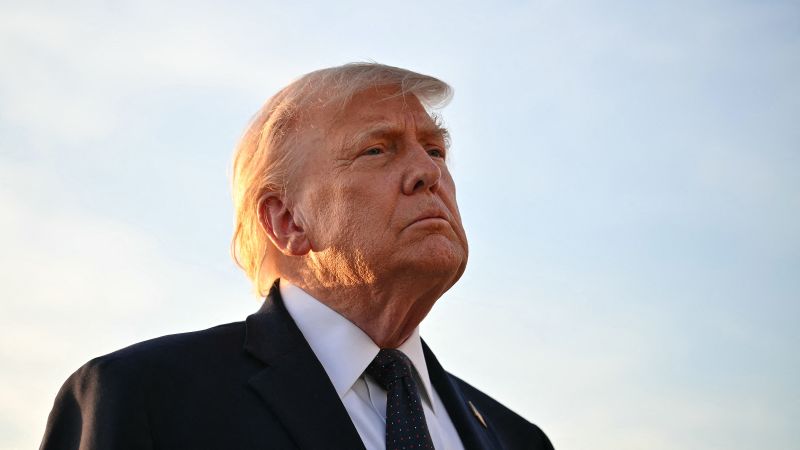
What the Iran war cost the Pentagon – Following a landmark agreement and upcoming diplomatic discussions, the U.S. war with Iran has paused for the moment, at least until further developments. President Donald Trump, however, has framed the pause as a triumphant conclusion, asserting that American efforts have secured victory. In a recent social media post, Trump exclaimed, “’YOU’RE WELCOME!’” and listed perceived benefits of his strategy, including stable oil markets, a nuclear-free Iran, thriving stock markets, and falling prices, all presented in bold, capitalized language.
“OIL IS FLOWING, IRAN CAN NEVER HAVE A NUCLEAR WEAPON (THE WORLD WILL BE SAFE!), THE STOCK MARKETS ARE ROARING, JOBS ARE AT RECORDS, AND PRICES ARE DROPPING (AFFORDABILITY!). OUR COUNTRY IS STRONG, SAFE, AND RESPECTED LIKE NEVER BEFORE,” Trump declared.
Yet, a closer examination of the war’s aftermath reveals a more complicated reality. Over 100 days of conflict have left a trail of financial and human consequences. Thirteen U.S. military personnel and more than 7,500 civilians in the region have lost their lives, underscoring the war’s toll. While Trump’s rhetoric emphasizes success, analysts highlight the economic strain and logistical challenges that persist.
Costs to the Pentagon and Military Operations
The Department of Defense has spent approximately $40 billion on the conflict, according to preliminary estimates from the Center for Strategic and International Studies (CSIS). This figure encompasses expenses related to munitions, damaged infrastructure, and the destruction of military assets. However, it excludes operational costs already embedded in the Pentagon’s $1 trillion fiscal year 2026 budget, as noted by Mark Cancian, a senior adviser at CSIS.
Trump’s administration has already sought additional funding, requesting $80 billion in supplemental appropriations. Two U.S. government sources confirmed that only a fraction of this total—less than $20 billion—directly addresses the war’s immediate demands. The remaining funds are allocated for long-term needs such as facility repairs and the maintenance of military bases in the region. Cancian explained that the most significant portion of the budget was spent on advanced weaponry, with a particular focus on long-range, high-cost munitions.
For instance, the use of Tomahawk missiles, which are among the most expensive weapons in the U.S. arsenal, has accounted for a substantial portion of the expenditure. At an average cost of $2.5 million per missile, the military deployed around 1,000 of these during the conflict, according to Cancian. This heavy reliance on such weapons has raised concerns about inventory depletion, with experts noting that key missile stocks have been significantly reduced.
Economic Fallout and Fuel Price Increases
While the war has paused, its economic repercussions continue. The conflict has driven up fuel prices, a development that has created tension for Trump, who has long championed fossil fuel production as a cornerstone of his economic agenda. The U.S. average gas price surged from below $3 per gallon to over $4 during the war’s peak, according to the National Petroleum Association. This spike has placed a financial burden on everyday Americans, with households now paying more than $253 extra per month for gasoline, as tracked by Brown University.
Diesel prices have also risen sharply, affecting industries reliant on heavy machinery and transportation. Before the war, the average diesel cost was around $3.80 per gallon, but by June 15, it had climbed above $5. Brown University’s analysis found that the war’s impact on diesel prices has added nearly $27.1 billion to American spending. These costs have ripple effects, influencing everything from agricultural operations to freight shipping, as higher fuel expenses increase production and transport costs across sectors.
Trump’s invocation of the Defense Production Act in June accelerated the manufacturing of weapons, ensuring a steady supply for the conflict. However, this move also highlighted the war’s reliance on expensive munitions, which, according to CSIS, were used at a high rate. While the initial days of the war saw massive expenditures, the cost per day decreased as strikes became less frequent and the military shifted to more cost-effective tactics. For example, the first 100 hours of the conflict cost $3.7 billion, but later stages saw a slower pace, reducing the financial burden.
Oil Reserves Depleted, Prices on the Decline
The war has also impacted the nation’s emergency oil reserves, which have been drawn down by both the Biden and Trump administrations. These reserves, stored in salt caverns along the Gulf Coast, have reached their lowest level since 1983, when they were first filled under the Reagan administration. The depletion is attributed to the U.S. government’s increased consumption during the conflict, alongside the broader global supply chain disruptions caused by Russia’s war in Ukraine.
As of Friday, the U.S. average gas price dropped below $4 per gallon for the first time since March 30, signaling a potential recovery. This decline is expected as oil traffic resumes through the Strait of Hormuz, a critical chokepoint for global energy supplies. However, analysts caution that it may take weeks for prices to stabilize fully, as market forces continue to balance demand and supply.
The conflict has not only affected immediate fuel costs but also raised questions about the long-term sustainability of U.S. energy policy. While Trump’s administration sought to bolster oil production, the war’s timing coincided with a period of heightened geopolitical uncertainty, complicating efforts to maintain price stability. The military’s use of advanced weapons, combined with the depletion of reserves, has underscored the interplay between national defense and economic strategy.
Broader Implications for the Economy
Experts warn that the war’s economic costs extend beyond fuel prices. The increase in energy expenses has rippled through the economy, affecting consumer spending and inflation rates. The U.S. military’s reliance on costly munitions, such as Tomahawk missiles, has further strained the budget, with the Pentagon requesting additional funds to cover the shortfall. This has sparked debates about the efficiency of military spending and its impact on national priorities.
While the conflict has paused, the lingering effects suggest that the U.S. will face continued financial and economic challenges. The interplay between defense strategy and energy markets highlights the complex relationship between national security and economic stability. As the nation moves forward, the full extent of the war’s impact will likely become clearer, offering insights into the trade-offs made during the conflict.
In conclusion, the US-Iran war has left a lasting mark on both the Pentagon and the broader economy. Despite Trump’s claims of victory, the financial costs and economic disruptions reveal a more intricate narrative. The war’s legacy will be measured not only in lives lost but also in the long-term consequences for U.S. fiscal policy and global energy markets.
