
Bolivia’s president declares state of emergency over blockade crisis
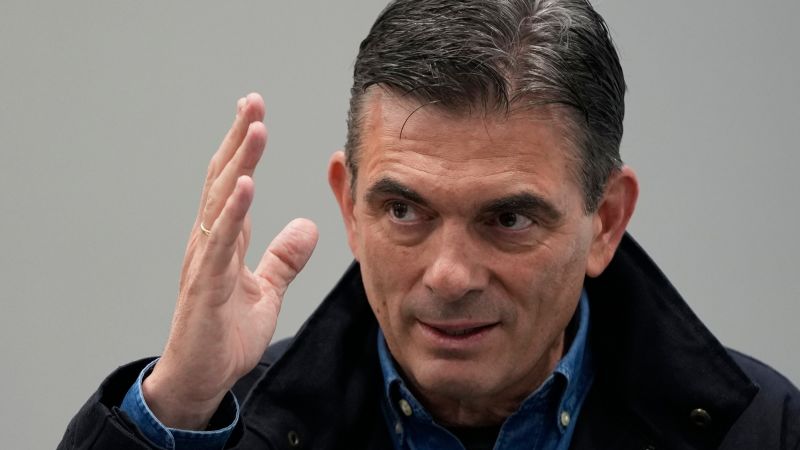
Bolivia’s President Declares State of Emergency Amid Blockade Crisis
Bolivia s president declares state of emergency – Bolivia’s leader, Rodrigo Paz, has imposed a state of emergency on Saturday, responding to months of anti-government demonstrations that have intensified into a political upheaval. These protests, driven by public discontent over soaring expenses and financial strain, have become a central issue in the nation’s current turmoil. The unrest has paralyzed infrastructure, disrupted supply chains, and brought economic activity to a standstill over the last 50 days, according to recent reports.
Protests Fuel Demand for Leadership Change
The demonstrations, which have rallied support from labor unions, agricultural groups, and former President Evo Morales’ political base, are now insisting on Paz’s resignation. The movement has gained momentum as citizens express frustration with deteriorating living conditions and the government’s inability to address their grievances. Key demands include not only the removal of the president but also significant wage hikes and an end to fuel and dollar shortages that have worsened the economic situation.
“I have put in place the State of Exception to clear the nation’s roads,” Paz stated in a televised address. “Bolivians are being held hostage by blockades that prevent work, study, access to medical care, self-sufficiency, and the delivery of food to their households.”
Paz framed the emergency as a necessary step to restore order, highlighting the role of “organized groups” in using violence to cripple the country’s operations. He emphasized that the measure would empower the military and police to intervene and reestablish stability. This declaration marks a pivotal moment in Bolivia’s political landscape, where the president has positioned himself as a defender of economic continuity amid widespread disruption.
Economic Pressures and Political Shifts
Since taking office seven months ago, Paz has faced the challenge of reviving Bolivia’s economy, which was in its worst state in over a decade. The country’s prolonged leftist governance under the MAS party, which has led Bolivia since 2006, has now been succeeded by a centrist administration. This transition reflects a broader political realignment, as Paz seeks to break from the MAS legacy and implement policies that prioritize fiscal responsibility and foreign investment.
The crisis began in May when Paz decided to end long-standing fuel subsidies, a move intended to reduce the national deficit. However, the decision triggered immediate backlash, leading to widespread protests and road blockades. The economic downturn has further exacerbated the situation, with foreign currency reserves dwindling, natural gas exports declining sharply, and inflation reaching a 40-year peak. Fuel scarcity has become a critical issue, contributing to daily hardships for millions of Bolivians.
Legal Framework for Emergency Measures
Last month, Paz enacted legislation granting military forces the authority to engage in internal conflicts, a critical legal tool for his emergency strategy. While he previously stated that declaring a state of exception would be a final resort if negotiations failed, the current escalation has forced him to act. In his address, he outlined the rationale for the emergency, citing agreements reached with protest leaders who had valid concerns, while identifying those who resorted to violence to destabilize the nation.
The state of emergency, which applies nationwide, signals a shift toward more authoritarian tactics. Paz described it as a means to “restore normalcy” and combat the effects of the blockades, which have disrupted essential services and hindered economic recovery. The move has drawn mixed reactions, with some citizens applauding the government’s resolve to end chaos, while others fear increased repression.
Diplomatic Efforts and International Context
Paz’s administration has also focused on strengthening ties with Washington, a relationship that has been strained since 2009. In September, he announced plans for a $1.5 billion economic cooperation agreement with U.S. officials, aimed at securing fuel supplies and bolstering trade. This initiative underscores his strategy to attract international support amid domestic unrest, although the effectiveness of such measures remains uncertain in the face of persistent blockades.
The crisis has exposed deepening divisions within Bolivia’s political and economic systems. While the president argues that the emergency is essential for stability, critics contend that it undermines democratic processes and the rights of civilians. The protests, though initially fueled by economic grievances, have evolved into a broader challenge to the government’s legitimacy. With the country’s economy in crisis and public trust eroding, the outcome of this emergency will determine the future of Bolivia’s political direction.
Escalation and Future Uncertainty
As the situation continues to unfold, the stakes for Bolivia have never been higher. The blockades, which have persisted for over a month, have not only caused immediate shortages but also signaled a potential shift in the country’s political landscape. With the MAS party no longer in power, the new administration faces pressure to address the root causes of the unrest, including inflation, unemployment, and the economic policies that have led to widespread discontent.
Analysts warn that the state of emergency could either quell the protests or further radicalize the opposition. The president’s reliance on military force raises questions about the balance between security and civil liberties. Meanwhile, the international community watches closely, as the crisis may impact Bolivia’s trade relationships and its ability to attract foreign investment. The coming weeks will be crucial in determining whether the emergency measures succeed in restoring stability or deepen the nation’s political and economic turmoil.
This is a developing story, and further updates are expected as the situation evolves. The blockades, once a localized issue, now threaten to become a nationwide confrontation, with the potential to reshape Bolivia’s political future for years to come.
