China is counting its wins from the Iran war

China is counting its wins from the Iran war
China is counting its wins – As the dust settled on the Iran war, China emerged not just as a silent observer but as a key player whose strategic maneuvering has reshaped the geopolitical landscape. The conflict, which began with U.S. and Israeli strikes on Iranian targets in late February, initially raised alarms in Beijing about the vulnerability of its alliances. However, nearly four months later, the scene has transformed. An interim agreement between the United States and Iran has been reached, with the war’s intensity seemingly tempered by diplomatic efforts. Yet, the Iranian regime remains intact, and the crisis has underscored the limits of American military dominance. For China, this period has been one of calculated gains, both in terms of diplomatic influence and economic resilience.
A Rising Power in the Middle East
China’s leadership has seized the opportunity to position itself as a stabilizing force in the region. By hosting high-profile foreign dignitaries and promoting peace, Beijing has demonstrated its growing role in global diplomacy. This shift is particularly notable given the U.S.-led conflict, which has tested the endurance of international coalitions. China’s Foreign Ministry praised the U.S.-Iran deal, with spokesperson Lin Jian emphasizing Beijing’s readiness to contribute to regional stability. While the spokesperson did not explicitly claim involvement in the agreement, he highlighted the “tireless” efforts of China’s diplomats, including the release of a four-point peace proposal by President Xi Jinping in April.
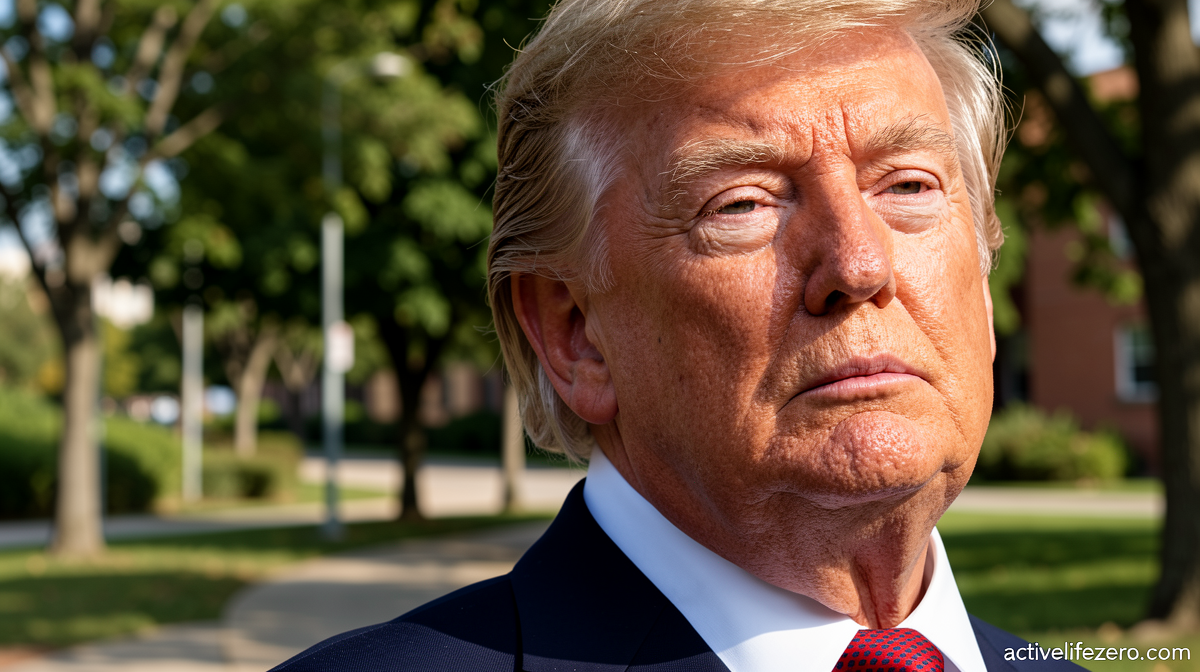
“I want to thank China, President Xi … he stayed neutral, totally neutral, and I appreciate it,” said Donald Trump during a G7 press conference in France. The former president praised China’s restraint, noting that it avoided using its naval capabilities to challenge the U.S. blockade of Iranian ports. “They didn’t do that. President Xi helped me. He tried to help, and I think he probably helped get it solved,” Trump added.
China’s diplomatic approach during the war was a masterclass in balancing pragmatism and principle. While condemning the U.S. and Israeli attacks, the country continued to purchase Iranian oil, defying Western sanctions. This decision not only secured China’s energy supply but also reinforced its economic independence. At the same time, Beijing maintained open channels with both sides, ensuring its presence in critical negotiations. The influx of foreign leaders to China—ranging from Trump to Iran’s Abbas Araghchi, and even Pakistan’s representatives—underscored its status as a central mediator in the crisis.
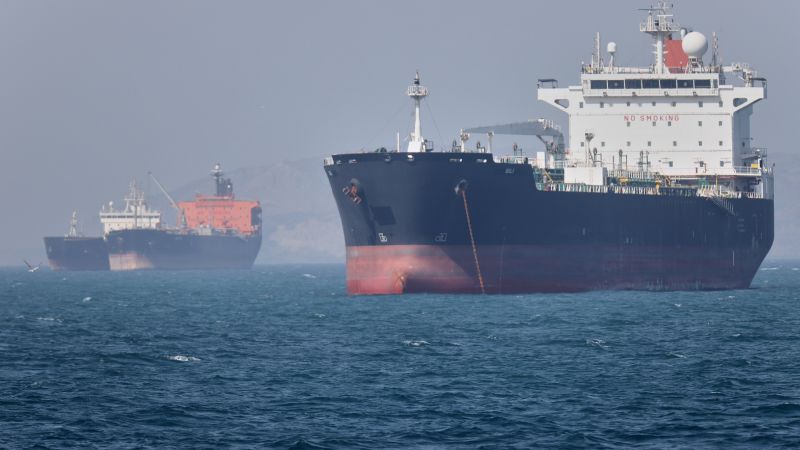
Though Iran initially sought China’s support as a guarantor for peace, Beijing has taken a more measured stance. Its leaders have avoided overtly endorsing any specific outcome, instead focusing on fostering dialogue. This neutrality has allowed China to assert its role as a bridge between conflicting parties. In a recent call with Araghchi, China’s top diplomat Wang Yi emphasized the importance of ensuring “properly handled” navigation through the Strait of Hormuz, a critical chokepoint for global trade. “The dawn of peace has emerged. The key to the next step is for all parties to truly implement their commitments and eliminate interference from all sides,” Wang stated, highlighting the urgency of sustained cooperation.
Global Economic Resilience
China’s ability to weather the economic fallout of the war has further bolstered its reputation as a reliable global actor. The country’s vast strategic oil reserves acted as a buffer against the sharp rise in energy prices, while its embrace of green technology and electric vehicles positioned it as a leader in sustainable development. In contrast, many neighboring nations faced severe disruptions, with supply chains strained and markets volatile. This resilience has not gone unnoticed, with analysts noting that China’s economic stability contrasts sharply with the broader global turmoil.
Experts are now scrutinizing the long-term implications of the conflict on the United States’ global standing. The war has exposed the fragility of American hegemony, particularly in regions where China’s influence is growing. Some observers draw parallels to the Suez Crisis of the 1950s, when Britain’s loss of control over the Suez Canal marked a turning point in its decline as a superpower. Sun Degang, director of Fudan University’s Center for Middle Eastern Studies, posed a provocative question in an op-ed: “Is the scene that cast a shadow over the British Empire during the Suez crisis now being replayed for the United States in the Strait of Hormuz?” The comparison suggests a broader narrative about the shifting balance of power in the 21st century.
“Since the end of the Cold War, the United States has become the world’s ‘sole superpower,’” Sun wrote. However, the current conflict has challenged this narrative, as U.S. military might failed to achieve the decisive outcome Washington had anticipated. The Iranian regime’s survival, despite the pressure from Western forces, highlights the growing complexity of international politics and the increasing role of non-Western powers in shaping outcomes.
While the interim agreement provides a temporary reprieve, the next phase of negotiations will determine its long-term success. The U.S. is likely to prioritize its strategic interests, such as ensuring Iran’s compliance with nuclear restrictions, while Iran may seek concessions on economic sanctions. China’s role in this process, though subtle, has been pivotal. By maintaining its neutrality and offering a platform for dialogue, Beijing has positioned itself as a critical player in the region’s future. Its ability to mediate without taking sides has earned it both praise and respect, even from former U.S. leaders.
For China, the war has been a proving ground for its foreign policy ambitions. Opposition to a U.S.-dominated world order has long been a cornerstone of its international strategy, and the crisis has provided a real-world test of that vision. The country’s diplomatic success in this context has fueled speculation about its future influence in global affairs. As the conflict recedes, analysts will closely examine how China’s actions have altered perceptions of power in the Middle East and beyond. The interim deal may be seen as a victory for diplomacy, but its legacy will depend on China’s continued ability to navigate the delicate interplay of alliances, economic interests, and geopolitical ambitions.
With the formal signing of a memorandum of understanding, the next 60 days will be crucial in determining the final terms of the agreement. While the details of Beijing’s behind-the-scenes efforts remain unclear, the visible presence of foreign leaders in China during the crisis has amplified its message: a world where China leads, others follow. As the international community watches the negotiations unfold, the question remains whether this moment marks a new era of China’s dominance—or a temporary blip in the ongoing tug-of-war for global influence.