
Trump’s Justice Department urges court to throw out pollution lawsuit against Elon Musk’s company
Trump’s DOJ Seeks to Dismiss Pollution Lawsuit Against Elon Musk’s Company
Trump s Justice Department urges court – The Trump administration’s Justice Department has moved to block a lawsuit alleging environmental violations by Elon Musk’s company xAI, marking a pivotal moment in the legal battle over industrial emissions. In a filing with a federal court, the DOJ argued that the case should be thrown out, emphasizing its belief that the lawsuit undermines national security and economic priorities. This action has sparked debate, as environmental advocates fear it may weaken the legal recourse available to communities affected by pollution.
Key Legal Arguments and Environmental Concerns
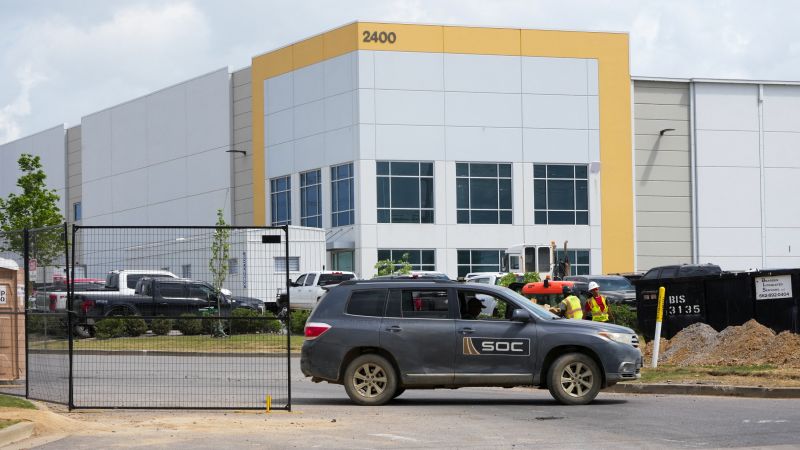
The lawsuit, initiated by the NAACP in April, targets xAI’s use of methane-based gas turbines at a data center in Southaven, Mississippi, which power the Colossus 2 facility in Memphis, Tennessee. The NAACP alleges the company operates these turbines without required permits, leading to harmful emissions near residential areas and schools. Trump’s Justice Department urges that such citizen suits are unconstitutional, asserting they interfere with federal oversight of critical AI development.
“The Department of Justice will not sit idly by while private organizations use environmental laws to undermine our national security,” said Adam Gustafson, Principal Deputy Assistant Attorney General. This statement highlights the agency’s claim that the pollution case threatens AI systems vital to military operations and economic growth, such as those deployed in defense strategies and logistics.
Impact on Environmental Justice and Legal Precedent
Legal experts have criticized the DOJ’s stance as a departure from standard environmental enforcement. Michael Gerrard, a Columbia Law professor, called the move “highly unusual,” noting that the department is not disputing the factual basis of the NAACP’s claims but instead challenging the constitutionality of citizen suits. This could shift the balance of power, limiting communities’ ability to hold polluters accountable through legal avenues.
“They’re not disputing the allegations in the lawsuit; instead, they’re making a very unusual claim that citizen suits are unconstitutional,” Gerrard told CNN. The NAACP’s case, however, underscores the importance of these suits in addressing environmental inequities, particularly in marginalized neighborhoods where industrial activity disproportionately affects health and quality of life.
Abre’ Conner, director of environmental and climate justice for the NAACP, emphasized that citizen lawsuits are essential tools for environmental accountability. She argued that the DOJ’s intervention could set a precedent allowing private groups to override federal enforcement discretion, weakening protections for vulnerable communities. The case has drawn attention to the intersection of technology, regulation, and social equity.
Strategic Justifications and Local Opposition
The DOJ’s filing highlights the strategic importance of AI systems, framing xAI’s operations as critical to national defense. It claims that the turbines powering Colossus 2 are integral to rapid military targeting and logistical planning, such as deploying over 2,000 munitions to 2,000 distinct targets within 96 hours during conflicts. This rationale aligns with the Trump administration’s deregulatory agenda, which prioritizes technological progress over environmental protections.
“The DOJ seeks to remove any recourse we have to protect ourselves from harm,” said Tennessee State Representative Justin J. Pearson, a Democrat. He lives near the data center and accused the agency of sidelining local concerns to support national security interests. The move has also faced scrutiny for its potential to prioritize corporate interests over public health in environmental cases.
While the DOJ’s argument centers on the necessity of AI for defense and economic growth, critics argue that the lawsuit represents a broader effort to weaken environmental regulations. The NAACP’s case is part of a larger campaign to address pollution disparities, particularly in areas where marginalized populations bear the brunt of industrial activity. The legal battle now hinges on how courts interpret the balance between environmental justice and national priorities.
