
White House staff bids farewell to planes used as Air Force One for more than 35 years
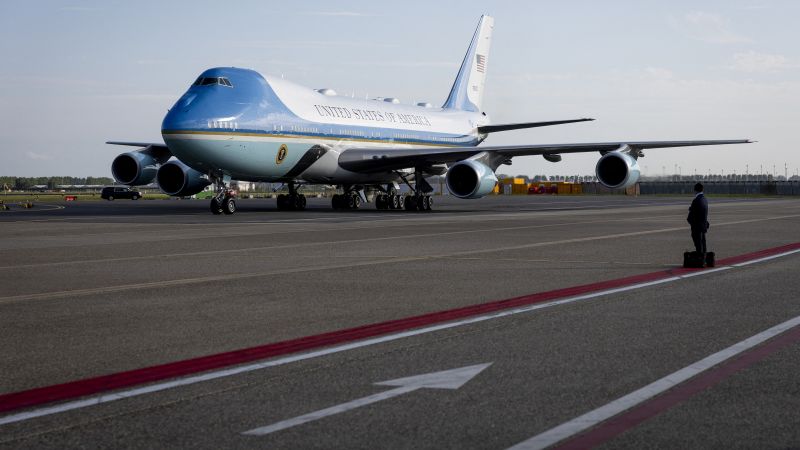
White House Staff Says Farewell to 35-Year-Old Air Force One Planes
White House staff bids farewell to planes – As the sun rose over Washington, White House staff marked the final departure of the aging Boeing 747-200 aircraft, which has served as Air Force One for over three decades. The plane, officially classified as a VC-25A, was last seen landing at Joint Base Andrews, signaling the end of its long tenure in presidential service. This retirement comes as the White House prepares to welcome newer models into the fleet, with the first upgraded aircraft set to take to the skies soon. The farewell posts from officials reflect both the sentimental value of the old planes and the anticipation of modernization in the nation’s executive aviation.
A Symbol of Presidential Power and a Legacy of Change
The Boeing 747-200 has long been synonymous with presidential authority, its presence on the tarmac a visible reminder of the White House’s reach. From George H.W. Bush’s early missions to the high-stakes flights during the 9/11 crisis, the aircraft has been a constant companion to leaders. However, its 35-year service has also been a source of debate, with critics questioning its aging systems and security features. Despite this, the plane has remained a trusted workhorse, often stepping in when newer models were still in development. The final farewell underscores a shift in priorities, as the fleet prepares to embrace cutting-edge technology.
“The last ride,” said Steve Cheung, White House communications director, in a post on X. “Well done, good and faithful servant.” His words encapsulated the pride and gratitude felt by those who have operated the aircraft, which has become a cultural icon. Cheung’s tribute highlighted the emotional weight of the moment, as the VC-25A prepared to retire after decades of service. The plane’s retirement is not just a logistical change but a symbolic one, marking the end of an era in presidential travel.
Modernization Efforts and International Collaboration
The Air Force’s plan to replace the aging VC-25A fleet includes three new Boeing 747-800s, which have been undergoing extensive upgrades. One of these planes, donated by Qatar, has been a focal point of the transition. According to the Air Force, the Qatari jet was modified last summer and is now expected to join the active executive fleet by summer 2026. This collaboration reflects a strategic effort to address security and technological gaps, ensuring the presidential fleet remains a symbol of both power and modernity.
US intelligence agencies played a key role in the retrofitting process, integrating advanced communication systems and reinforcing defensive capabilities. The new VC-25Bs are designed to offer superior performance, blending luxury with cutting-edge features. While the Qatari donation provided a critical boost, some critics argue that the cost of upgrading could have been better spent on entirely new aircraft. Nonetheless, the transition represents a significant step toward equipping the White House with the tools needed for contemporary leadership demands.
“The VC-25B Bridge aircraft will soon join the active executive airlift fleet alongside the VC-25A and C-32,” stated an Air Force spokesperson. The C-32, a modified Boeing 757, has historically been used as a backup for Air Force One, often carrying the vice president and senior officials. Its role, while less high-profile, has remained essential during times of operational need. The new VC-25Bs are expected to surpass both the old and the C-32 in terms of reliability and technological sophistication.
A Changing Livery and a New Chapter
The retirement of the VC-25A planes also marks the return of a nostalgic livery that was a defining feature of Trump’s first presidency. The vibrant red, white, and gold design, once abandoned by the Biden administration, is set to reappear as the new aircraft take to the skies. This decision reflects a broader shift in the White House’s aesthetic, aligning with a more assertive image. While the color scheme is a visual nod to the past, the upgrades ensure that the presidential fleet remains as formidable as ever, ready for the challenges of the future.
As the old planes retire, the White House staff has expressed a mix of nostalgia and optimism. The final flights of the VC-25A are not just a farewell but a prelude to a new era of presidential mobility. With the first of three upgraded aircraft poised to enter service, the transition highlights the balance between honoring tradition and embracing innovation. The new planes are expected to provide enhanced security, efficiency, and comfort, setting a new standard for executive travel in the United States.
