
Trump upends careful compromise on intel chief, plunging GOP into disarray
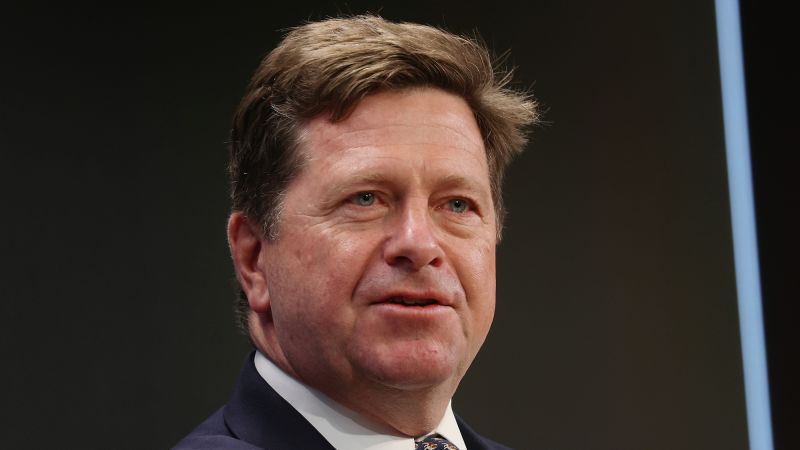
Trump Upends Compromise on Intelligence Chief, GOP in Disarray
Trump upends careful compromise on intel – Capitol Hill Republicans had hoped to resolve a contentious dispute over President Donald Trump’s controversial nomination for the acting director of national intelligence, while maintaining a fragile agreement with Democrats on a critical national security measure. The plan involved supporting a compromise candidate, Jay Clayton, to oversee the nation’s intelligence agencies. However, Trump’s late-night message from Switzerland shattered that strategy, leaving the Republican Party scrambling to adapt. The president’s abrupt decision to cancel the Senate hearing for his nominee and tie the approval of the Foreign Intelligence Surveillance Act (FISA) to his Save America Act has thrown the GOP into chaos.
A Midnight Shift in Strategy
Early Wednesday, Trump issued a message on Truth Social that upended weeks of careful negotiations. “I will not approve FISA without THE SAVE AMERICA ACT going along with it,” he wrote, framing the issue as straightforward. “The Republicans fell into a trap,” he added, signaling his frustration with the Senate’s approach. The president also announced his intent to withdraw the Senate hearing for his nominee, Jay Clayton, and delay the process until Bill Pulte, a MAGA-aligned loyalist, was confirmed as U.S. Attorney. “In the meantime, Bill Pulte will remain as the Acting Director of National Intelligence,” he stated, ensuring his chosen interim leader would stay in place for at least one more day.
“Good question.”
The move caught Senate Republican leaders off guard, as they had been preparing to hold a key committee hearing just hours earlier. Clayton, who had been expected to attend, was reportedly instructed by the president to skip the session. A source close to the situation told CNN that this directive came unexpectedly, forcing the Senate Intelligence Committee to cancel the hearing at the last minute. The cancellation marked a reversal from the committee’s initial plan, which had been to proceed with the confirmation process despite the looming deadline for the must-pass national security bill.
Fractured Leadership and Unusual Tactics
Senate Intelligence Committee Chairman Tom Cotton, a Republican from Arkansas, had initially resisted Trump’s demands, stating that Clayton was a “pending nominee” and that the hearing should proceed as scheduled. But after the president’s overnight intervention, Cotton reportedly yielded, allowing the cancellation. This unusual shift left many within the GOP confused, as the committee had traditionally retained control over its own scheduling. “We’ll just have to take it a day at a time until we get more clarity on what the White House’s position is on this,” Senate Majority Leader John Thune said during a press briefing, flanked by reporters. Thune, however, admitted he had not yet spoken to Trump about the matter, leaving the situation in limbo.
Trump’s demand to link FISA reauthorization to his voter ID bill has further complicated the situation. The Save America Act, which aims to expand voting restrictions, was already several days overdue for passage. By attaching it to the FISA debate, the president has forced Congress into a difficult position, creating tension between national security imperatives and partisan priorities. “It’s regrettable that the president has directed Jay Clayton not to appear at his confirmation hearing today,” the committee’s Democratic chair, Mark Warner of Virginia, said in a statement, criticizing the move as a deliberate effort to politicize the process. Warner emphasized that the GOP’s decision to cancel the hearing could signal a broader willingness to let the FISA bill stall, undermining its chances for swift reauthorization.
A Battle for Control and National Security
While the Republicans grappled with the fallout, Democrats expressed dismay over the president’s strategy. Warner accused Trump of using the intelligence nomination as a “political bargaining chip,” a tactic that risks weakening the nation’s surveillance capabilities. FISA, which authorizes the collection of foreign intelligence through warrantless surveillance, has been a point of contention for months. With its reauthorization in jeopardy, the law’s expiration could create gaps in the U.S. government’s ability to monitor potential threats. “This is not just about a single nominee,” Warner added. “It’s about how the president is using the intelligence process to advance his agenda, even at the expense of national security.”
The impact of Trump’s decision extends beyond the immediate hearing cancellation. By sidelining Clayton and keeping Pulte as acting director, the president has effectively stalled the transition process, giving his loyalist more time to consolidate power. Pulte, who has been serving as acting director since early March, will now officially assume the role on Friday, further entrenching his influence over the intelligence community. Critics argue that this prolongation of the interim leadership could undermine the efficiency of the agency, particularly as it faces growing challenges in the global security landscape.
Political Consequences and Uncertainty
Despite the disruption, Trump’s allies in Congress have defended his actions. Senator Rick Scott of Florida, a Republican, claimed the public supported the voter ID bill and that the president’s move was necessary to ensure its passage. “If we actually voted up here based on what the American public wanted, this would pass in a heartbeat,” Scott said, highlighting the growing divide between the administration and the broader Republican base. Some lawmakers, however, have raised concerns about the implications of Trump’s tactics on legislative credibility. “The president is using the hearing as a tool to push his own agenda, even when it’s not aligned with the committee’s priorities,” one senator noted during a closed-door meeting.
The situation has also sparked questions about the White House’s communication with the Senate Intelligence Committee. While it remains unclear whether Trump had directly contacted Cotton before posting his message, the Arkansas senator’s shift in stance suggests a high level of presidential influence. This dynamic has left the GOP in a precarious position, with leaders now forced to balance Trump’s demands against the interests of their own party. The committee’s chairman, Cotton, has since faced pressure to explain the abrupt reversal, as his decision to cancel the hearing contradicts his earlier confidence in the process.
As the dust settles, the consequences of Trump’s actions are becoming apparent. The delayed confirmation of Clayton means the intelligence community will continue operating under Pulte’s leadership, a scenario that could prolong the uncertainty surrounding the agency’s direction. Meanwhile, the Save America Act’s fate hangs in the balance, with Democrats poised to block its passage unless Trump can secure their support. The broader implications of this political maneuvering remain to be seen, but one thing is clear: Trump’s intervention has deepened the rift within his own party and set the stage for a prolonged battle over national security policy.
The Senate Intelligence Committee’s next steps will be crucial in determining whether Trump’s strategy succeeds. While the immediate hearing is canceled, it is possible that another session could be scheduled once the GOP leadership regains footing. However, with the president’s demands and the lapsed FISA bill dominating the agenda, the path forward remains uncertain. The episode underscores the challenges of governing in a divided Congress, where even routine procedures can become battlegrounds for ideological conflict. As lawmakers navigate this turbulent period, the nation’s intelligence apparatus stands at a crossroads, its future now dependent on the outcome of a political showdown that has stretched far beyond the initial compromise.
