
Can the World Cup transform this Midwestern city into a global tourist hub?
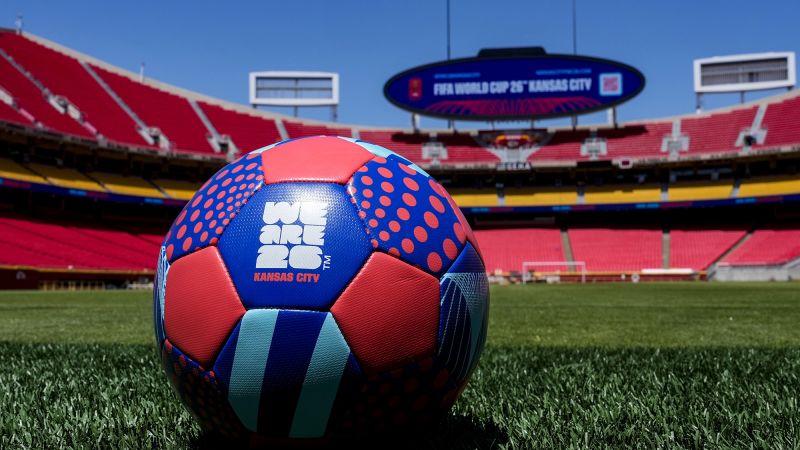
Can the World Cup Transform Kansas City into a Global Tourism Powerhouse?
Can the World Cup transform this – Kansas City is making a significant financial wager. The city has allocated nearly $200 million to host the World Cup, hoping this international event will elevate its status as a destination for global travelers. The initiative represents a bold move for a Midwestern city that has long sought to break free from its regional reputation. Yet, the challenge is steep, as the tournament has already been branded the “World Cup of Chaos” due to disputes over immigration policies and high ticket prices. Despite these hurdles, local leaders believe this is their chance to make a lasting impact.
A Bold Economic Gamble
For the first time in its history, Kansas City is hosting a major global sporting event. The city’s efforts are aimed at generating over $653 million in economic benefits, according to Jenny Wilson, vice president of tourism development at Visit KC. This figure includes revenue from retail, dining, hospitality, and other sectors. The anticipated influx of more than 650,000 visitors is projected to outpace the city’s population of about 520,000, creating a temporary surge in demand for services and infrastructure.
While the economic promise is enticing, experts are skeptical. Victor Matheson, a sports economics specialist at The College of the Holy Cross, questioned whether international travelers would choose Kansas City over more established destinations. “Do we really think people from Japan, Uzbekistan, and Cape Verde will prioritize this city for their once-in-a-lifetime trip?” he asked in a CNN interview. However, city officials remain optimistic, viewing the event as a pivotal opportunity to establish a new identity on the global stage.
Infrastructure and Logistics
To accommodate the influx of fans, Kansas City has revamped its transportation network. New transit routes connect the airport, stadium, and downtown fan festival areas, easing movement for visitors. Local homeowners have also embraced the challenge by converting homes into short-term rentals. An Uber representative noted the company is increasing driver numbers in anticipation of the event’s demands.
One of the city’s advantages is its ability to leverage existing venues. Unlike other World Cup hosts that built new stadiums, Kansas City is relying on its current facilities, saving a major cost. This strategy has allowed officials to focus on optimizing accessibility rather than constructing new infrastructure. Yet, logistical complexities remain. Many matches are spread across the city, requiring fans to travel long distances, which could strain local resources and complicate visitor experiences.
Global Competition and Local Challenges
Kansas City faces stiff competition from other World Cup host cities like Mexico City, Los Angeles, and Miami. These cities have the advantage of consistent tourism year-round, bolstered by diverse attractions and events. In contrast, Kansas City’s World Cup schedule is limited to six matches, which may not be enough to sustain long-term interest. “When should a city invest in such large-scale initiatives?” Mayor Quinton Lucas pondered during a CNN interview. “This event offers a chance to test the waters.”
Another hurdle is the city’s reliance on international visitors. Visa restrictions and the Trump administration’s immigration policies have created barriers, limiting the number of foreign attendees. Additionally, FIFA’s ticket pricing has sparked controversy, prompting investigations by state attorneys general. The high cost of travel, both in terms of airfare and accommodation, could deter some potential fans from staying longer than a few days.
Adapting to Uncertainty
Despite the risks, Kansas City’s tourism sector is adapting. The American Hotel and Lodging Association reported that national hotel bookings have fallen short of expectations, partly because FIFA canceled large room blocks. This has forced organizers to rethink their strategies, focusing more on domestic travelers and short-term stays. “We’re constantly recalibrating our models,” Lucas said, highlighting the city’s need to remain flexible in the face of unpredictable demand.
Local residents have also played a key role in the city’s preparations. Katherine Riedel, a homeowner near downtown, listed her three-bedroom house on Airbnb for the first time this spring. She priced it at $1,000 per night but offered discounts for extended stays. Initially, she received only a few inquiries, but by mid-May, she managed to secure bookings for both a monthlong work trip and a July quarterfinal match. “It’s been a mix of luck and timing,” she remarked, underscoring the challenges of attracting a consistent stream of visitors.
Lessons from Past Successes
Organizers cite the 1996 Atlanta Olympics as a model for what the World Cup could achieve. That event revitalized the city’s economy and boosted its global profile, according to Pam Kramer, CEO of KC2026, the primary planning body for Kansas City’s World Cup bid. The hope is that similar outcomes will follow, with the city capitalizing on its unique offerings—such as agricultural events and trade opportunities—to draw both spectators and business leaders.
Yet, the path to success is not without obstacles. The city’s infrastructure must handle a sudden increase in traffic and demand, and its reputation as a tourist destination will be tested. While the World Cup is a massive undertaking, it also serves as a platform for showcasing Kansas City’s potential. “This is our chance to prove that the city can support a global event,” Lucas said, emphasizing the importance of the gamble.
The tournament’s impact extends beyond economics. It represents a cultural shift, inviting the world to experience Kansas City’s energy and hospitality. However, the city must balance its ambitions with practical realities. With visa issues, high ticket prices, and dispersed match locations, the success of the event hinges on how well local teams can manage these challenges. As the first match approaches, the question remains: Will Kansas City’s efforts translate into a lasting legacy, or will it be remembered as a fleeting spectacle?
Ultimately, the World Cup is a test of Kansas City’s ability to adapt and thrive. While the city may not have the same level of global recognition as Los Angeles or Miami, its unique combination of affordability, existing infrastructure, and community involvement offers a compelling case. If the tournament can overcome its initial hurdles and create a positive visitor experience, it may mark the beginning of a new era for Kansas City as a destination for international travel. The outcome will determine whether this Midwestern city can finally break free from its regional confines and claim its place on the world stage.
