
DRC’s Ebola outbreak may be worst ever, Africa CDC says
DRC’s Ebola outbreak may be worst ever, Africa CDC says
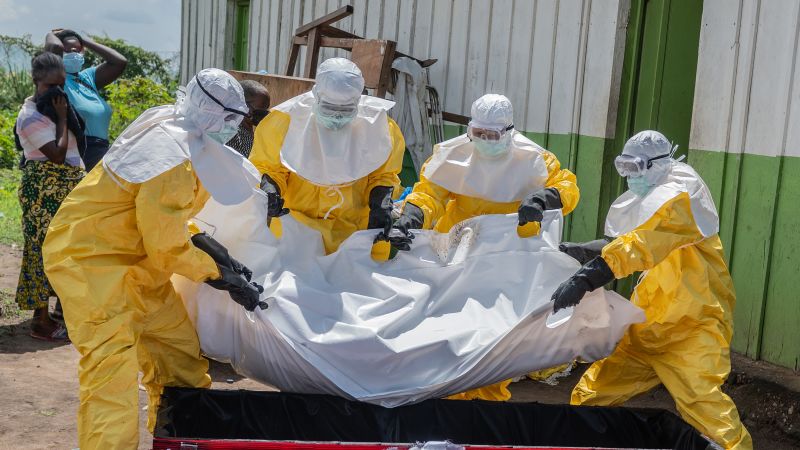
DRC s Ebola outbreak may be worst – In a critical assessment shared during a virtual summit held in Burundi, the Africa CDC Director-General, Jean Kaseya, issued a stark warning about the escalating crisis in the Democratic Republic of Congo (DRC). The statement highlights the potential for the ongoing Ebola epidemic to surpass all previous outbreaks in scale and severity. As of the latest updates, the agency reports that thousands of individuals who have been in contact with infected people remain untraced, creating a significant risk of further transmission. This development has raised alarms among public health officials and regional leaders, who are now urgently evaluating the situation to prevent a catastrophic spread.
Contagion Risks and Untraced Contacts
The current outbreak, which has already claimed numerous lives, is being scrutinized for its rapid progression and the challenges it poses to containment. According to the Africa CDC, the number of people exposed to the virus but not yet identified exceeds 10,000. This figure underscores the difficulty of implementing effective quarantine measures and the potential for the virus to spread unchecked. Kaseya emphasized that without immediate intervention, the outbreak could mirror the devastation witnessed in West Africa between 2014 and 2016, which left over 11,000 individuals dead.
“If we don’t stop the outbreak very soon, it will be worse than what we had in West Africa and eastern DRC,” Africa CDC Director-General Jean Kaseya stated during the virtual meeting. His remarks were met with concern from delegates, who recognized the urgency of the situation. The 2014-2016 epidemic, which primarily impacted Guinea, Liberia, and Sierra Leone, was one of the most severe in recent history. It not only caused widespread mortality but also strained healthcare systems and economies across the region.
Kaseya’s warning is particularly poignant given the historical context of Ebola in the DRC. The 2018 outbreak, though less lethal, served as a reminder of the virus’s persistence and the need for sustained vigilance. That epidemic, which primarily affected the eastern part of the country, resulted in fewer casualties but still demonstrated the virus’s ability to evade control measures. The current resurgence appears to be more complex, with multiple hotspots reported in various regions of the DRC.
Regional Collaboration and Challenges
The Africa CDC is working closely with international partners and local governments to address the growing threat. However, the task is formidable. The DRC’s vast and often remote geography, coupled with political instability and limited resources in certain areas, complicates efforts to trace and isolate affected individuals. In particular, conflict zones in the eastern part of the country have hindered the deployment of medical teams and the establishment of testing centers.
Additionally, community engagement has proven to be a critical factor in combating the outbreak. Local leaders and health workers have been working to educate residents about the importance of contact tracing and early detection. Despite these efforts, the rapid pace of the virus’s spread has outpaced some of these initiatives. Kaseya acknowledged the challenges but urged continued support from both regional and global stakeholders.
Global Implications and Response Strategies
As the situation in the DRC intensifies, the Africa CDC has called for a coordinated regional response. This includes the mobilization of additional resources, the enhancement of surveillance systems, and the strengthening of healthcare infrastructure. The agency is also emphasizing the need for a unified approach to vaccine distribution and public health messaging, which could help curb the spread of the virus.
International organizations, including the World Health Organization (WHO) and the Centers for Disease Control and Prevention (CDC), have pledged support to the DRC’s efforts. These groups are deploying teams to assist with contact tracing, laboratory testing, and the provision of medical supplies. However, the success of these interventions depends heavily on the cooperation of local communities and the stability of the region.
Kaseya also highlighted the importance of addressing the root causes of the outbreak, such as poverty, lack of access to healthcare, and environmental factors that contribute to the virus’s transmission. He stressed that long-term solutions must go beyond immediate containment measures to include investments in healthcare systems and community resilience. The warning from the Africa CDC serves as a clarion call for increased funding and political commitment to tackle the epidemic head-on.
Historical Context and Comparative Analysis
To fully grasp the gravity of the current situation, it is essential to compare it with past outbreaks. The 2014-2016 West Africa epidemic was a turning point in global efforts to combat Ebola, as it revealed the virus’s capacity to spread rapidly across borders. It also underscored the importance of international collaboration in managing such crises. The DRC’s 2018 outbreak, while less severe, demonstrated the virus’s ability to reemerge in areas with weakened health infrastructure.
The Africa CDC’s statement draws a direct comparison between the current outbreak and these historical events. If the trend continues, the potential impact could be even more devastating, particularly given the high population density in some parts of the DRC and the increased mobility of people within and outside the country. This makes the current outbreak a more significant threat than its predecessors, as it could lead to a larger number of infections and deaths.
Experts are closely monitoring the situation, with some predicting that the outbreak could become the most severe in history if containment measures are not significantly improved. The DRC has faced several challenges in the past, including political unrest and logistical difficulties, which have often delayed responses to health crises. This time, however, the scale of the problem is unprecedented, and the stakes are higher than ever.
In conclusion, the Africa CDC’s warning is a crucial reminder of the ongoing battle against Ebola. With the current outbreak showing signs of surpassing previous records, the need for immediate and sustained action is more urgent than ever. The combination of untraced contacts, regional collaboration, and global support will determine the outcome of this crisis. As the world watches, the DRC’s efforts to contain the virus will be a test of resilience and preparedness. The lessons learned from past outbreaks will be vital in shaping the response to this new challenge.
