
Feds charge 15 people with impeding agents during Minnesota immigration crackdown
Feds charge 15 people with impeding agents during Minnesota immigration crackdown
Feds charge 15 people with impeding – On June 16, 2026, federal authorities have indicted 15 individuals for obstructing law enforcement operations during the Trump administration’s aggressive immigration enforcement campaign in Minnesota. The charges stem from a conspiracy alleged to have disrupted the arrest and deportation processes, with defendants accused of working together to hinder federal agents. Minnesota U.S. Attorney Daniel N. Rosen emphasized that the investigation uncovered coordinated efforts to undermine the immigration crackdown, which has been a focal point of the administration’s strategy in recent months.
Left-wing coalition at the center of resistance
The probe targeted members and allies of “Direct Action Minnesota,” a coalition of progressive protest groups that emerged as a key force in opposing federal immigration policies. Rosen described the group’s activities as involving “surveillance, operational planning, and rapid mobilization against law enforcement,” which contributed to the widespread protests that followed the administration’s heightened enforcement measures. According to the attorney, the coalition’s actions included identifying ICE agents, organizing public demonstrations, and creating barriers to impede their work. The investigation also revealed that some of the accused identified with Antifa, a broad term encompassing a variety of leftist groups that often align with anti-authoritarian ideologies but may differ from the Democratic Party’s platform.
“Whether or not they actually, at the end of the day, cause bodily harm is not the measure of whether or not they committed a serious federal crime,” Rosen said during a press briefing.
The Trump administration has classified Antifa as a domestic terror organization, a designation that has sparked debate among legal experts and civil liberties advocates. While federal agencies may label foreign groups as terrorists, the process for applying the same label to domestic entities remains informal. Rosen noted that the defendants’ actions, though not resulting in confirmed injuries, were seen as a calculated effort to destabilize the immigration enforcement system.
Operation Metro Surge and its impact
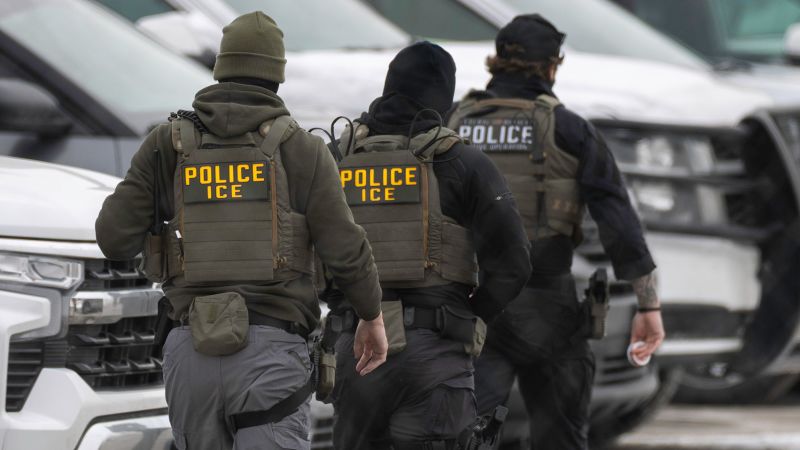
The crackdown, known as Operation Metro Surge, deployed thousands of federal agents to the Twin Cities in early 2026, intensifying pressure on local communities. During this period, agents conducted high-profile raids, often arriving in unmarked SUVs and moving swiftly through neighborhoods. Some reports indicated that agents would knock on doors without prior notice, while others lingered near schools and public spaces, demanding proof of citizenship from residents. These tactics triggered mass protests, with many residents expressing frustration over the abrupt nature of the enforcement actions.
Amid the surge, a grassroots network of Minnesotans—primarily organized through anonymous neighborhood messages—formed to counter the federal operations. Citizens and activists used car horns, whistles, and other methods to alert the public to the presence of agents, creating a visible resistance movement. The coalition’s efforts were said to have included both direct confrontations and strategic disruptions, such as throwing ice blocks at vehicles and setting up roadblocks around government buildings.
Conspiracy charges and legal implications
Rosen stated that the 15 individuals were charged under conspiracy laws, which require evidence of intentional collaboration to obstruct the federal government’s immigration efforts. The charges include acts like stalking ICE personnel, coordinating ambushes, and disseminating information to prevent arrests. While no official confirmation was provided about injuries sustained by agents, the legal case hinges on the idea that the defendants’ actions created a significant hindrance to law enforcement.
Of the 15 indicted, 12 were arrested on Tuesday, with two still at large and one already in custody. Information about their attorneys was not immediately disclosed, though the case has drawn attention from legal watchdogs and civil rights organizations. The timing of the charges aligns with the Trump administration’s broader campaign to disrupt immigration enforcement, which has been marked by both proactive raids and public protests.
Political context and broader strategy
Last September, President Donald Trump issued an executive order designating Antifa as a domestic terror group, directing federal agencies to investigate and dismantle its operations. This move has been criticized by Democrats and advocacy groups, who argue that the term is being used broadly to target peaceful protesters. The administration’s focus on Antifa reflects a larger strategy to frame opposition to immigration policies as part of a larger national security threat.
Tom Homan, the former acting border czar, previously highlighted the federal government’s interest in examining the organization and funding behind attacks on ICE. “They’ll be held accountable,” Homan stated, “justice is coming.” The investigation into Direct Action Minnesota underscores the administration’s determination to root out groups it views as obstructing immigration enforcement. Critics, however, contend that the crackdown has disproportionately targeted individuals with radical views, while others see it as a necessary measure to combat unauthorized immigration.
The case has also raised questions about the legal boundaries of domestic enforcement. While the federal government has the authority to investigate alleged conspiracies, the use of terror-related charges for domestic groups has drawn scrutiny. Rosen’s comments during the press briefing emphasized that the severity of the crime depends on the intent to impede federal operations, not necessarily the extent of harm caused. This perspective has been used to justify the charges, even in the absence of confirmed injuries to agents.
As the legal proceedings unfold, the case may serve as a precedent for how domestic groups are prosecuted under immigration enforcement laws. It also highlights the tensions between federal authority and local activism, with Minnesota becoming a battleground for ideological conflict. The Trump administration’s aggressive tactics have sparked both support and opposition, with the charges against Direct Action Minnesota symbolizing the broader struggle over immigration policy and civil liberties in the U.S.
With the Twin Cities at the center of this controversy, the events have drawn national attention. The scale of the protests and the intensity of the crackdown reflect the deepening divide over immigration enforcement strategies. As the legal case progresses, it may influence future efforts to target groups perceived as adversaries of federal immigration policies, further shaping the political landscape in the years ahead.
