
Major flood threat for Texas and Gulf states this week as tropical moisture supercharges storms
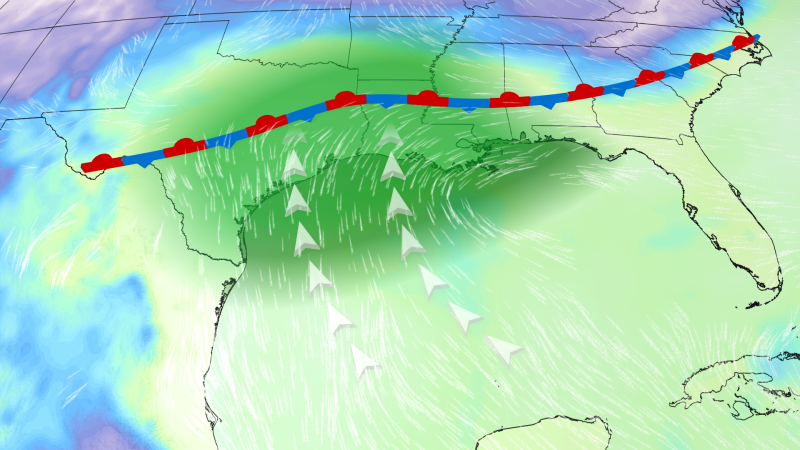
Major Flood Threat for Texas as Tropical Moisture Intensifies Storm Activity
Major flood threat for Texas and Gulf – Amid a heightened risk of severe weather, Texas faces a major flood threat this week, driven by an unusual surge of tropical moisture that is amplifying storm systems across the Gulf Coast. The National Weather Service has activated flood watches affecting over 20 million people, spanning central Texas to central Mississippi. This extreme rainfall, with projections of 5 to 10 inches in certain areas and potential for localized totals beyond that, could lead to life-threatening flash flooding and disrupt transportation infrastructure.
Tropical Moisture Driving Unprecedented Rainfall
The intensification of rain events in Texas is linked to the remnants of Tropical Storm Cristina, which formed in the Eastern Pacific and has now contributed significantly to atmospheric moisture. Though the system has a low chance of evolving into a tropical depression or storm within the Atlantic basin, its interaction with a stalled weather front is generating sustained heavy downpours. These rainfall rates, up to 3 to 5 inches per hour, are expected to persist for several hours, exacerbating the major flood threat for Texas and surrounding regions.
“This major flood threat for Texas is unlike anything we’ve seen in recent years,” remarked Texas Game Warden Capt. Matthew Kiel, highlighting the severity of flooding in McLennan County and neighboring areas. “Many low water crossings are already submerged, creating dangerous conditions for drivers.”
In Bandera County, emergency crews are working to locate a vehicle that was swept away by rising floodwaters on Monday. Judy Lefevers, the county’s Emergency Management Coordinator, noted that multiple water rescues have been conducted as the storm system continues to unleash intense precipitation. The situation underscores the widespread impact of the current weather pattern, which has already caused significant disruptions to local communities.
Regional Flood Risks and Projected Impacts
The National Water Center has outlined specific warnings for the upcoming flash flood threat, stressing the potential for widespread inundation in Texas and the Lower Mississippi Valley. The major flood threat for Texas is expected to grow over the next several days, with varying degrees of risk across different regions. Initially, South Texas and the Gulf Coast will see the highest intensity, but by Tuesday, the focus is likely to shift toward coastal areas and central Louisiana.
By midweek, the most vulnerable zones are projected to include Galveston, Houston, and parts of southwest Louisiana. The National Hurricane Center has warned that localized flooding could extend as far east as central Alabama and west-central Georgia. As the tropical moisture system moves northward, it will interact with a new cold front, potentially causing isolated flooding in the Tennessee and Ohio valleys by Thursday.
“The major flood threat for Texas will peak on Thursday, with some areas facing the highest risk of widespread flooding,” said National Water Center analysts. “This is a critical time for residents to monitor updates and prepare for potential emergencies.”
Historical Context and Weather Outlook
Experts are noting that the extended period of high flood risk is unusual, with the Weather Prediction Center issuing a Level 3 threat for flash flooding in Texas and adjacent states for four consecutive days. This is the first time such an extended forecast has been seen in the U.S. since July 2025, indicating a rare convergence of weather systems. The combination of tropical moisture and a stalled front is expected to maintain intense rainfall, particularly in regions already saturated by previous storms.
As the week progresses, the National Weather Service warns of continued heavy precipitation, which could lead to overflowing rivers, swollen creeks, and submerged roads. The major flood threat for Texas is not just about the volume of rain but also its duration, creating a scenario where flooding becomes a prolonged challenge for emergency responders and local authorities. Residents are advised to stay alert and take necessary precautions as the situation evolves.
