
Attorneys for Tyler Robinson urge judge to block death penalty over prosecutor’s comments to media about ballistics evidence
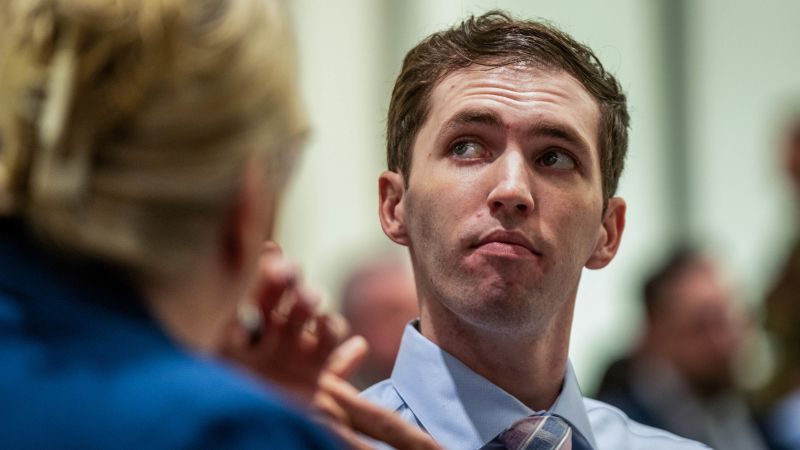
Tyler Robinson’s Attorneys Seek to Block Death Penalty Due to Media Comments
Legal Challenge Over Prosecutor’s Public Statements
Attorneys for Tyler Robinson urge judge – Tyler Robinson’s attorneys have urged the judge to block the death penalty, citing media comments by prosecutor Christopher Ballard that allegedly violated pretrial publicity rules. The motion, filed during Robinson’s trial for the murder of conservative activist Charlie Kirk, argues that Ballard’s remarks to news outlets about a key ballistics report compromised the fairness of the proceedings. The defense claims these statements introduced misleading information, potentially influencing the jury before they had access to all evidence. By highlighting the inconclusive findings of the ATF’s bullet fragment analysis, Ballard’s comments risked creating confusion about the case’s core facts, prompting the legal team to seek immediate intervention.
Ballistics Evidence and the Prosecution’s Defense
The controversy centers on a critical ballistics report regarding a bullet fragment found during Charlie Kirk’s autopsy. Robinson’s attorneys assert that the prosecutor’s public statements about this evidence breached a court-issued order to restrict pretrial publicity. Ballard, who defended the comments as necessary to correct misinformation, testified that the defense had mischaracterized the ATF’s findings. However, the defense argues that the report’s ambiguity was exploited to sway public opinion, putting Robinson at a disadvantage. The attorneys emphasize that the bullet fragment’s significance is central to the case, and its interpretation by the media could undermine the trial’s integrity.
The ATF’s analysis concluded the bullet fragment could not be definitively linked to the rifle used in the attack, yet Ballard’s interviews suggested a stronger connection. This discrepancy, the defense claims, created a perception of certainty where none existed. “Mr. Ballard’s comments to the media were not just informative—they were prejudicial,” stated Richard Novak, one of Robinson’s attorneys. The motion seeks to either suspend the death penalty or limit its application if Ballard is found in contempt. The judge’s decision will determine whether the prosecution’s media strategy is deemed fair or a strategic advantage.
Impact of Media Comments on Trial Fairness
Defense attorneys argue that Ballard’s statements to the media introduced a bias that could affect the jury’s judgment. The pretrial publicity order, issued to ensure an impartial trial, was designed to prevent prosecutors from making statements that might prejudice the case. By discussing the bullet fragment’s inconclusive nature, Ballard’s remarks risked overshadowing the defense’s arguments. “These comments created a narrative that the evidence was conclusive, even though it wasn’t,” Novak explained. The attorneys stress that the publicity order was meant to shield the defendant from premature judgments, a principle central to the legal process.
The prosecution, however, contends that the media statements were a response to the defense’s own filing. They assert that the defense had initially framed the ATF’s findings as inconclusive, leaving room for confusion. Ballard testified that the comments aimed to clarify the report’s implications, not to prejudice the case. The judge will weigh whether these statements were a legitimate attempt to inform the public or an overreach that compromised the trial. The outcome of this legal battle could set a precedent for how media statements are handled in high-profile cases.
Judge’s Role in Resolving the Dispute
Judge Tony Graf, overseeing the trial, will decide whether Ballard’s media comments violate the pretrial publicity order. The motion to block the death penalty hinges on the court’s assessment of the prosecutor’s actions. If found in contempt, Ballard’s statements could lead to sanctions or a delay in the death penalty proceedings. The judge will also consider whether hearsay evidence should be admissible at the upcoming preliminary hearing, which begins on July 6. This hearing is crucial for establishing probable cause and determining the next steps in the case.
Tyler Robinson’s attorneys have emphasized the importance of a fair trial, arguing that the media’s role in shaping public perception cannot be ignored. They urge the judge to act swiftly, as the momentum of the case has been influenced by Ballard’s statements. “The court has a responsibility to protect the defendant’s right to a trial free from external influence,” said Michael Burt, another defense attorney. The legal team’s argument underscores the tension between the prosecution’s need to communicate with the public and the defendant’s right to an impartial jury. This case highlights the challenges of maintaining trial fairness in the age of rapid media coverage.
