
Fury in India as its sailors become collateral damage in Trump’s war with Iran
Fury in India as its sailors face US strike casualties
Fury in India as its sailors – The recent US missile strike that killed three Indian seafarers has sparked widespread anger, raising concerns about the safety of Indian maritime workers in the region. The attack, which targeted a commercial oil tanker in the Sea of Oman, has deepened tensions between India and the United States, as the incident is seen as a direct consequence of the latter’s military actions against Iran. The event has intensified scrutiny over the risks posed to Indian laborers in international waters, with critics questioning the strategic timing of the strike.
The Attack and Its Immediate Aftermath
The M/T Settebello, a Palau-flagged ship, was struck by US forces on Wednesday while transporting Iranian oil. A precision munition hit the engine room, causing a fire and heavy smoke that engulfed the vessel. The 28 crew members onboard faced a chaotic evacuation, with three lives lost in the attack. This marks the first fatalities from US strikes in the ongoing campaign to disrupt Iranian oil supplies, highlighting the potential for unintended consequences in military operations.
“The US must account for the deaths of Indian sailors,” remarked India’s foreign ministry spokesperson, as the government sought to voice its disapproval of the incident. The strike has further strained diplomatic relations, with New Delhi expressing frustration over the lack of prior warning to Indian crews operating in the Gulf. This has led to increased calls for the US to review its tactics in the region, particularly as it affects Indian workers.
India’s Diplomatic Dilemma
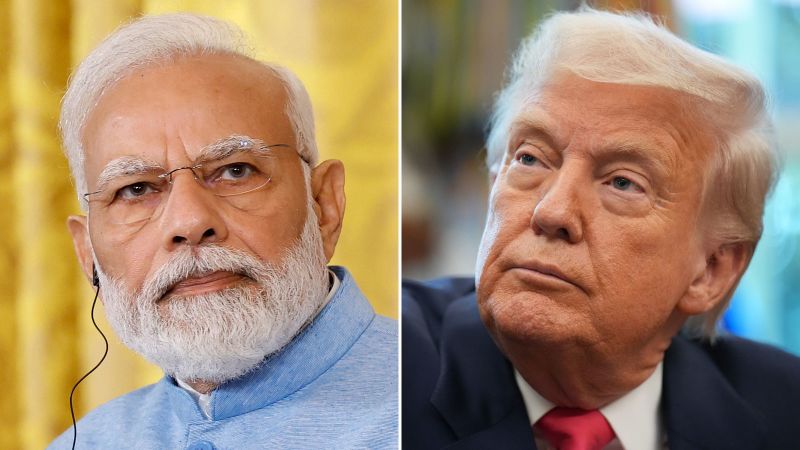
The timing of the strike is crucial, as it precedes the G7 summit in France where Indian Prime Minister Narendra Modi is set to meet US President Donald Trump. While Modi has not yet publicly commented on the incident, domestic unions are demanding clarity on the government’s stance. The US defense officials have argued that the Settebello’s crew ignored orders to halt, but this justification has done little to quell the fury in India over the loss of life.
India, a major provider of merchant marine labor, employs over 300,000 seafarers globally. The recent attacks have left these workers in a precarious position, especially in regions like the Gulf of Oman. Political analyst Kanti Bajpai noted that the deaths have “turned a diplomatic issue into a humanitarian concern,” emphasizing the need for the US to address the vulnerability of Indian laborers in its military campaigns.
Impact on Seafarers and Families
Of the 28 crew members on the Settebello, most were Indian nationals. This has galvanized families and unions, with many questioning the lack of immediate rescue efforts. Rajesh Sharma, the father of one of the victims, expressed deep sorrow: “I want to know what happened in his last moments. Was he given any rescue assistance? Why were three of our sailors lost in this attack?”
Just a day before the Settebello incident, 24 Indian sailors were rescued from the M/T Marivex after a US strike. Another attack on the M/T Jalveer, a Guinea-Bissau-flagged vessel, left Indian crew members unharmed. While these events are significant, the focus remains on the three fatalities, which have shaken the seafaring community and intensified calls for accountability.
Collateral Damage in a Global Conflict
India’s opposition has criticized the government for failing to protect its sailors during the US-Israeli campaign against Iran. The Indian National Congress accused the administration of prioritizing strategic interests over the safety of Indian citizens. “The Prime Minister’s close ties with Trump cannot shield him from the consequences of this loss,” the party stated in a recent press release.
India’s ports and shipping minister reiterated support for the families of the deceased, stating they “stand firmly with the bereaved.” However, the broader implications of the strikes persist. Manoj Yadav, general secretary of the Forward Seamen’s Union, highlighted the fragility of Indian seafarers’ safety: “Why was a commercial ship carrying no weapons targeted? The US could have boarded the vessel instead of striking it.”
Escalating Tensions and Strategic Concerns
The incident has reignited debates about the US-India strategic partnership, which has faced scrutiny in recent months. While the two nations share a common interest in countering Iran’s influence, the collateral damage has raised questions about the balance between military objectives and the safety of civilian workers. The attack has also underscored the need for clearer communication and coordination between the US and India to prevent further tragedies.
As the fallout continues, Indian officials are working to mend relations with Washington. The focus keyword, “Fury in India as its sailors,” has become a central theme in public discourse, reflecting both national outrage and the broader impact of the strike on India’s maritime workforce. The events underscore the delicate interplay between geopolitical strategy and the human cost of military operations.
