
From cartels to street vendors: Here’s who stands to profit (or not) from World Cup tourism in Mexico
From Cartels to Street Vendors: Who Benefits (and Who Might Be Left Behind) in Mexico’s World Cup Boom
Economic Impact on Local Enterprises
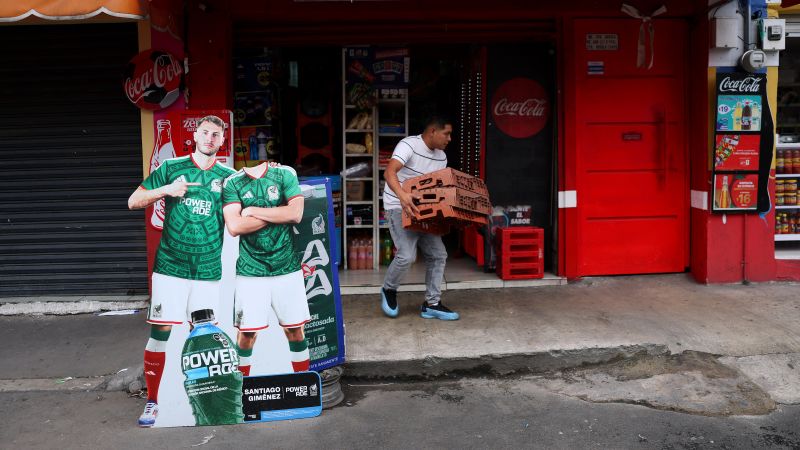
From cartels to street vendors – The vibrant hues of Mexico’s national flag are now dominating neighborhoods in Mexico City as preparations for the World Cup’s opening match, set for this Thursday, intensify. From bustling markets showcasing replica jerseys of the national team to digital billboards hyping up the tournament, the city appears primed to capitalize on the global event. Analysts estimate that the World Cup could inject approximately $3.7 billion (MX$65 billion) into Mexico’s economy, with tourism alone accounting for nearly half of that figure. This influx of visitors is already creating opportunities for businesses, as entrepreneurs and workers report a noticeable uptick in activity, especially in areas traditionally reliant on tourism.
El Zocalo, the heart of Mexico City, has transformed into a hub of festive energy. Street vendors and small shop owners are offering a range of unofficial World Cup memorabilia, from key chains shaped like soccer balls to plush figurines of Mexican presidents adorned with the team’s colors. At Salon Corona, a beloved spot for sports enthusiasts, manager Miguel Laguna anticipates a surge in customers during the tournament’s month-long run. “We’ve seen a steady increase in visitors, and we’re preparing for a 45-50% rise in business,” he said, highlighting the potential for growth in the city’s commercial districts.
Criminal Networks Capitalize on the Chaos
While the tournament brings economic promise, it also opens the door for organized crime groups. Security experts note that these networks are poised to exploit the situation through extortion and other illicit tactics. Despite efforts to protect tourists, local businesses that cater to them may become prime targets. In resort towns like Cancun and Puerto Vallarta, where the World Cup matches are not held but fans still flock for day trips, criminals have a history of siphoning profits from restaurants, nightclubs, and hotels. “These businesses have become lucrative for regional criminal factions,” explained Victoria Dittmar of the InSight Crime think tank, underscoring the delicate balance between opportunity and exploitation.
Scams are also a growing concern. Officials warn that counterfeit goods and fraudulent services could deceive fans, with fake tickets to Mexico’s 13 matches being a notable threat. Cybercriminals may even deploy deceptive apps and websites to mimic live match broadcasts, secretly installing malware on users’ devices. “These platforms are designed to steal banking credentials, monitor device activity, or integrate users into bot networks for illegal operations,” the Mexican government cautioned. Additionally, fake hospitality packages, rental agreements, and merchandise are being flagged as potential pitfalls for unsuspecting visitors.
Small Businesses Face Uncertainty
Despite the economic promise, some local business owners express apprehension. Nayeli, a kiosk manager in El Zocalo, fears that the tournament’s infrastructure could overshadow her small venture. “Even though we’re in a prime location, we might be pushed to the margins,” she said, referencing past instances where fan festivals led to street closures, disrupting customer access. The FIFA World Cup organizers have set up a “fan fest” zone in the plaza, complete with a massive screen, performance stages, and licensed vendors. While these efforts aim to enhance the visitor experience, they could inadvertently divert attention and foot traffic away from independent shops and street performers.
For Alejandro Gonzalez, owner of Garage Burger in a quieter residential area, the tournament represents a rare chance to boost sales. Though his location isn’t a traditional tourist hotspot, he’s investing in sports-themed decorations, including football-shaped balloons and themed ice coolers, to attract fans. “We have to grab this moment before it slips away,” he emphasized. His optimism contrasts with Nayeli’s concerns, illustrating the divergent perspectives among local stakeholders. The tournament’s economic ripple effect may not reach everyone equally, creating a scenario where some businesses thrive while others struggle to adapt.
Securing the Profit and Preventing the Loss
As the tournament unfolds, the challenge for authorities will be to safeguard both the financial gains and the safety of local communities. The government has issued several advisories, urging citizens to avoid unverified vendors and stick to accredited sources when purchasing goods or services. These measures aim to combat the rising tide of scams and ensure that the World Cup’s economic benefits are distributed more evenly.
While the World Cup is a celebration of sport and culture, its impact on Mexico’s economy is multifaceted. On one hand, it offers a platform for local enterprises to gain visibility and revenue. On the other, it highlights the vulnerabilities of businesses to criminal exploitation. The competition between legitimate commerce and organized crime could shape the tournament’s legacy, determining whether it’s remembered as a triumph of economic opportunity or a battleground for profit and power.
For many Mexicans, the World Cup represents a chance to showcase their nation’s vibrancy and hospitality. Yet, as the event draws crowds, it also raises questions about equity. Will the prosperity trickle down to small businesses, or will it be captured by larger entities and criminal groups? The answer may lie in the strategies adopted by local leaders and the effectiveness of their efforts to protect the interests of all stakeholders. As the first match approaches, the true test of the tournament’s economic impact begins, with outcomes that could redefine the fortunes of businesses and communities across the country.
The Road Ahead for Mexico’s Tourism Sector
The World Cup’s influence extends beyond immediate revenue, potentially reshaping Mexico’s tourism landscape. With international visitors flocking to cities like Mexico City and resort towns, the event could boost the country’s profile as a premier destination. However, the success of this transformation hinges on the ability to manage crowds, protect businesses, and maintain the integrity of the visitor experience. “We need to ensure that the excitement of the tournament doesn’t overshadow the authenticity of our culture,” said a local entrepreneur, reflecting the broader aspirations of the Mexican public.
As the tournament progresses, its long-term effects on the economy will become clearer. While some predict a surge in investment and job creation, others caution that the benefits may be unevenly distributed. The interplay between the World Cup’s popularity and the existing challenges of crime and competition will determine whether this event becomes a catalyst for widespread growth or a fleeting surge in wealth for a select few. For now, the streets of Mexico City are alive with the promise of the World Cup, but the reality of its impact remains to be seen.
For the millions of fans expected to arrive, the tournament offers an opportunity to experience Mexico’s rich culture and dynamic city life. Yet, their journey may be fraught with hidden costs, from counterfeit goods to security risks. The Mexican government and local businesses are working together to mitigate these threats, but the battle for control of the economic narrative is far from over. As the opening match draws near, the true test of the tournament’s impact begins, with the potential to either uplift or challenge the livelihoods of those who call Mexico home.
