
Seven people and two firms charged over Hong Kong deadly fire that killed 168
Seven people and two firms charged over Hong Kong deadly fire that killed 168
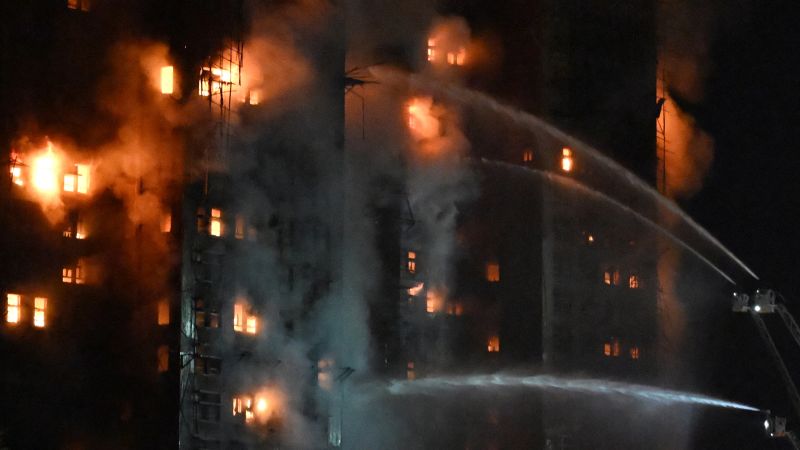
Seven people and two firms charged – Hong Kong’s legal system took a significant step forward on Wednesday as seven individuals and two corporate entities were indicted for a range of offenses, including manslaughter and conspiracy, following the catastrophic fire that claimed 168 lives in November 2025. The incident, which occurred on November 26, devastated the Wang Fuk Court residential complex, a tightly knit community in Tai Po’s suburban district. The blaze, described as the city’s deadliest in decades, engulfed seven apartment buildings, leaving families in mourning and sparking widespread calls for accountability.
Investigation Unfolds as Charges Mount
The charges against the seven people and two companies were announced by authorities in a statement released on Wednesday afternoon. Police and the Independent Commission Against Corruption (ICAC) have linked the fire to 25 separate offenses, which include allegations of money laundering, obstructing justice, and tax evasion. These charges come after months of scrutiny, during which former residents and bereaved families have demanded clarity on the causes of the disaster and the responsibilities of those involved.
The two firms accused are central to the renovation project that transformed Wang Fuk Court. One serves as the project consultancy, while the other acts as the main contractor. Their roles in the construction and maintenance of the buildings have been under intense examination, with investigators pointing to potential lapses in safety protocols. The seven individuals charged were reportedly part of the project’s leadership, each contributing to different aspects of the work that led to the tragedy.
Arrests and Legal Proceedings
Earlier in March, law enforcement agencies had already made several arrests related to the fire. A total of 38 people were taken into custody, with nine formally charged by police. The ICAC, meanwhile, added to the list by arresting 23 individuals on suspicion of bribery and other fraudulent activities. These arrests were part of a broader effort to trace the chain of events that culminated in the fire, which authorities believe was exacerbated by negligence and systemic failures.
The court hearings scheduled for Wednesday afternoon are expected to shed light on the legal cases against the accused. The charges will be presented alongside evidence from the investigation, which has been ongoing since the disaster struck. The focus of the proceedings will likely center on the role of the firms and individuals in the renovation project, particularly their adherence to safety standards and transparency in their operations.
Community Impact and Long-Term Effects
The fire not only left a trail of victims but also disrupted the daily lives of thousands of residents. Wang Fuk Court, which housed hundreds of families, was reduced to ashes, forcing many to relocate and rebuild their lives from scratch. The event has left deep psychological scars on the community, with residents describing the aftermath as a time of both grief and confusion.
Local officials have emphasized the importance of the charges in holding those responsible accountable. The case is seen as a critical moment for Hong Kong’s legal framework, particularly in how it addresses corporate and individual negligence in large-scale construction projects. Families of the victims have expressed hope that the legal process will provide justice and prevent similar tragedies in the future.
Fire Safety Failures and Human Error
Victor Dawes, a legal representative of an independent committee probing the fire’s origins, highlighted the human element in the disaster. In a statement, he noted that nearly all fire safety systems failed on the day of the incident due to errors in design or maintenance. This assertion underscores the complexity of the case, as it implicates not just corporate malfeasance but also systemic oversight in ensuring safety standards were met.
“The collapse of fire safety measures was not an accident but a result of repeated human mistakes, from the planning stages to the final execution of the project,” Dawes stated. “These failures created a perfect storm that turned a routine renovation into a deadly event.”
The independent inquiry, which has been active since the fire, aims to determine whether regulatory bodies were complicit in allowing the conditions that led to the blaze. Dawes’ comments suggest that the investigation is uncovering a pattern of negligence, which may have broader implications for Hong Kong’s construction industry. The legal proceedings are expected to be closely watched, as they could set a precedent for future cases involving similar safety violations.
Broader Implications for Corporate Accountability
The charges against the two companies have drawn attention to the role of corporate entities in public safety. As the main contractor, one firm has been accused of cutting corners to meet deadlines, while the consultancy firm is under scrutiny for approving flawed designs. These allegations highlight the tension between profit-driven development and the need for rigorous safety standards, a debate that has intensified in the wake of the disaster.
Legal experts argue that the case represents a turning point for Hong Kong’s approach to corporate accountability. “This is not just about individual blame but about the entire system that allowed such a tragedy to occur,” said one analyst. “The firms involved are now being held to account for their decisions, which directly impacted the lives of hundreds of people.”
The prosecution will need to demonstrate that the accused acted with intent or gross negligence. The evidence includes witness testimonies, building blueprints, and records of safety inspections. If successful, the charges could lead to severe penalties for the companies and individuals involved, potentially including fines and imprisonment. The case also serves as a reminder of the importance of robust oversight in construction projects, especially those involving high-density residential areas.
Public Reaction and Calls for Reform
Residents and community leaders have been vocal in their demands for reform. Many have called for stricter regulations on building renovations and greater transparency in corporate practices. The fire has become a symbol of the risks associated with rapid urban development, prompting debates about whether safety standards are being prioritized over speed and cost efficiency.
As the legal cases proceed, the focus will remain on the factors that contributed to the fire. The independent inquiry is expected to publish its findings in the coming weeks, which could further influence the court’s decisions. Meanwhile, the families of the victims continue to seek justice, hoping that the charges will not only hold the accused accountable but also prevent future disasters.
The incident has also reignited discussions about the role of the ICAC in investigating corruption linked to public safety. The agency’s involvement in the case underscores the growing concern that bureaucratic inefficiencies and personal interests may have played a role in the disaster. With the trial approaching, all eyes are on Hong Kong’s legal system to deliver a verdict that reflects the gravity of the tragedy and the responsibility of those who failed to protect the community.
