
Trump administration proposes new rules on prediction markets that would still allow most sports activity
Trump Admin Proposes New Prediction Market Rules
Trump administration proposes new rules on prediction – The Trump administration proposes new rules on prediction markets, setting federal regulations in motion. This initiative is part of a broader effort to streamline oversight while allowing continued engagement in sports betting. The Commodity Futures Trading Commission (CFTC) has taken the lead in drafting the framework, which emphasizes clarity without overreaching. By maintaining the current structure of the industry, the rules ensure that sports-related activities remain largely unaffected. The proposal aims to empower the CFTC to monitor specific contracts without impeding the growth of prediction markets.
Sports Market Regulations and Risk Management Focus
A core aspect of the Trump administration’s proposed rules on prediction markets is the emphasis on sports betting. Platforms such as Kalshi and Polymarket dominate trading in sports outcomes, from professional games to high school events. The CFTC has targeted contracts involving individual athlete performance, like injury predictions or first-pitch bets in baseball, as higher-risk areas. These provisions are designed to limit potential manipulation while keeping broader sports activity unrestricted. The framework also includes provisions for future markets tied to sports, offering a balanced approach to regulation.
While critics argue that sports betting on prediction sites is akin to traditional gambling, the new rules do not eliminate this possibility outright. Instead, they create a system where the CFTC can selectively intervene in markets deemed more vulnerable to fraud or market distortion. The administration’s focus on sports markets reflects a strategic choice to address concerns without stifling the overall innovation in prediction markets. This targeted approach allows for federal oversight to coexist with the existing decentralized structure of the industry.
Industry Reactions and Regulatory Debate
Industry stakeholders have responded with mixed reactions to the Trump administration’s new rules on prediction markets. Some view the framework as a pragmatic solution that safeguards market integrity, while others argue it does not go far enough. Advocates for stricter controls had previously pushed for measures like raising the minimum age for participation or banning prop bets on athletes. However, the proposal retains key elements of the current system, avoiding the most contentious elements like Biden-era restrictions on election-related betting.
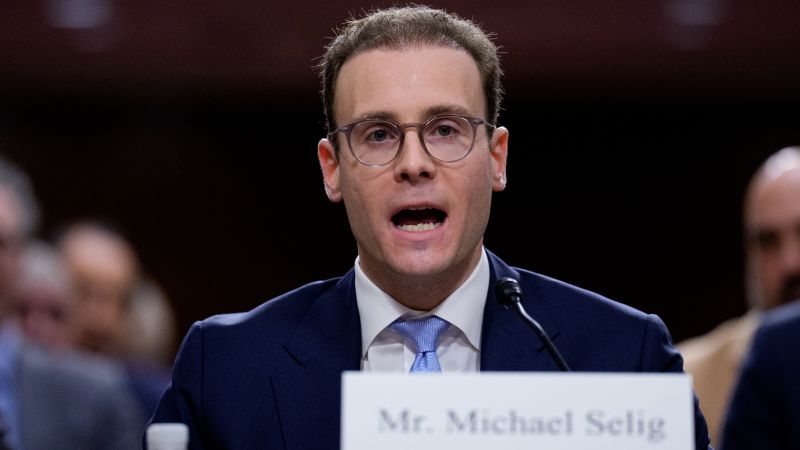
Despite calls for tighter regulations, the Trump administration’s rules on prediction markets align with its support for financial markets. The CFTC’s chair, Mike Selig, has consistently championed the industry since taking over in December 2023. By framing the rules as a tool for targeted intervention, the administration aims to maintain the growth of prediction markets while ensuring compliance with federal standards. This approach reflects a compromise between innovation and accountability, with the CFTC poised to act as the primary regulator.
“The Trump administration’s new rules on prediction markets provide a clear pathway for the CFTC to enforce oversight without stifling responsible innovation,” stated CFTC Chair Mike Selig. “These provisions allow us to focus on high-risk areas, such as athlete-specific bets, while preserving the integrity of sports-related trading.”
Federal vs. State Regulatory Dynamics
The proposed rules on prediction markets highlight the ongoing tension between federal and state regulatory authorities. While the CFTC has historically overseen these markets, many states have argued that sports bets on prediction platforms are fundamentally gambling. The Trump administration’s framework seeks to resolve this debate by reinforcing the financial nature of prediction markets. Contracts based on event outcomes, rather than house odds, are central to this distinction. By doing so, the proposal aims to clarify the CFTC’s authority and reduce conflicts with state-level gambling regulations.
Although the rules on prediction markets do not fully address all concerns, they establish a precedent for federal intervention in specific cases. This could set the stage for future debates on the scope of regulation, particularly as the CFTC gains more power to scrutinize contracts tied to sports. The framework also allows for flexibility, enabling the commission to adapt to evolving market practices. With the Trump administration’s support, the CFTC is positioned to act decisively while keeping the industry’s dynamic nature intact.
