
Japanese city closes nearly 100 schools after bear sightings as post-hibernation attacks rise
Japanese City Closes Over 90 Schools Amid Rising Bear Activity
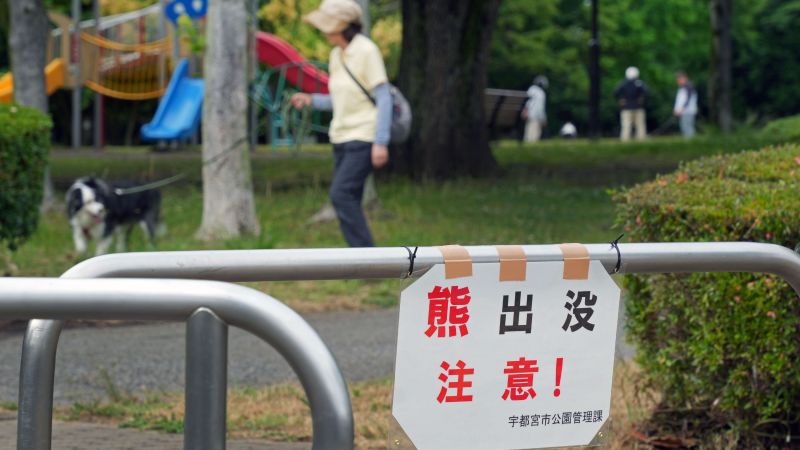
Japanese city closes nearly 100 schools – Following a string of bear encounters this week, Utsunomiya City, a bustling region north of Tokyo with a population of approximately 500,000, took swift action by shutting down about 100 schools to ensure public safety. The decision came after officials reported multiple sightings of bears in the area, sparking concerns about the animals’ increased presence in urban settings. This marks a significant escalation in the city’s efforts to combat the growing threat posed by bears, which have become more active as they emerge from hibernation.
The Wildlife Management Group of Utsunomiya confirmed the first bear sighting of the season on Saturday, setting off a chain of events that led to the citywide closures. By Sunday, a bear was spotted on the premises of a local junior high school, and later that night, security cameras captured footage of the animal wandering through a downtown shopping district. Since then, the group has reported sightings in various parts of the city, with police officers verifying the bear’s presence again on Monday night. These incidents have prompted authorities to intensify their search for the animals and reassess safety protocols.
Public education institutions, including all elementary and junior high schools, were closed starting Monday as a precautionary measure. The city board of education has not yet announced whether schools will reopen later in the week, leaving residents in uncertainty. To address the situation, police officers and members of the local hunting association began patrolling the city on Tuesday, ultimately succeeding in capturing the bear that evening. According to Reuters, the footage from the scene showed hunters tranquilizing the animal with a dart gun before transporting it away in a truck.
Meanwhile, city officials have urged residents to take additional precautions to prevent bears from entering their homes. Recommendations include locking doors and windows, especially during nighttime hours, and avoiding leaving trash unattended. These measures are part of a broader strategy to mitigate human-bear conflicts, which have grown more frequent in recent months. As the city grapples with this issue, it reflects a larger trend across Japan, where bears have increasingly ventured into populated areas, posing a danger to both people and property.
Japan’s Growing Bear Crisis
Japan has long faced challenges with its bear population, but the situation has reached critical levels in recent years. The surge in attacks has been described as a national emergency, prompting authorities to deploy military personnel to affected regions. International governments have also issued travel advisories, warning visitors of the potential risks in certain areas. Viral videos of bears rummaging through supermarket aisles and roaming school grounds have further heightened public anxiety, making the issue a focal point for local communities.
The increase in bear-related incidents is attributed to several interconnected factors. First, the population of bears has grown significantly due to reduced hunting activity. Conservation efforts and a decline in traditional hunting practices have led to fewer culling operations, allowing the species to thrive. Climate change has also played a role, as it has disrupted natural food sources, forcing bears to seek alternative sustenance. Additionally, the depopulation of rural areas has created more opportunities for bears to enter human-inhabited zones, as these regions now have fewer people to deter them.
Bear attacks peaked toward the end of the year, but the situation eased during early 2026 as the animals entered hibernation. However, with Japan’s temperatures rising into summer, bears have begun to reemerge, returning to urban and suburban environments. This shift has led to a noticeable uptick in incidents, with several attacks reported in the last few weeks. On June 2, a bear attack injured four individuals at a steel factory in Fukushima, located about 170 kilometers from Utsunomiya. NHK, the public broadcaster, reported that at least 20 people were attacked by bears across nine prefectures between April and June 2, highlighting the widespread nature of the problem.
Many of these attacks occurred in mountainous regions, where bears typically forage for wild plants and vegetables. However, as their natural habitats shrink, the animals have been forced to travel greater distances to find food, increasing the likelihood of encounters with humans. This pattern has been observed in recent months, with bears showing greater aggression and adaptability in their behavior. The Utsunomiya incident is a microcosm of a broader crisis, underscoring the need for coordinated efforts between local governments, wildlife management groups, and the public to prevent further incidents.
Authorities have emphasized the importance of community vigilance, urging residents to report any bear sightings immediately. They have also introduced new guidelines for managing trash and securing homes, particularly in areas where bears are frequently spotted. While the city’s decision to close schools may seem drastic, it reflects the urgency with which officials are approaching the situation. The successful capture of the bear in Utsunomiya serves as a temporary relief, but experts warn that the challenge is far from over.
Environmental scientists and wildlife experts are now analyzing the long-term implications of the bear population surge. They note that the combination of habitat loss, climate change, and decreased hunting pressure has created a perfect storm for increased human-bear interactions. With summer in full swing, the likelihood of more attacks is expected to rise, prompting further action from local and national authorities. The Utsunomiya closures are a stark reminder of the need for proactive measures to protect both human safety and the bear population’s natural behaviors.
“On bear patrol: Inside Japan’s fightback against a surge of deadly bear attacks.”
As the city continues to monitor the situation, the broader implications for Japan’s wildlife management strategies are being debated. The incident has sparked discussions about the balance between preserving bear populations and ensuring public safety. While some advocate for stricter regulations on hunting and habitat preservation, others emphasize the importance of immediate action to prevent further casualties. The Utsunomiya case exemplifies how these challenges are manifesting in real-time, requiring a multifaceted approach to address the growing threat.
With the summer season in full gear, the city’s efforts to contain the bear situation will be closely watched. The successful capture of the animal offers hope that the crisis can be managed, but it also highlights the complexity of the issue. As bears continue to adapt to their changing environment, the need for sustained vigilance and innovative solutions remains paramount. The closures of schools and the heightened awareness among residents signal a shift in how Japan is preparing to coexist with its growing bear population in the coming months.
