
Boo who? Gen Z loves horror because real life has scared them plenty
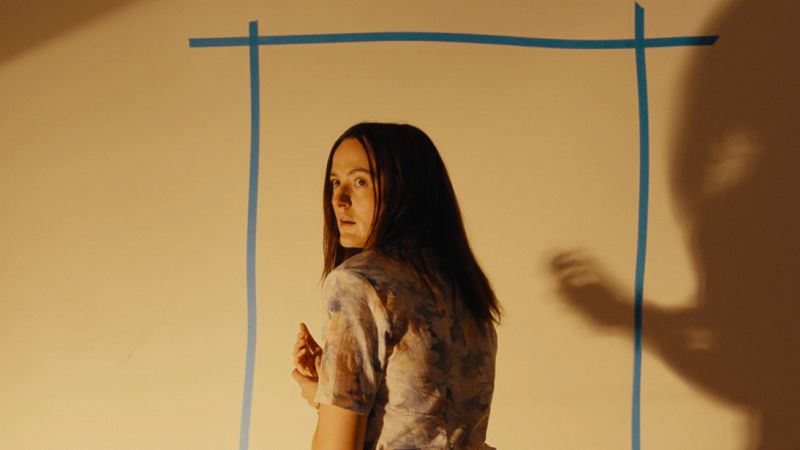
Boo who? Gen Z loves horror because real life has scared them plenty
Boo who Gen Z loves horror – Gen Z’s reality has become a relentless source of fear. From the economic instability of the 2008 financial crisis to the ongoing challenges of a global pandemic, and the pervasive sense of dread surrounding school shootings and climate disasters, this generation has grown up in a world that feels increasingly unpredictable. It’s no surprise, then, that horror films like Obsession and Backrooms have captured their attention in unprecedented ways. These movies aren’t just entertainment—they’re a reflection of the anxieties that shape Gen Z’s daily lives, offering a cathartic escape for a generation navigating a turbulent reality.
The Genre Shift: Horror as a Mirror to Modern Anxieties
Therapist and author Lauren Cook, who wrote Generation Anxiety: A Millennial and Gen Z Guide for Staying Afloat in Uncertain Times, argues that horror has evolved to align more closely with the concerns of Gen Z. “The genre of horror has kind of shifted with Gen Z, where it’s exploring some darker real-life concepts sometimes rather than just the gore and things like that,” she said. While traditional horror often relied on visceral shocks and supernatural thrills, today’s films delve into psychological and societal themes that resonate deeply with younger audiences.
Take Obsession, for instance. Though it features bloodshed and surreal elements, its core narrative revolves around a man’s longing for a woman he once loved. Directed by 26-year-old YouTuber Curry Baker, the film isn’t just about scares—it’s a commentary on modern dating culture and the emotional toll of unrequited love. “There’s a lot of red pill culture in the story that promotes the idea men face systemic bias,” Cook noted. “It calls for an end to feminism and longs for traditional values, which are themes Gen Z can relate to.”
Similarly, Backrooms explores themes of isolation and trauma through its psychological horror. The film, directed by Gen Z filmmaker Kane Parsons, stars Chiwetel Ejiofor as a furniture store owner who spirals into his own darkness. Inspired by Parsons’ YouTube series, the movie mirrors the feelings of entrapment and existential dread that many Gen Z viewers experience in their own lives. “It’s not just about jump scares or monsters,” Cook added. “It’s about the internal struggles and the way reality feels overwhelming.”
Real-World Influences on the Genre
Gen Z’s exposure to a world shaped by economic uncertainty, climate catastrophes, and the normalization of violence in schools has made them more attuned to the deeper meanings in horror. The 2008 financial crisis, for example, served as a backdrop to their formative years, instilling a sense of financial insecurity that persists into adulthood. Now, with AI threatening to reshape the job market, the stakes feel higher than ever.
“They enjoy the honesty that horror can bring,” said Kaitlyn Ruano, a 23-year-old high school teacher who analyzes movies and TV on her site The Drama Drive-In. “It’s not trying to sugarcoat things. They can sit with that morbidity a little bit more than maybe previous generations have, where they want to plaster things and put a smile on it. I think that’s actually a strength.” This ability to confront fear head-on has made Gen Z more receptive to horror’s unique storytelling and emotional depth.
Horror has always mirrored the fears of its time. In the 1970s, slasher films reflected societal anxieties about violence and sexuality. The 1980s and 1990s saw a surge in “Satanic panic”-inspired horror, with movies like The Craft tapping into fears of the unknown and the supernatural. By the 2000s, the genre had shifted toward action-based storytelling, with zombie movies becoming a cultural touchstone during the War on Terror. Now, Gen Z is driving a new wave of horror that captures the complexities of contemporary life.
Data Backs the Trend: Horror’s Growing Appeal
The data supports this cultural shift. A report from market research firm Statista found that Gen Z consumers were the most likely to watch horror movies or TV shows, with 91% of them doing so. Cathy Boxall, global head of entertainment at advertising agency Dentsu, recently cited this study, highlighting that the percentage represented “the highest share of any generation.”
Boxall also noted that horror is now Gen Z’s third-favorite genre, trailing only comedy and action. The numbers are accelerating: scary movies now account for 17% of North American ticket sales, a significant jump from just 4% a decade ago. This trend is not just a coincidence—it’s a response to the real-world challenges that Gen Z has faced. “Horror is a genre that reflects the current state of society,” Boxall wrote. “It’s a way for people to process their fears and find meaning in the chaos.”
For filmmakers, this growing interest in horror is both a challenge and an opportunity. Studios like A24, which produced Backrooms, have capitalized on the trend, with Parsons becoming the youngest filmmaker in Hollywood history to achieve a No. 1 box office debut. Gen Z’s support helped Backrooms gross about $80 million in North America and $120 million worldwide during its opening weekend. Similarly, Obsession reached No. 2 in its weekend, making close to $150 million since its May 15 release—despite a production budget of just $750,000.
These box office triumphs are a testament to how effectively horror can connect with Gen Z. The genre no longer relies solely on jump scares or gore; instead, it offers narratives that mirror the struggles of a generation defined by social issues and existential uncertainty. As Ruano explained, “Every generation seems to be defined by their own horror subgenre. Gen Z’s is about the internal conflicts and the way they feel trapped by the world around them.”
Gen Z’s affinity for horror isn’t just about entertainment—it’s about validation. They’ve seen the world through a lens of crisis, and the genre’s ability to explore those themes gives them a sense of solidarity. “It’s like they’re not alone in their fears,” Cook said. “Horror becomes a shared experience, a way to articulate what they can’t always put into words.”
In an era where uncertainty feels like the norm, Gen Z turns to horror to make sense of their reality. Whether it’s through the psychological depths of Backrooms or the social commentary in Obsession, these films provide a space for reflection, catharsis, and connection. As the industry continues to adapt to their tastes, it’s clear that horror is more than just a genre—it’s a mirror held up to a generation that’s lived through too much to ignore.
