
California man charged with bringing explosives to Sacramento airport after repeatedly calling FBI tip line
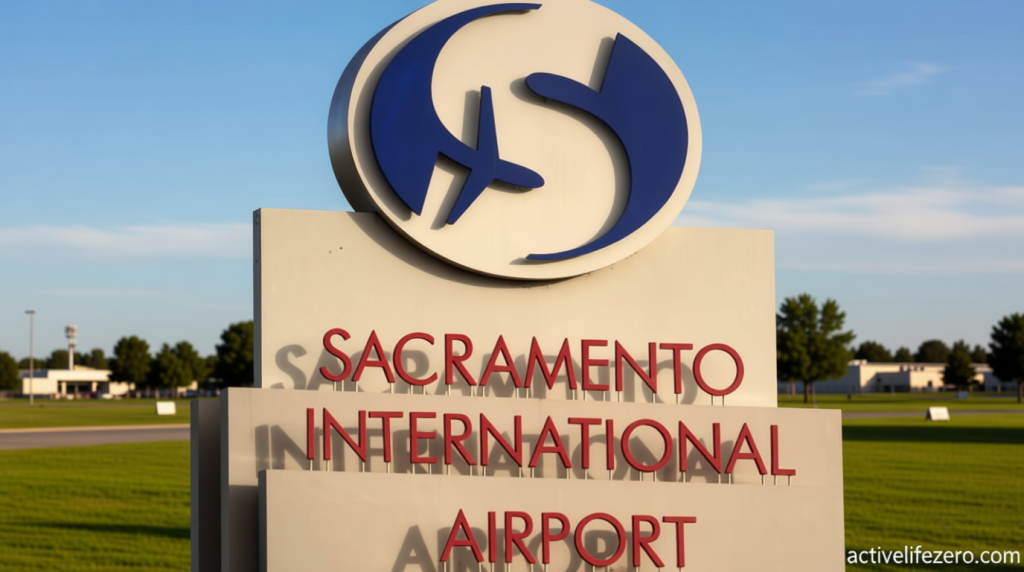
California Man Charged with Bringing Explosives to Sacramento Airport Following FBI Tip Line Calls
A 49-Year-Old Individual Faces Federal Charges After Security Breach
California man charged with bringing explosives – On Tuesday, a 49-year-old California resident was formally charged with possessing explosive materials at Sacramento International Airport, according to recent court filings. The incident occurred on May 30, when Kimani Osayande Jones, also known by his last name Jackson, attempted to pass through a TSA security checkpoint with a homemade explosive device, a knife, and other bladed weapons. Additionally, he carried a torch lighter and zip ties. The explosive material was identified as an improvised device, which authorities confirmed was both “viable and energetic” after being examined by bomb technicians.
Repetitive FBI Tip Line Activity Before the Incident
Court records reveal that Jones had previously engaged with the FBI’s public tip line, making approximately 13 calls in the months leading up to May 30. These communications were reportedly centered around his claims of being threatened and intimidated by others. The calls began in March and included allegations that he had been followed to and from a medical appointment, with the caller describing perceived threats and intimidation from an unknown individual. One report stated that he believed he was being “coerced in sleep to say certain phrases through digital media,” while another mentioned hearing “sounds coming through walls, window panes, or even outside, attributing the outside sounds to drones.”
Security Checkpoint Inspection and Device Discovery
During the May 30 incident, Jones arrived at the airport wearing a face mask and blue latex gloves, as noted in court documents. When officers discovered the explosive device and other items in his carry-on bag, he initially claimed unawareness of their presence, stating he would be “okay with just discarding them.” However, authorities clarified that explosive material could not be simply disposed of, prompting him to deny ownership of the bag.
Canine Unit and Luggage Inspection
Following the initial discovery, a canine unit was deployed to inspect Jones’ luggage, which had already passed through security and was loaded onto an American Airlines flight to Charlotte, North Carolina. The search yielded no “illegal or concerning” items, according to investigators. Meanwhile, bomb technicians carefully removed the explosive device and conducted tests on its powder and fuse, confirming its potential to damage an aircraft and disrupt cabin pressure.
Legal Consequences and Potential Penalties
Jones has been charged in federal court with the unlawful possession of explosive material at an airport. If convicted, he faces a maximum sentence of five years in prison and a fine of up to $250,000. His defense attorney, Meghan McLoughlin, emphasized that the case may reveal more than just the government’s allegations, stating, “There is often more to these cases than the government’s allegations, and that the criminal process will reveal Mr. Jones’ story as well.”
Surveillance and Equipment in His Possession
Beyond the explosive device, Jones was found in possession of five mobile phones. Authorities suspect that the cameras on each phone were covered with painter’s tape, likely to prevent recording of his surroundings. This detail adds to the narrative of his perceived paranoia and efforts to avoid being monitored.
Timeline of FBI Calls and Psychological Context
The FBI tip line calls, which began in March, suggest a pattern of concern from Jones. On May 24, the same caller reported feeling threatened by others throughout the previous year, alleging that cyber means were used to intimidate him. This included claims of being “coerced in sleep” via digital media, which he said caused him to hear sounds from outside his environment. These reports were eventually dismissed due to their “nonsensical nature,” though they highlight his belief in ongoing surveillance.
History of Paranoia and Law Enforcement Interaction
The Sacramento County Sheriff’s Office noted that Jones had a history of paranoia, which was evident during prior interactions. The agency’s records indicate that he had previously expressed concerns about being watched, a sentiment that may have influenced his actions on May 30. This background underscores the psychological factors potentially contributing to his behavior.
Additional Incident Involving Frontier Airlines
While the focus of the Sacramento case remains on the explosive possession, another incident involving Jones was reported
