
Russia ramps up aerial attacks as it struggles on the ground in Ukraine
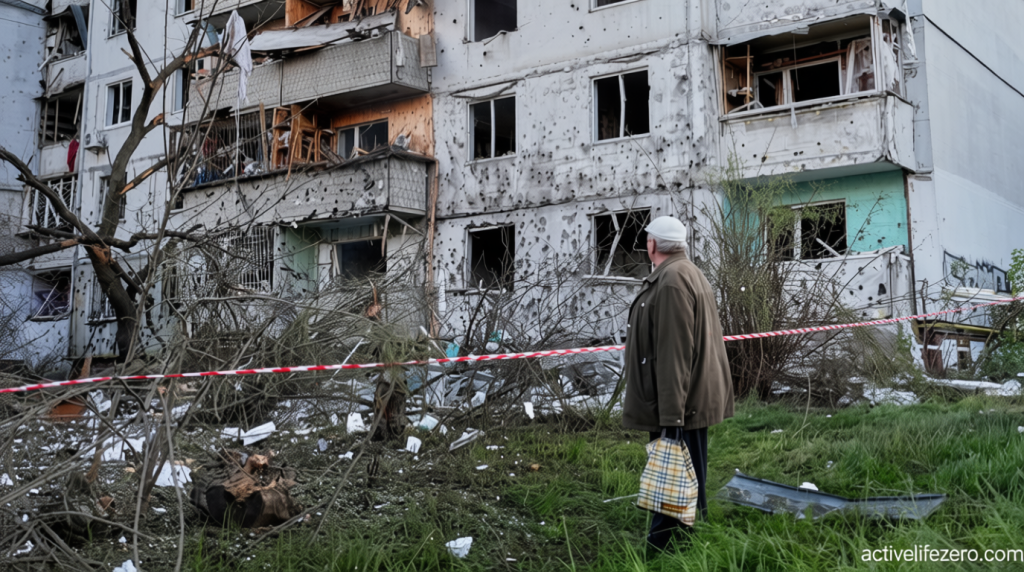
Russia Ramps Up Aerial Attacks as Ground Forces Face Setbacks in Ukraine
Russia ramps up aerial attacks as it – In recent months, the scale of Russia’s air strikes against Ukraine has intensified, with the country facing an unprecedented surge in drone and missile attacks. This escalation comes as Moscow’s ground operations have stalled, prompting the Russian military to shift focus to aerial bombardments in an attempt to exert pressure on Ukraine’s leadership and disrupt its war effort. According to Ukrainian officials, the latest wave of attacks included a record number of hypersonic Zircon missiles, marking a significant evolution in the conflict’s air warfare dynamics.
The coordinated barrage employs a layered approach, combining swarms of inexpensive drones with faster-moving ballistic and cruise missiles in a calculated sequence. Analysts suggest this strategy aims to saturate Ukraine’s air defense systems, ensuring that a portion of the missiles reach their targets despite the nation’s efforts to intercept them. The latest assault, which targeted multiple regions, left 23 fatalities and 151 injuries, according to Ukrainian authorities. This marked a notable increase in casualties compared to previous attacks, underscoring the growing intensity of the aerial campaign.
Strategic Pressure and Defeat on the Ground
Thomas Withington, an associate fellow at the Royal United Services Institute (RUSI), noted that Russia’s struggles on the battlefield have forced it to rely heavily on air power. “If you’re Russia, your ability to apply military pressure through ground advances has diminished,” he explained. Withington highlighted that Ukraine’s recent territorial gains, including reclaiming more land than Russia seized in April, have weakened Moscow’s strategic advantage. This shift has compelled the Russian military to adopt alternative methods, such as overwhelming air defenses, to maintain its influence in the conflict.
Ukrainian President Volodymyr Zelensky addressed the situation during an interview with CBS News, stating that the country receives only 60 to 65 interceptor missiles monthly due to production limitations. “The number of interceptors available is limited, and many were deployed in the Middle East,” said Yurii Ihnat, a spokesperson for the Ukrainian Air Force, following a heavy bombardment on Tuesday. The lack of sufficient defensive weapons has left Ukraine vulnerable to increasingly sophisticated missile attacks, particularly those involving hypersonic technology.
Targeting Vulnerable Areas and Key Infrastructure
Russia’s latest air strikes targeted Kyiv, a central hub for government operations, and other regions with critical infrastructure. Despite Kyiv’s relatively robust air defenses, the attack caused significant damage, including fires in high-rise buildings and destruction of vehicles on city streets. The Russian Ministry of Defense confirmed that some military installations were hit, though the exact extent of the damage remains under assessment. Analysts suggest that the capital is a primary strategic objective, given its symbolic importance and the concentration of Ukraine’s leadership.
Elsewhere, the attacks resulted in widespread casualties and infrastructure disruption. In Dnipro, a so-called “double tap” strike killed a firefighter as he responded to an earlier wave of attacks. Energy facilities in the Kharkiv region were also targeted, raising concerns about Ukraine’s ability to maintain power supply during sustained assaults. The use of hypersonic Zircon missiles, which travel at speeds exceeding Mach 5, has made interception more challenging. “These missiles are almost impossible to shoot down,” said an unnamed defense analyst, emphasizing their threat to both military and civilian targets.
Defense Systems and the Challenge of Speed
While Ukraine’s air defenses have demonstrated resilience, experts warn that the increasing speed and complexity of Russian attacks are testing their limits. The country has managed to intercept approximately 90% of drones each month, but the interception rate for ballistic missiles and Zircon hypersonic weapons remains lower. “High-speed munitions require more advanced systems to neutralize, and Ukraine’s resources are stretched thin,” noted Withington. This has led to a situation where the Russian military can bypass certain defenses, particularly in less protected areas.
The Center for Strategic and International Studies (CSIS) reported that Russia’s monthly drone launches have risen from around 5,000 to over 8,000, reflecting a strategic shift toward overwhelming Ukrainian defenses. Although some drones evade interception, causing civilian casualties and damaging homes, Ukraine’s electronic warfare capabilities have helped divert a portion of the attacks away from densely populated zones. However, the sheer volume of missiles—41 in the most recent assault, surpassing the total number launched last month—has pushed the defense system to its capacity.
Psychological Warfare and Long-Term Implications
Experts argue that Russia’s air attacks are not only aimed at physical destruction but also at instilling fear among the Ukrainian population. “These strikes are part of a broader effort to erode public morale and force political concessions,” said an unnamed defense strategist. The psychological impact is compounded by the unpredictability of hypersonic missiles, which can strike with minimal warning. This has created a climate of anxiety, with civilians in major cities bracing for frequent bombardments.
Despite the challenges, Ukraine has maintained a steady defensive posture. “Our systems are adapting, even as the scale of attacks grows,” stated Ihnat. The use of electronic warfare and drone countermeasures has allowed Ukraine to mitigate some of the damage, but the need for more advanced interceptors persists. Withington warned that the current reliance on air strikes could define the conflict’s trajectory, as Russia seeks to compensate for its ground losses with aerial dominance.
As the war enters a new phase, the balance of power continues to shift. Ukraine’s ability to withstand the onslaught will depend on its capacity to secure additional defensive equipment and sustain its counteroffensive efforts. Meanwhile, Russia’s aerial campaign highlights the evolving nature of modern warfare, where technological superiority and psychological tactics play as critical a role as conventional military operations. The coming months will likely determine whether this strategy can achieve its intended goals or if Ukraine’s resilience will prevail in the face of relentless attacks.
“The use of air power is possibly the only avenue open to the Russian leadership now,” said Withington, underscoring the urgency of the situation. “They need to create a perception of threat to pressure Ukraine into a more favorable negotiating position.”
With the war intensifying in the skies, both nations face a precarious path forward. Ukraine’s defenses, though effective, must evolve to keep pace with Russia’s relentless aerial assaults. The outcome of these battles will not only shape the conflict’s immediate course but also influence its long-term resolution. As the bombardments continue, the struggle for dominance in the air remains a critical front in the broader war for Ukraine’s sovereignty.
