
Trump signs executive order asking for access to new AI models before they launch
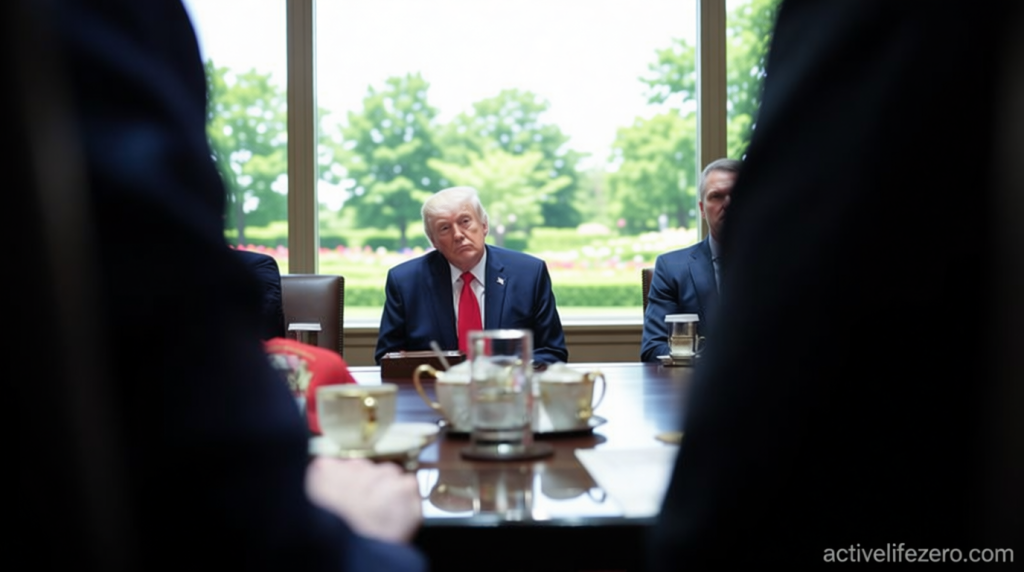
Trump signs executive order asking for access to new AI models before they launch
Trump signs executive order asking for access – On Tuesday, President Donald Trump unveiled an executive order aimed at securing early government access to cutting-edge artificial intelligence models. The directive, which focuses on assessing cybersecurity risks and safeguarding essential infrastructure, responds to growing concerns about the potential threats posed by advanced AI systems. Models like Anthropic’s Mythos have sparked alarm among both public officials and financial analysts, raising questions about how swiftly these technologies could be exploited.
The new order proposes a voluntary framework for AI developers to share their latest models with federal agencies up to 30 days before public release. This approach allows government entities to evaluate the security implications of AI advancements, including the ability to identify vulnerabilities in critical systems. The initiative is part of a broader strategy to ensure that innovation in artificial intelligence does not outpace the safeguards needed to protect national interests.
Revised Timeline and Industry Input
The executive order had been anticipated for nearly two weeks, yet its unveiling was delayed just hours before the planned signing ceremony. A revised version, finalized after consultations with key advisors, replaced the initial proposal that called for a 90-day review period. Industry insiders noted that many firms favored a shorter timeline, arguing that the rapid pace of AI development makes lengthy evaluations impractical. A meeting on Monday with top administration officials and AI sector leaders was instrumental in shaping the final version of the directive.
According to a source close to the White House, the decision to shorten the review window reflected feedback from companies eager to avoid bureaucratic hurdles. The order emphasizes collaboration between the government and private sector, positioning it as a balanced approach to fostering innovation while addressing security concerns. A spokesperson for the administration highlighted this, stating that the directive embodies Trump’s “common-sense approach of collaborating with industry to balance innovation and security, cementing America’s continued global dominance in AI and cybersecurity.”
Voluntary Framework and Cybersecurity Measures
The order explicitly states that the voluntary pre-release of AI models does not establish a requirement for mandatory government approval. This distinction is crucial, as it preserves the autonomy of companies while enabling the government to request information on models with significant cyber capabilities. National security agencies are also tasked with establishing a “cybersecurity clearinghouse” to streamline the exchange of threat intelligence and best practices.
Anthropic, the company behind the Mythos model, has been a focal point of the debate. The Pentagon blacklisted the firm earlier this year, citing concerns about its models’ potential to compromise classified military systems. This disagreement over technical safeguards has contributed to the urgency for a regulatory framework that addresses both security and speed. OpenAI’s chief global affairs officer, Chris Lehane, praised the executive order, calling it “an important step forward” that aligns safety with innovation. He emphasized that “effective safety frameworks should continue to be developed through democratic institutions, informed by technical expertise and broad stakeholder input,” to maintain public trust.
Microsoft President Brad Smith echoed similar sentiments, stating in a separate statement that the order “is an important step toward advancing innovation while protecting the security of the American public.” Both companies have already granted select partners and governments early access to their most advanced models, a practice that the new directive now formalizes on a broader scale. This proactive sharing aims to give agencies time to prepare defenses against emerging cyber threats.
Historical Context and Regulatory Shift
Trump’s administration had previously taken a hands-off stance on AI regulation, allowing companies to develop and deploy models with minimal oversight. That changed after Anthropic introduced the Mythos model, which experts warned could exploit cybersecurity weaknesses at an unprecedented rate. The potential for AI to amplify cyberattacks has become a central issue, prompting the government to act more decisively.
The Department of Commerce’s National Institute of Standards and Technology (NIST) had earlier announced that major tech firms would share unreleased AI versions for security evaluations. However, that announcement is no longer visible on the Commerce Department’s website, suggesting a shift in priorities or a consolidation of efforts under the new executive order. The initial plan to unveil the order on May 20 was scrapped, with Trump delaying the signing ceremony until Tuesday. He cited dissatisfaction with certain aspects of the proposal, claiming it “gets in the way” of AI progress and could act as a “blocker” for technological advancement.
Despite the delay, the directive underscores the administration’s commitment to addressing cybersecurity risks in real time. The 30-day review period is designed to strike a balance between rapid deployment and thorough assessment, ensuring that threats are identified before they reach the public. This approach is supported by industry leaders who see the value in early collaboration, even as they remain cautious about regulatory overreach.
Global Implications and Future Steps
The executive order marks a significant step in the U.S. government’s strategy to maintain leadership in AI and cybersecurity. By encouraging voluntary transparency, it aims to build trust between the private sector and federal agencies without imposing strict compliance requirements. This flexibility is intended to adapt to the fast-evolving landscape of AI, where new capabilities emerge frequently.
While the order is a milestone, challenges remain in implementing its provisions effectively. Critics argue that the voluntary nature may not guarantee consistent participation from all companies, especially those prioritizing speed over security. However, the White House maintains that the directive provides a framework for industry leaders to contribute to national security, as seen in the direct involvement of major firms in its development.
As AI models continue to evolve, the success of this policy will depend on its ability to anticipate and mitigate risks. The executive order sets the stage for ongoing dialogue between the government and tech companies, with the goal of ensuring that American leadership in AI remains unchallenged. With the Mythos model set to be released “to all our customers in the coming weeks,” the urgency for coordinated security efforts has never been greater.
